The world of FPV (First Person View) drone piloting has revolutionized the photography and video production industry, offering breathtaking aerial shots and dynamic perspectives previously unimaginable. However, with the increasing popularity of FPV drones, it’s essential to navigate the regulatory landscape to ensure safe and compliant operations, especially in commercial settings.
Understanding the Basics of FPV Drone Safety
FPV drones provide pilots with a real-time video feed from the drone’s camera, allowing them to fly the drone as if they were in the cockpit. While this offers incredible creative possibilities, it also comes with unique safety challenges. The pilot’s field of view is limited to what the drone’s camera captures, which can make obstacle avoidance and situational awareness more difficult compared to traditional line-of-sight flying.
Key Safety Regulations for FPV Drone Operations
- FAA Part 107 Certification
- In the United States, the Federal Aviation Administration (FAA) mandates that all commercial drone pilots must hold a Part 107 certification. This certification ensures that pilots understand airspace regulations, weather patterns, emergency procedures, and the technical aspects of drone operations.
- Visual Line of Sight (VLOS)
- The FAA requires that a visual observer maintain a line of sight with the drone at all times during FPV operations. This is to ensure that the drone does not collide with obstacles, other aircraft, or people. The visual observer must be in direct communication with the pilot to relay any potential hazards.
- Flying in Controlled Airspace
- FPV drone pilots must be aware of the airspace they are operating in. Controlled airspace near airports requires specific authorization from the FAA, which can be obtained through the Low Altitude Authorization and Notification Capability (LAANC) system. Understanding airspace classifications and respecting no-fly zones are critical to maintaining compliance.
- Altitude Limits
- FPV drones are typically restricted to flying at or below 400 feet above ground level (AGL) to minimize the risk of interference with manned aircraft. This altitude limit is particularly important in urban environments where the presence of buildings, power lines, and other structures can pose additional risks.
- Night Operations
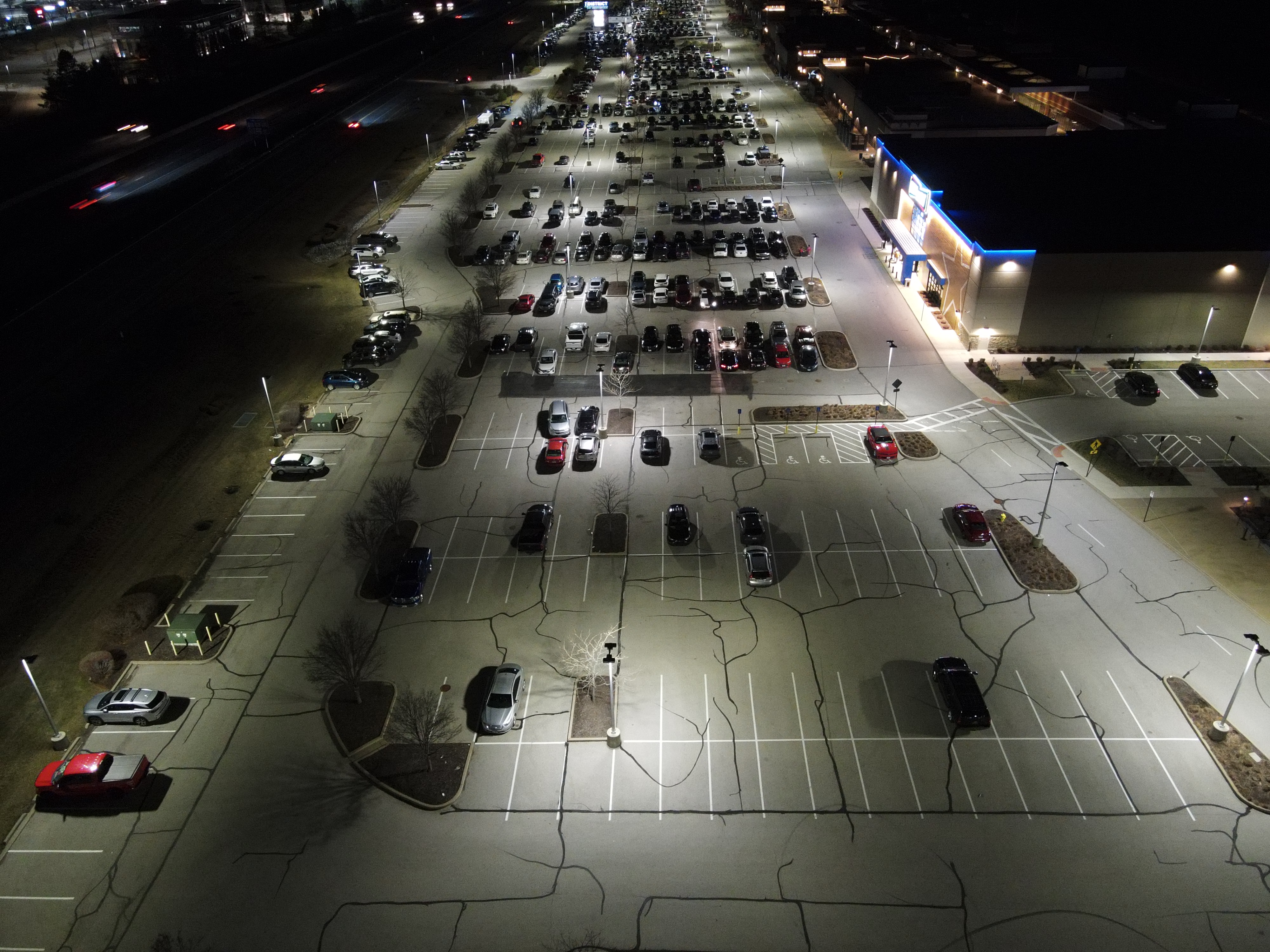
- Flying FPV drones at night requires special consideration. The FAA allows night operations under Part 107, but the drone must be equipped with anti-collision lights that are visible for at least three statute miles. Pilots should also be aware of the challenges of reduced visibility and the increased difficulty of depth perception when flying at night.
- Privacy and Ethical Considerations
- FPV drone pilots must respect privacy laws and ethical guidelines, especially when capturing video or photography in residential or sensitive areas. Infringing on personal privacy or capturing unauthorized footage can lead to legal consequences and damage a company’s reputation.
- Emergency Procedures
- Pilots must be prepared for potential emergencies, such as loss of signal, low battery, or unexpected weather changes. Establishing a predefined return-to-home (RTH) point and knowing how to initiate it quickly can prevent accidents. Regularly practicing emergency procedures ensures that pilots can respond calmly and effectively in real-world scenarios.

Best Practices for Safe FPV Drone Operations
- Pre-Flight Checklist: Before every flight, conduct a thorough pre-flight inspection of the drone, checking the battery levels, propellers, and camera equipment. Ensure that the firmware is up-to-date and that the drone’s GPS and compass are calibrated.
- Flight Planning: Plan your flight path carefully, considering obstacles, weather conditions, and the specific shots you need to capture. Use flight simulation software to practice complex maneuvers in a controlled environment.
- Communication: Maintain clear communication with your team, including the visual observer and any other crew members. Use radios or other reliable communication tools to ensure that everyone is aware of the flight plan and any changes that may arise.
- Insurance: Ensure that your FPV drone operations are covered by adequate insurance. This should include liability coverage for third-party damages and coverage for the drone and equipment in case of an accident.
St Louis Drone Services: Your Trusted Partner in Safe and Creative FPV Drone Operations
At St Louis Drone Services, we understand the importance of safety and compliance in drone operations. As a full-service professional commercial photography and video production company, we bring decades of experience, advanced equipment, and a creative crew that is committed to delivering exceptional results.
Our team is fully licensed, including FAA Part 107-certified drone pilots, and we are well-versed in all aspects of drone safety and regulations. Whether you need aerial footage for a corporate video, marketing campaign, or any other media requirement, we can customize our services to meet your specific needs.
We offer a range of services, from full-service studio and location video and photography to editing, post-production, and specialized indoor drone operations. Our private studio is ideal for small productions and interview scenes, equipped with top-notch lighting and visual setups. For larger productions, our studio can accommodate various props to enhance your set.
St Louis Drone Services has been a trusted partner for businesses, marketing firms, and agencies in the St. Louis area since 1982. We have the expertise to repurpose your photography and video branding to gain more traction across diverse media platforms. With our state-of-the-art equipment and comprehensive service offerings, we are ready to make your next video production perfect, from concept to completion.
Let us help you elevate your brand with stunning aerial visuals and expert production services. Contact us today to learn how we can collaborate on your next project and ensure it is both safe and successful.
 St Louis Drone Services