Incorporating drone shots into your video production can elevate your project by adding dramatic perspectives, dynamic motion, and cinematic appeal. However, successful drone shots require more than just a drone and a camera—they require thoughtful planning, expert coordination, and a clear vision of how these shots will contribute to your overall story. For businesses, marketing firms, and organizations looking to integrate drones into their video production, understanding how to effectively plan drone shots is crucial to achieving the desired outcome.
Here’s a guide to help you plan the perfect drone shots for your next video production:
1. Identify the Purpose of the Drone Shot
Before you even think about equipment or technical details, it’s important to identify what you want the drone shots to achieve. Ask yourself the following questions:
- What mood or emotion do I want to convey? A sweeping aerial view can create a sense of grandeur or serenity, while a dynamic, fast-moving shot can evoke excitement or urgency.
- What aspect of the scene or location should the drone highlight? Are you showcasing a vast landscape, a bustling city, or a close-up of a building or event? Drone shots are perfect for capturing the larger context and providing scale.
- How will the drone shot fit into the narrative? Consider how the drone shot will move the story forward. Is it an establishing shot to set the scene, an action shot to follow a subject, or a cutaway to provide visual variety?
Once you have a clear purpose for your drone shots, you can tailor your planning accordingly.
2. Choose the Right Locations for Drone Shots
Drone shots are especially effective in open spaces, but they can also be used creatively in more confined settings. When scouting locations for your video, think about:
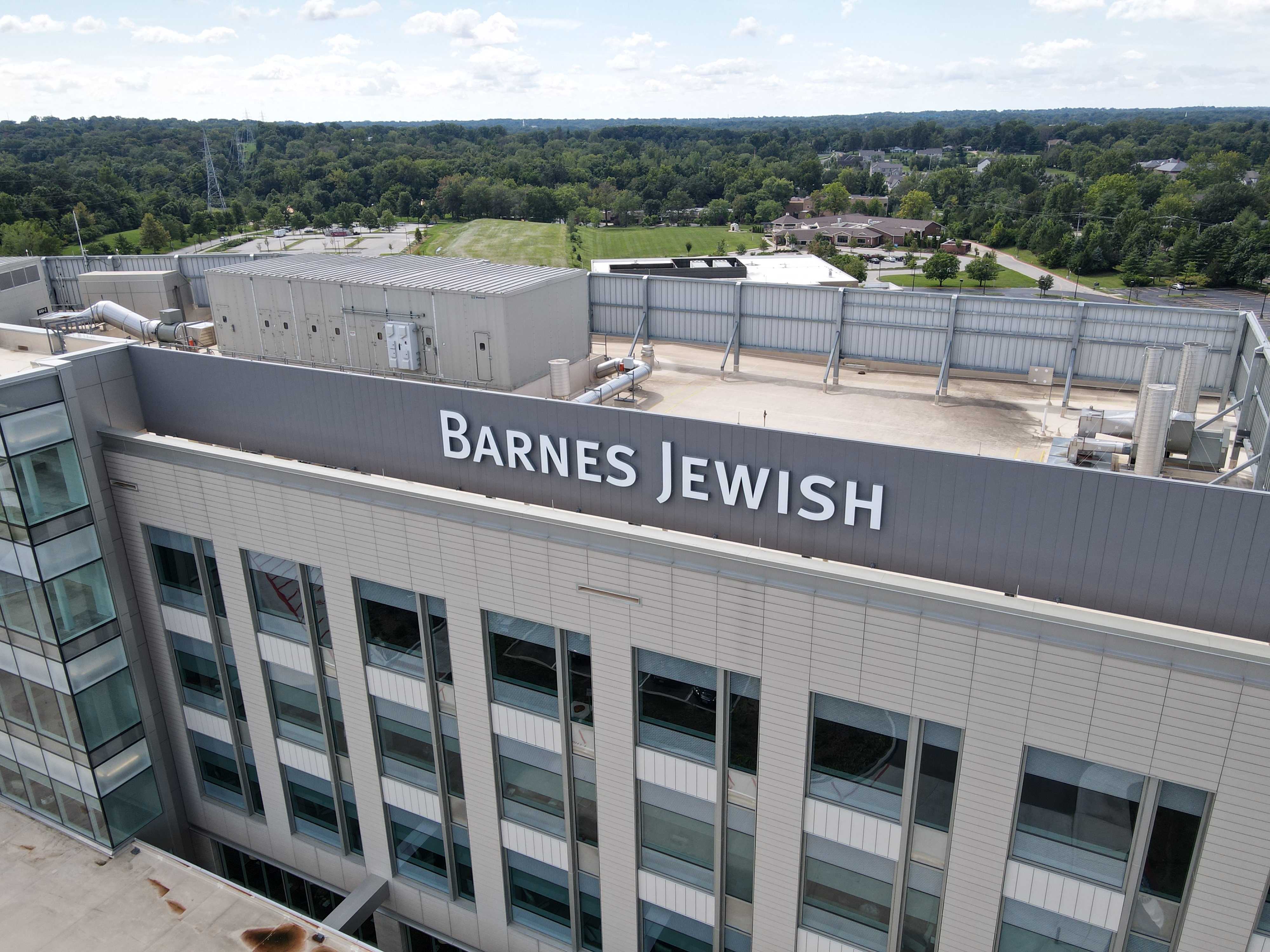
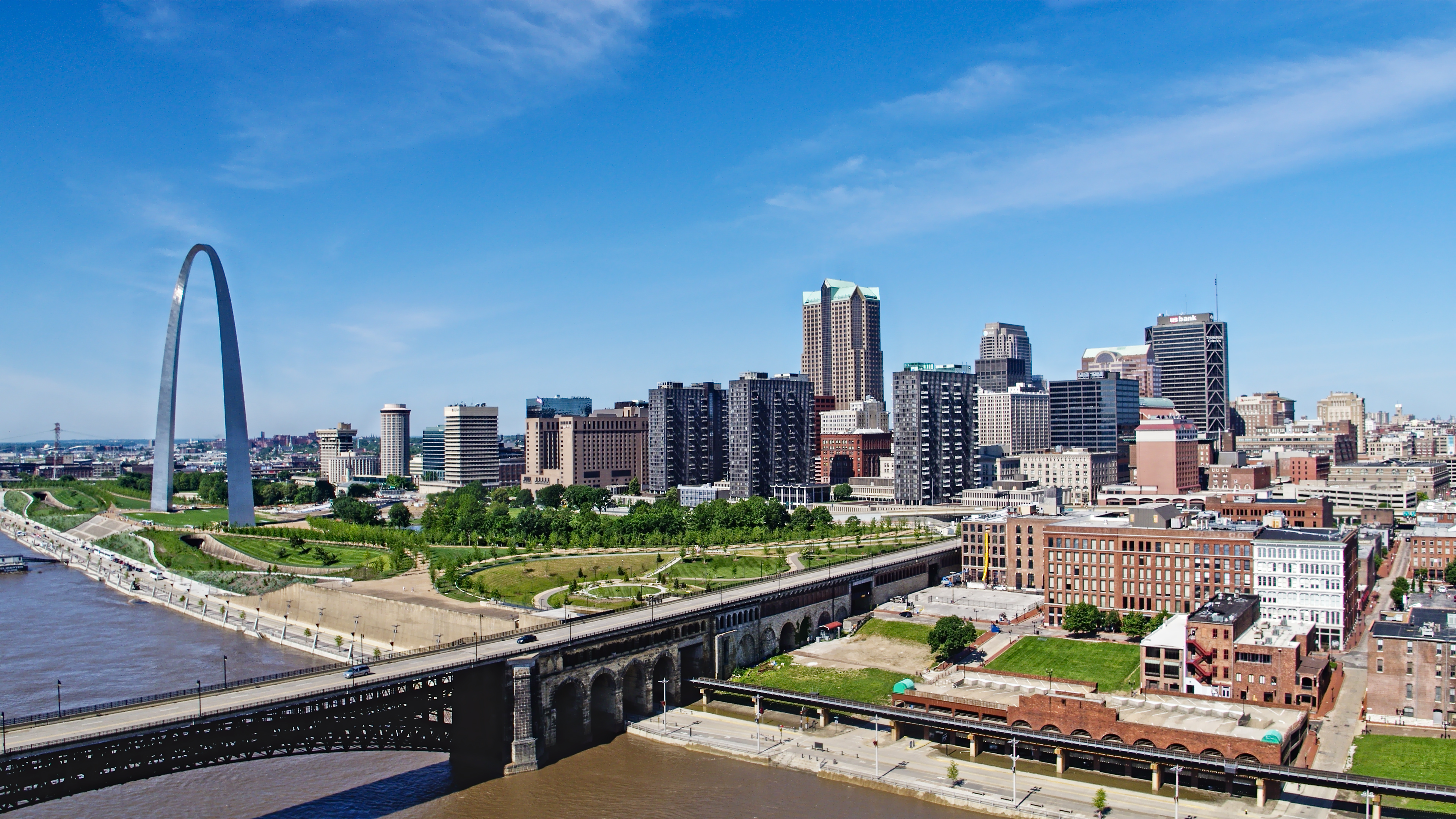
- Wide open spaces: Drone shots are ideal for capturing outdoor environments like parks, construction sites, industrial facilities, cityscapes, or even natural landscapes.
- Crowded or complex environments: Drones can also be used in busy or complex environments, such as office buildings, event spaces, or manufacturing facilities. However, you may need to consider specific logistics, such as obstacles or permission requirements.
- Indoor shooting: Specialized drones can be flown indoors to capture detailed shots in locations like studios, warehouses, or office spaces. These shots provide a unique perspective, especially in environments that traditional cameras may struggle to capture.
Proper location scouting is key to ensuring that your drone shots serve both the narrative and the visual aesthetic of the project.


3. Consider the Weather and Lighting Conditions
Drone shots are highly sensitive to weather and lighting, so planning these factors is essential to achieving optimal results:
- Weather conditions: Strong winds, rain, or low visibility can impede drone flight and affect shot quality. Ensure that you monitor weather forecasts in advance and plan your drone shots around the best conditions.
- Lighting: The best drone shots often take place during the golden hours—shortly after sunrise or just before sunset—when the light is soft and dramatic. However, depending on the look you’re aiming for, you may choose to shoot in other lighting conditions, such as bright midday sunlight or even during night shoots with artificial lighting.
4. Work with Experienced Pilots and Operators
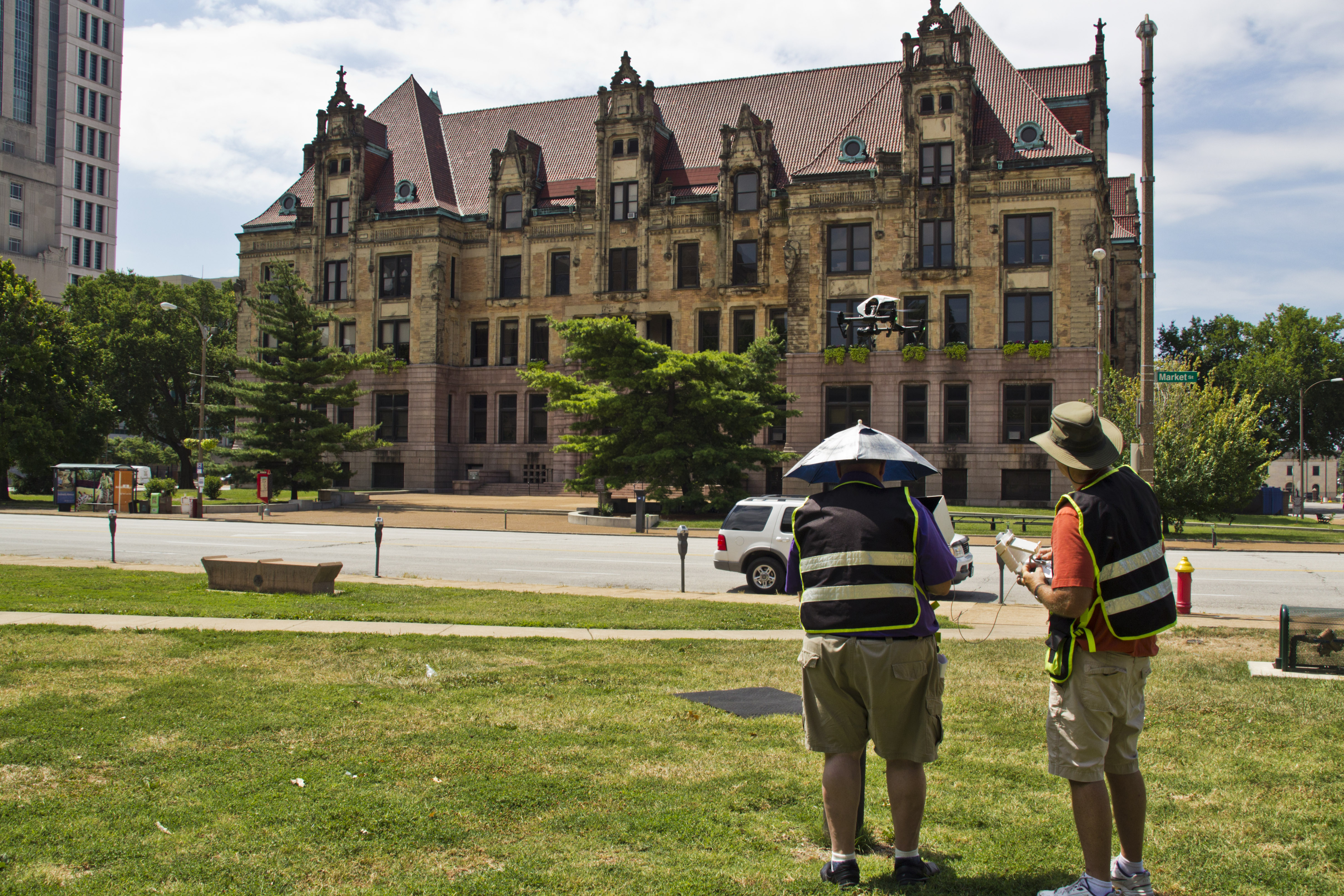
Flying drones isn’t as simple as pushing a button—it requires skill, precision, and coordination with other members of your production crew. This is where experienced drone operators and videographers come into play.
At St. Louis Drone Services, we have licensed drone pilots who are experts in navigating various environments, whether that means flying over a busy city, around tall buildings, or inside a tight space. The proficiency of your drone operator will directly affect the smoothness and safety of the shot, as well as its quality.
Ensure that your drone operators are experienced enough to handle the specific challenges of your shoot, and have them coordinate with other crew members to align with your overall production plan.
5. Create a Detailed Flight Plan
Drone flights should be carefully mapped out to avoid obstacles, ensure safe flying, and optimize shot quality. A detailed flight plan should include:
- Flight path: Plot the trajectory of the drone, including takeoff and landing points, direction of flight, altitude, and speed. This ensures that the drone stays within the designated area and avoids obstacles.
- Shot list: Create a list of specific shots you want the drone to capture, including angles, elevations, and transitions. This ensures that all key moments are covered and that your team stays on track.
- Timing: Plan how long each drone shot will take, factoring in time for adjustments, repositioning, and retakes. If you have multiple drone shots planned, make sure there’s ample time for each segment of the shoot.
6. Understand the Legal and Safety Requirements
Drone operations are subject to specific regulations and laws, particularly when flying in urban areas or around private property. Ensure that you are familiar with the necessary permits, airspace restrictions, and any other legal considerations before your shoot.
In many cases, you’ll need to obtain permission to fly in certain areas or locations. It’s also important to prioritize safety and communicate with your team to ensure that everyone is aware of potential hazards.
7. Incorporate Drone Shots into the Post-Production Process
Once you’ve captured your drone shots, it’s important to integrate them seamlessly into your final video. Drone shots often require post-production work, such as stabilizing footage, color correction, and sound editing.
At St. Louis Drone Services, we offer full-service editing and post-production services, ensuring that your drone footage is polished and ready to make an impact. Whether you need a smooth aerial transition, seamless integration with other camera angles, or visual effects, our expert editing team will help bring your drone shots to life.
St. Louis Drone Services: Your Trusted Partner for Expert Drone Photography and Video Production
At St. Louis Drone Services, we are experts in planning and executing drone shots that will elevate your video production to new heights. Our full-service team is equipped with the right tools and experience to help you achieve your vision. From studio and location video to editing, post-production, and licensed drone pilots, we offer everything you need for a successful production.
We specialize in customizing your production to meet diverse media requirements, ensuring that your videos stand out and leave a lasting impression. Our extensive experience with all types of media and software ensures that we deliver high-quality, optimized footage that is perfect for your digital platforms.
With our private studio setup, sound and camera operators, and ability to fly specialized drones indoors, we’re equipped to handle every aspect of your production—from interviews to dynamic aerial shots. Since 1982, St. Louis Drone Services has been a trusted partner for businesses, marketing firms, and agencies in the St. Louis area, offering top-notch photography and video services that create lasting results.
Let us help you plan and execute the perfect drone shots for your next video production. Contact St. Louis Drone Services today to learn more about how our team can bring your creative vision to life.
 St Louis Drone Services