Interview Video Production: Best Practices and Strategies
As a top company for interview video production, we’ve got strategies and best practices to guarantee amazing productions for our customers. Here’s some of our best practices and strategies:
Pre-production planning: We cooperate with our clients to make sure their expectations are met with the video and that it fits their objectives. We concentrate on the message, tone, and method that’ll be best suited for the target audience.
High-quality equipment: We use professional equipment to make sure the production is the best. This includes top-notch cameras, lighting, and sound stuff.
Location Scouting: Choosing the right spot is an important part of interview video production. We look for places that are visually pleasing, have good lighting, and are quiet enough for quality sound.
Skilled Production Team: We have a crew of skilled professionals who work together for a successful production. This involves experienced cameramen, sound technicians, and video editors.
Post-production Editing: In post-production, we use the latest software and technology to make sure the video is smooth, perfect, and of high quality before we give it to the client.
Whether you need a corporate interview, documentary, or testimonial video, our production team has the knowledge and experience to produce excellent results.
Pre-Production Process
Pre-production for a video production project needs lots of activities. Planning and organization are key. Things like researching, forming a team, scheduling interviews, and making storyboards and scripts, must be done.
Let’s explore these steps and how they make the production process easier.
Conducting Research and Preparing the Storyboard
Research and create a storyboard before filming an interview video. It’s important to get info on the subject’s background. A storyboard will help structure the video and decide content. Here’re some tips for a successful pre-production process:
- Who’s the target audience?
- Create compelling key messages.
- What’s the ideal length?
- Collaborate with the subject and follow their guidelines.
Pre-production is necessary for a successful interview video. Ensure the message is clear and effective.
Script Writing and Content Planning
Script writing and content planning are must-dos for pre-production. They make sure your interview video looks professional and is engaging. Here’s how:
Determine your purpose. Who’s the audience? What’s the message?
Develop the script. Intro, questions, conclusion – all in the script.
Plan your visuals. B-roll, images – put them in.
Rehearse and revise. Check the script flows and communicates the message.
Pre-production planning is key for a successful interview video. Follow these tips for your best results.
Preparing the Equipment and Choosing the Right Set
For great interview video production, there are important pre-production steps. Here’s how to get started:
Prepare equipment. Make sure cameras, mics, lighting, and batteries are working and all charged up. Test it beforehand, to avoid any problems.
Choose your set. Find a quiet spot that looks nice and is fitting for an interview. Consider the acoustics and lighting. Have enough space for the gear and crew.
Figure out framing and composition. Depending on the number of participants, choose single or multiple cameras. Figure out the angles for framing and composition.
Proper pre-production planning makes a huge difference. You’ll have more time to focus on the best questions to engage viewers.


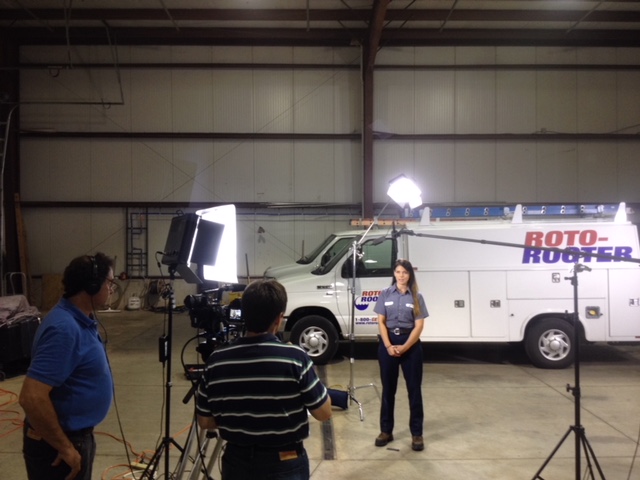


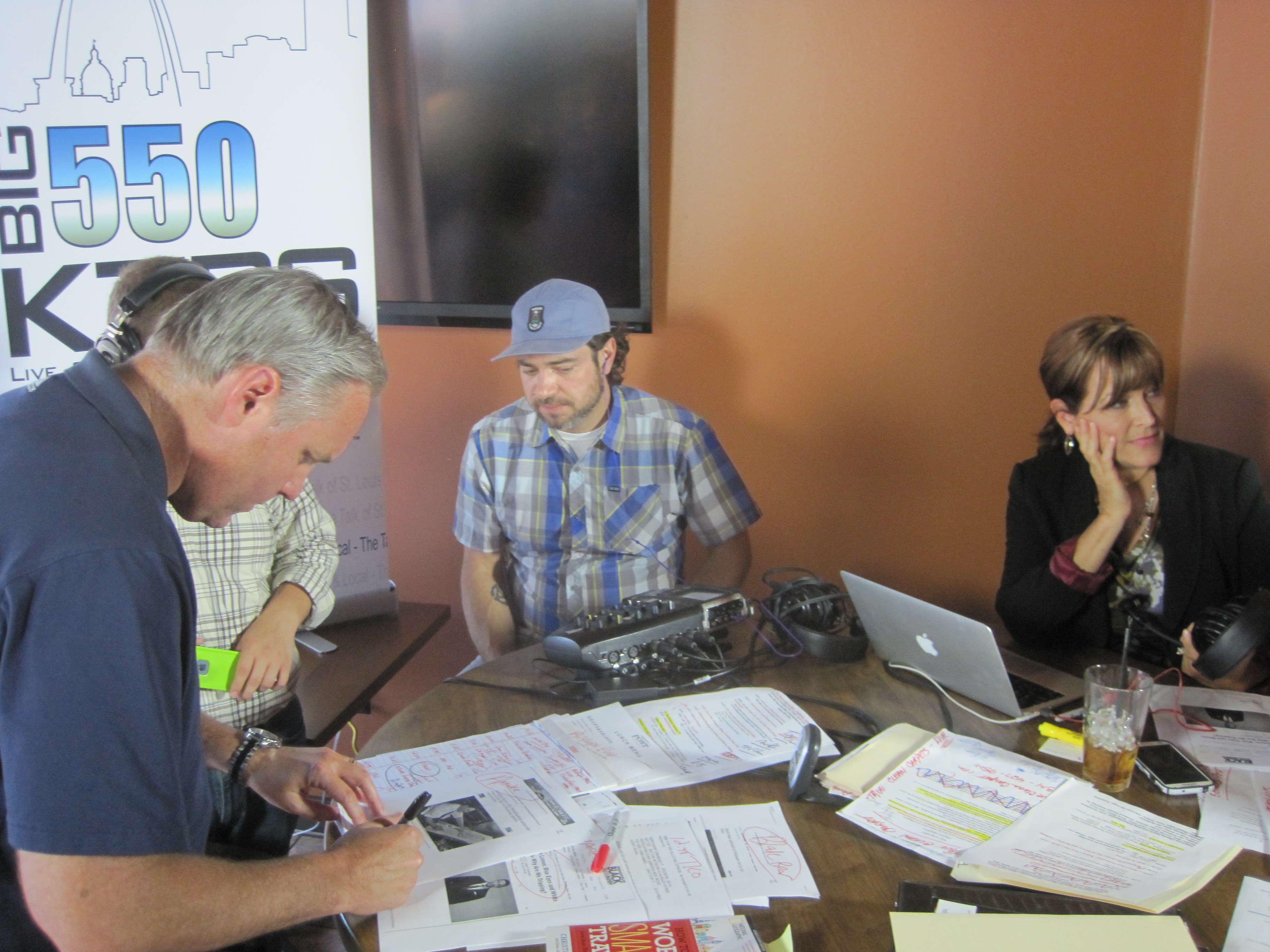
The Production Process
Our production firm is all about giving you stunning interview videos. We start by getting familiar with our customers and what their story is.
To craft a great video, we use research, storyboard visuals, scouting for scenes and a fast production process.
We make stories come alive!
Setting up the Camera and the Video Lighting
Creating a high-quality interview video starts with setting up the camera and video lighting. Here’s how to do it right:
Camera setup:
– Pick the right camera.
– Put the camera at eye level or slightly above.
– Use a tripod to keep it steady.
– Ensure the subject is centered in the shot.
Lighting setup:
– Employ three-point lighting: key, fill, and backlight.
– Put the key light off to one side of the subject.
– Use the fill light to reduce shadows.
– Place the backlight behind the subject for a halo effect.
By using these tips, your interview video will look amazing!
Time to Roll: Capturing Your Best Footage
For compelling interview video production, capturing your best footage is a must. Here are some tips to make sure you get professional and high-quality results:
1. Plan ahead. Set objectives and goals for the interview. Know what message you want to convey and who the target audience is.
2. Get the right equipment. Invest in cameras, mics, and lighting that will give you clear and audible footage.
3. Pick a good setting. Make sure it’s quiet, visually pleasing, and free of distractions.
4. Prepare your subject. Give them info about the interview and the questions you’ll be asking to help them feel relaxed and ready.
5. Capture different angles. Use multiple cameras for more dynamic and appealing footage.
By following these tips, you can create interviews that are both entertaining and informative, and show your subject in the best light.
Audio Recording and Sound Design
Audio recording & sound design are essential for any interview video project. They can improve the quality and effect of the content. Here are some tips to keep in mind:
Use high-quality mics to capture clear & precise sound. Common choices are lavalier mics attached to clothing & boom mics held out of the frame.
Make use of natural or artificial lighting to set the tone.
Use sound design techniques such as music, effects & EQ adjustments to enhance the video’s impact.
Monitor the sound levels & adjust as needed to avoid distortion.
By following these tips, professionals can make sure their interview videos are engaging, impactful & provide the desired effect.
Post-Production Process
Post-production is the next step after creating a video interview. It’s all about editing the video for a polished, professional look. You can use music and visual effects for an even better viewing experience.
Here’s how to make the most of post-production: break it down into different stages and get creative.
Video Editing and Post-Production: Tips and tricks
Need some pro tips for video editing and post-production? Here’s a few to consider:
1. Sort your clips. Before you start editing, take a few minutes to label and organize your footage.
2. Cut on motion. To create a smooth transition between clips, cut when the motion starts or ends.
3. Audio matters too. Use sound editing tools like EQ and noise reduction to make your audio perfect.
4. Color correct. Color correction can make your video look more professional.
Our video production company offers expert advice on post-production and interview videos. Get in touch today.
Working on the Audio Post-production
Audio post-production is a must for creating a top-notch video. We at [company name] can help! Here are the steps:
1. Import audio file into a DAW like ProTools or Audition.
2. Edit the audio – noise removal, pauses, glitches.
3. Use compression, equalization and other audio processing tools.
4. Mix audio with video footage – balancing audio levels for clarity.
5. Add special effects and music – creating desired atmosphere.
Get high-quality audio post-production services with us. Contact us now!
Color Correction and Grading: Add the Final Touches
Color correction and grading are must-dos for any interview video production. They give the video a professional feel. Color correction means adjusting the exposure, colors and contrast. Grading is where creativity comes in; it’s about enhancing the colors to create a certain mood.
To get the best result:
1. Import the footage into a pro video editing software.
2. Adjust the contrast, exposure and color balance to make it look natural.
3. Use grading tools to give the video a mood or aesthetic.
4. Add the finishing touches.
Don’t forget: To make sure the color correction and grading process is easy and effective, the shot needs to be well-lit and composed during filming.
How to Conduct an Engaging Interview
Video interviews can really bring your audience closer. But, to make the most of them, you should know how to do them well.
Here are some tips, tricks and techniques for awesome interview videos!
Research the Subject and Prepare the Questions
Researching and prepping for questions is key for an interesting interview, especially for a video production. Here are some tips to get ready:
1. Learn more about the interviewee and topic.
2. Set up open-ended questions that encourage thoughtful answers.
3. Put the questions in a logical order to cover all relevant points.
4. Practice your questions to know the flow and time.
5. Be open to follow-up questions and new insights for authentic responses.
By researching and preparing, you will have a better chance of making an informative interview that truly captures the interviewee and their message.

Create a Comfortable Environment
To get great results from an interview, it’s key to make the interviewee feel comfortable. Here are some ideas to help:
Choose a place with no distractions. A studio, conference room, or quiet coffee shop corner can work. Don’t pick busy public areas – they can be too loud.
Offer the interviewee a snack or drink & chat with them first – this sets up a friendly feeling.
Explain the interview format, the questions, and invite questions from the interviewee. This helps them feel ready and confident.
Let the interviewee take breaks, and leave pauses during the interview. This allows them to stay comfortable, which makes for a more productive interview.
Start the Conversation: Tips and Tricks
Kicking off the conversation is essential to have a great interview. Here are some tips and tricks to help you out:
Do research on your interviewee. Ask questions that will get an interesting dialogue going.
Introduce yourself and make your interviewee feel at ease with some small talk.
Explain the purpose of the interview, the topics, and how long it’ll take.
Listen attentively and ask follow-up questions.
At the end, summarize the key points and thank them for their time.
Follow these tips and you’ll have an interview that will impress your audience!
Best Tools and Equipment for Producing Interview Videos
When making interview videos, the right tools and equipment are key for a pro outcome. Cameras, editing programs and lighting are some of the things you’ll need. It’s beneficial to know which items are best for the job.
In this article, we’ll talk about the best tools and equipment to make a pro-level interview video.
Cameras and Accessories for Great Interviews Videos
Need to make great interview videos? Here’s what you’ll need:
Camera: Get a DSLR or Mirrorless camera that can shoot in 4K resolution.
Microphone: Invest in an external microphone for clear audio. Lapel or shotgun mics are best for interviews.
Tripod: Keep the camera stable and maintain the same framing with a sturdy tripod.
Lighting: Softbox lights provide even and diffused lighting – ideal for a professional-looking interview.
Power and Storage: Carry extra batteries and memory cards.
Pro tip: Test your equipment and practice your setup before the interview.
Video Editing Software and Online Tools
For amazing interview videos, get the right tools! Here are some of the best video editing software and online tools:
Adobe Premiere Pro – Professional-grade video editing with advanced features such as multicam editing, color grading, and audio editing.
Final Cut Pro X – Perfect for Mac users to make high-quality interview videos.
Zoom – Record your interviews live with this online video conferencing tool.
Loom – Easily create and share screen recordings and video messages with interviewees.
These tools will help you create engaging, informative, and professional interview videos!
Audio and Sound Accessories for Clear Audio
When it comes to interview videos, great audio is key. Get these must-have tools:
1. Shotgun Microphone. Captures sound from one direction and cancels background noise.
2. Windscreen. Prevents wind noise and popping sounds.
3. Boom Arm. Attaches to stand for easy mic placement.
4. Headphones. Monitor audio levels and detect issues during filming.
5. Audio Recorder. Necessary for quality sound when shooting on location.
Invest in these audio accessories for clear, pro-level audio. It’ll make all the difference in the viewing experience.
Successfully Promoting and Sharing your Interview Videos
Interview video production is booming! It’s a great way to share your story and promote your business. For the best results, a high-quality interview video is a must.
Here, we’ll look at different ways to get the most out of your video. Let’s get started!
Creating a Video Marketing Plan
For an effective promotion and sharing of your interview videos, a video marketing plan is essential. Here are some steps to get you going:
1. Figure out who you’re targeting and make your videos fit their interests and needs.
2. Set objectives and measurable goals to track your progress.
3. Beforehand, plan your video content, write scripts and make storyboards for uniformity.
4. Choose the best platforms to reach your target audience and share your videos regularly.
5. To grab attention, use exciting thumbnails and titles.
6. Join the conversation with your audience through comments and social media. Build a community around your videos.
7. Evaluate the performance of your videos and tweak your strategies for better visibility and engagement.
Pro Tip: For higher search results, use SEO techniques to refine your video descriptions and titles.
Social Media Marketing for Video Content
Social media has become an effective tool for sharing video content, like interviews. Here are some tips to make the most of your production:
Choose the right platforms – each platform has its own audience and format. Think about who you are targeting and create content that suits them. E.g. LinkedIn for professional interviews & Instagram for visuals.
Optimize the video – make sure it’s high-quality and engaging. Utilize captions, graphics, and sound effects. Also, optimize it for the platform’s requirements, such as aspect ratio & length.
Promote it – share your interview across channels and engage with followers. Use hashtags, collaborate with influencers, and incentivize shares & likes.
Pro tip: Invest in social media advertising to grow your reach & audience.
Utilizing SEO for Better Search rankings of Video Content
Boost your video content’s search rankings by utilizing SEO techniques! Here are some top tips to promote and share your interview videos:
1. Include relevant keywords in the video title and description.
2. Utilize relevant tags and categories for search engines.
3. Include transcription or closed captions for search rankings & accessibility.
4. Embed your video on your site and share it on social media.
By following these tactics, you can optimize and promote your interview videos, leading to better search rankings, engagement, and conversions. Give us a call, we’re specialists in video interview productions.
stlouisdroneservices@gmail.com
 St Louis Drone Services