Tag Archives: St. Louis video production

How to Plan Your Drone Shots for a Stronger Marketing Story

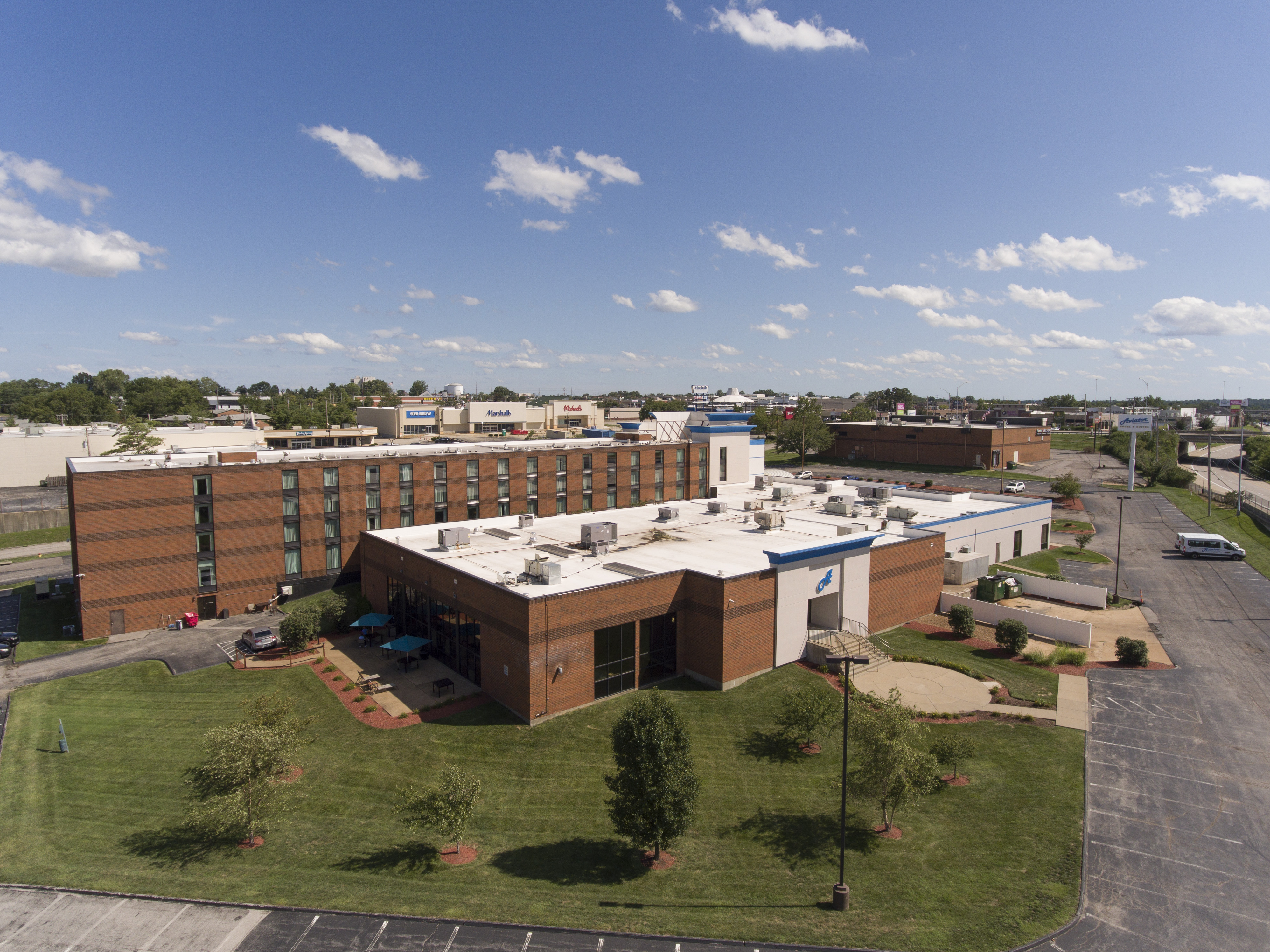
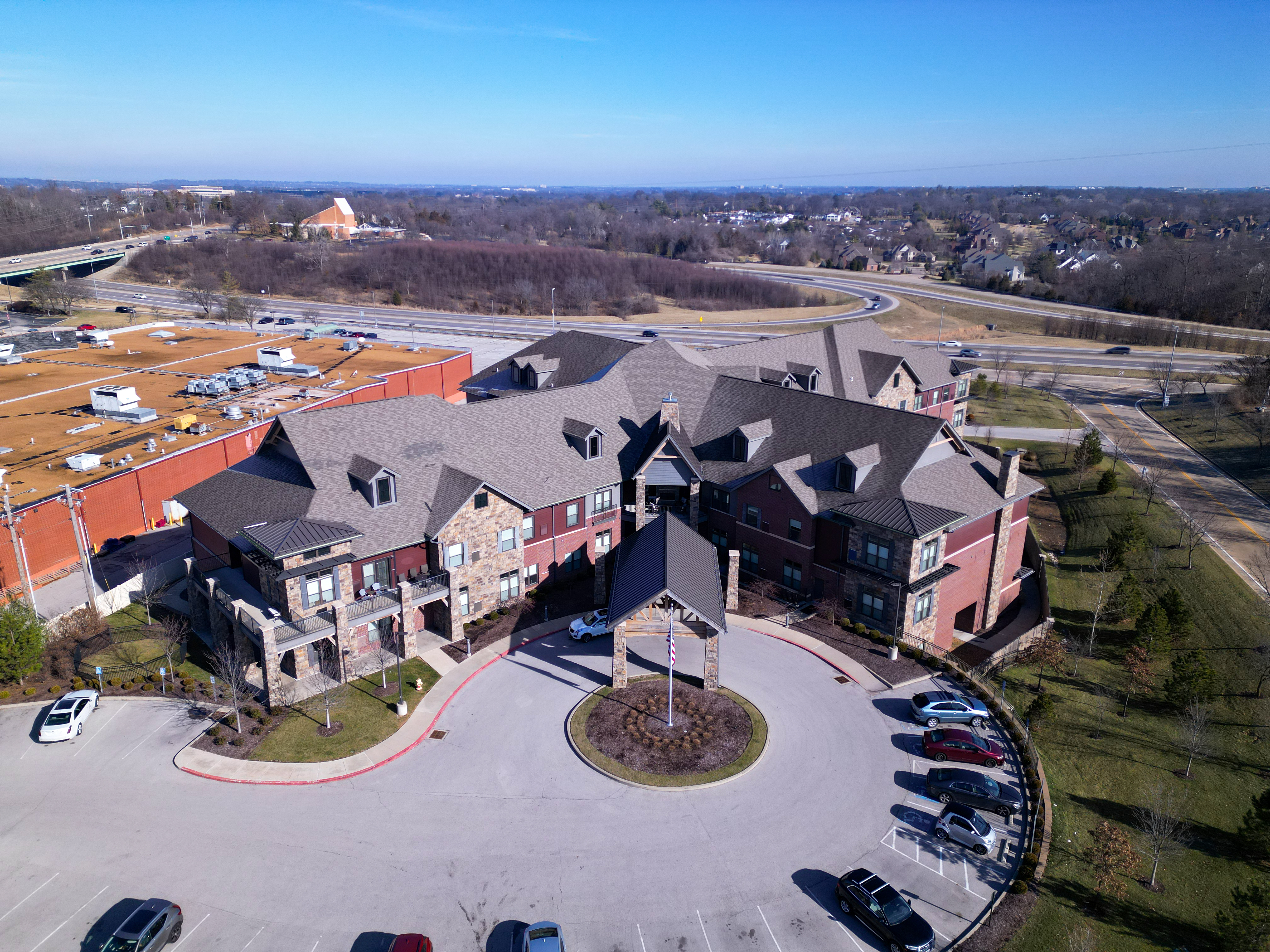
In an era when visual content determines audience engagement, storytelling through video must be more than just beautiful—it must be intentional. Drone footage has become a powerful tool in marketing, allowing businesses to add cinematic flair, showcase scale, and highlight unique perspectives. But like any visual asset, drone shots only truly shine when planned with strategy and narrative in mind.

At St Louis Drone Services, we don’t just fly drones—we help tell your brand story from above with purpose. Here’s how to effectively plan drone shots that enhance your next marketing campaign and leave a lasting impression.


1. Start with the Story, Not the Shot

Before thinking about flight paths or aerial angles, anchor your production with a strong message. Ask:

  • What are we trying to communicate?
  • What mood or emotion should the viewer feel?
  • How does the aerial perspective support or elevate the message?

For example, if you’re promoting a logistics company, you may want drone shots that communicate speed, coordination, and scale—such as smooth tracking over a fleet in motion or a wide reveal of a bustling shipping yard.


2. Location Scouting: Think Vertically and Spatially

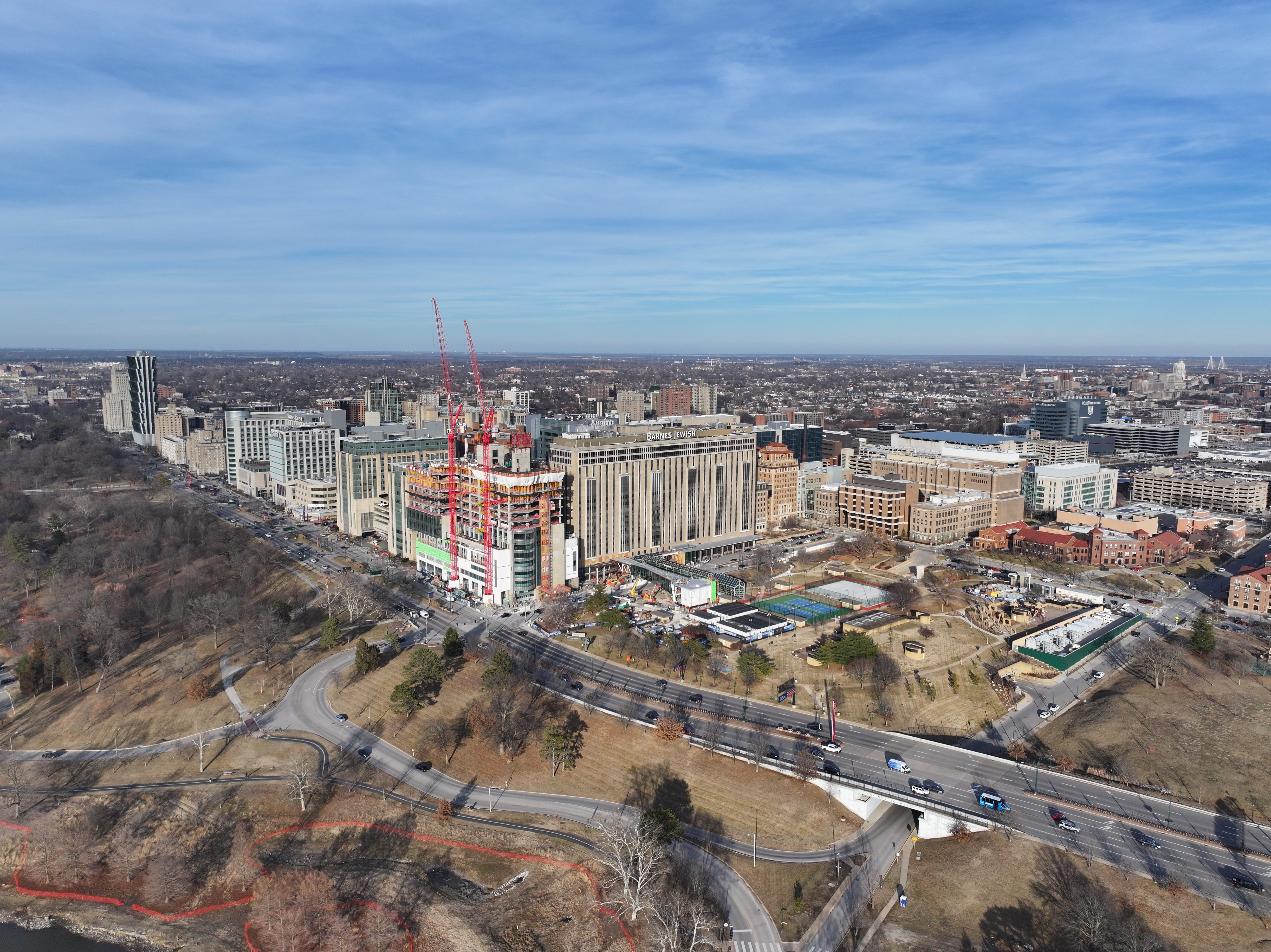
Traditional location scouting is essential—but with drone productions, you must also consider airspace, obstructions, elevation, and regulations. Identify the most compelling visual elements and ensure they’re drone-accessible.
We recommend:

  • Conducting a pre-flight aerial assessment using maps or previous drone imagery
  • Considering sunrise/sunset for dramatic lighting
  • Reviewing FAA guidelines for the area (especially around restricted zones)

3. Map Out the Flight Plan to Match the Script

Treat drone footage as an integrated visual asset—not just a filler. If your marketing video has a script or narrative arc, align drone movement with key beats.

Example flight plan:

  • Opening shot: A reveal of your facility with a rising vertical movement to establish context
  • Middle sequence: Lateral tracking over operations to show workflow or human engagement
  • Final shot: A pull-away aerial to leave a sense of scale or progress

With professional crews like ours, we storyboard your drone sequences alongside the rest of the production plan for seamless integration.
4. Choose the Right Movement for the Mood

Drone maneuvers communicate mood just like music and pacing. Fast or aggressive flight may create excitement or urgency; slow, smooth glides convey trust and stability. Use this to your advantage.

Tips:

  • Orbiting shots can convey unity or innovation
  • Crane-style vertical rises are great for product reveals or dramatic intros
  • Tracking movement can enhance narrative flow or direct viewer attention

5. Balance Wide Aerials with Intimate Moments

While drone shots are naturally expansive, you don’t want them to feel disconnected from your ground-level story. Use them to transition between scenes, highlight scale, or contrast with close-up details.

Pro tip: Mix indoor drone fly-throughs with ground-level footage to keep viewers engaged and fully immersed in your brand environment.


6. Don’t Forget Post-Production Planning

Great drone content depends just as much on how it’s captured as how it’s cut, colored, and contextualized. Know your target platforms—horizontal for YouTube, vertical for Instagram Reels, square for LinkedIn. Planning with editing in mind ensures your shots are framed correctly and usable across campaigns.

At St Louis Drone Services, we tailor all drone footage for multi-platform flexibility and consistent brand integration.


Why Choose St Louis Drone Services?

At St Louis Drone Services, we bring decades of commercial video production experience together with the most advanced drone technology available today. Since 1982, we’ve worked with businesses, marketing firms, and creative agencies across the St. Louis region to deliver powerful aerial imagery that tells a story.

We offer:

  • Licensed and insured drone pilots trained in outdoor and indoor aerial capture
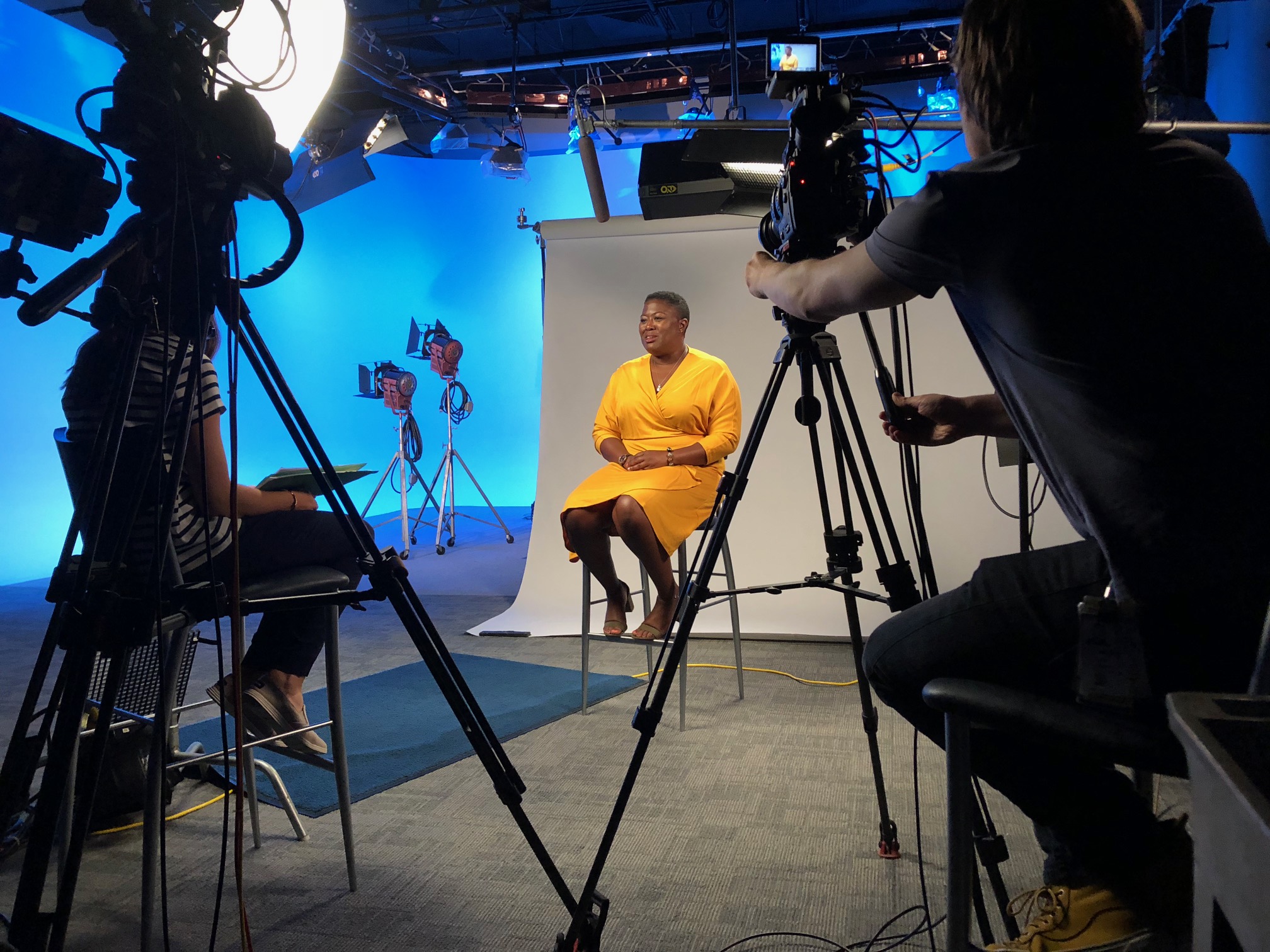
  • Custom studio setups for interview-driven or mixed-format content
  • Full-service editing, post-production, and AI-enhanced workflow for fast, high-quality results
  • Creative crew support including producers, camera ops, and location scouts
  • Expert repurposing strategies to stretch your investment across digital, broadcast, and social campaigns
  • In-depth experience with all major file formats and production styles

We even fly our specialized drones indoors, making your warehouse, showroom, or facility tour possible in a single, cinematic sequence.

No matter your industry—real estate, manufacturing, logistics, healthcare, or tourism—St Louis Drone Services has the tools, talent, and track record to help you plan and execute drone footage that delivers results.

Let’s fly with purpose. Let’s tell your story from above.

314-604-6544

stlouisdroneservices@gmail.com

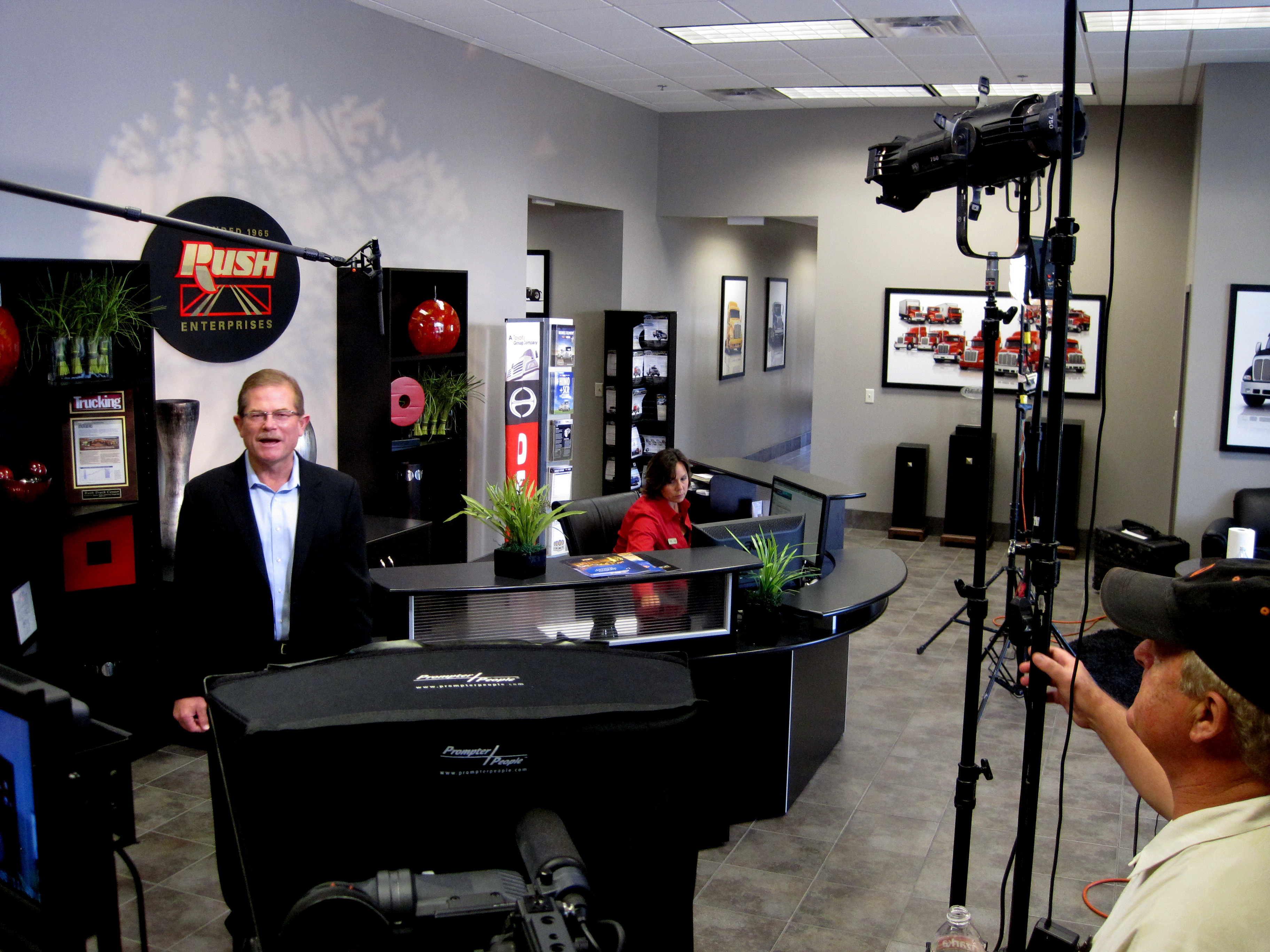
Teleprompter Techniques: How to Ensure a Smooth Delivery

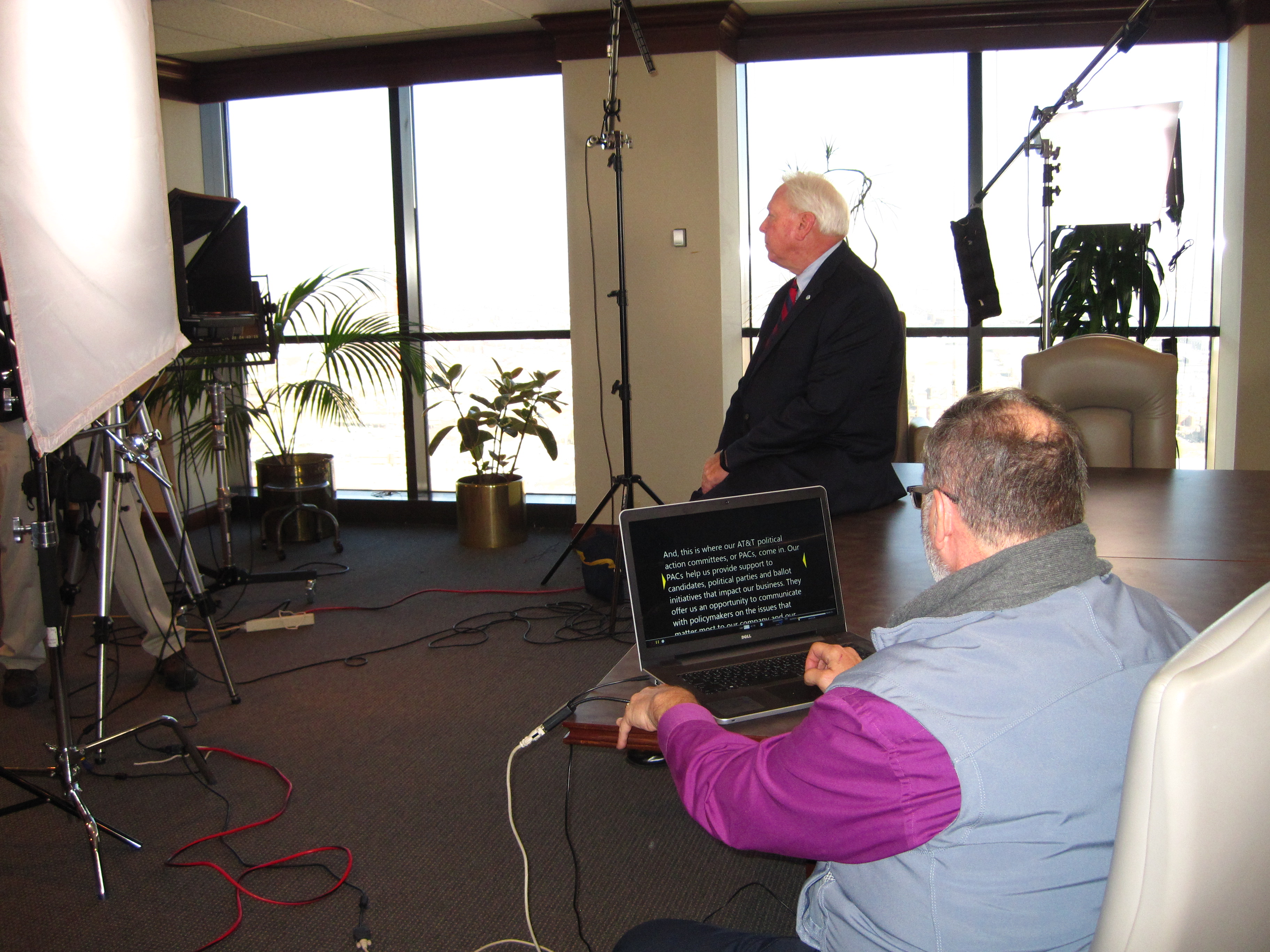
Public speaking is an art form that requires not only confidence and charisma but also impeccable delivery. When it comes to delivering speeches, presentations, or video content, many professionals turn to teleprompters to assist them in delivering their message effectively. A teleprompter is a valuable tool that displays the script or prompts in front of the speaker, allowing them to maintain eye contact with the audience while delivering a smooth and engaging performance.

In this article, we will delve into the world of teleprompters and explore techniques to ensure a seamless delivery. Whether you are a seasoned public speaker or new to the stage, mastering these techniques will enhance your ability to connect with your audience and deliver your message with impact.


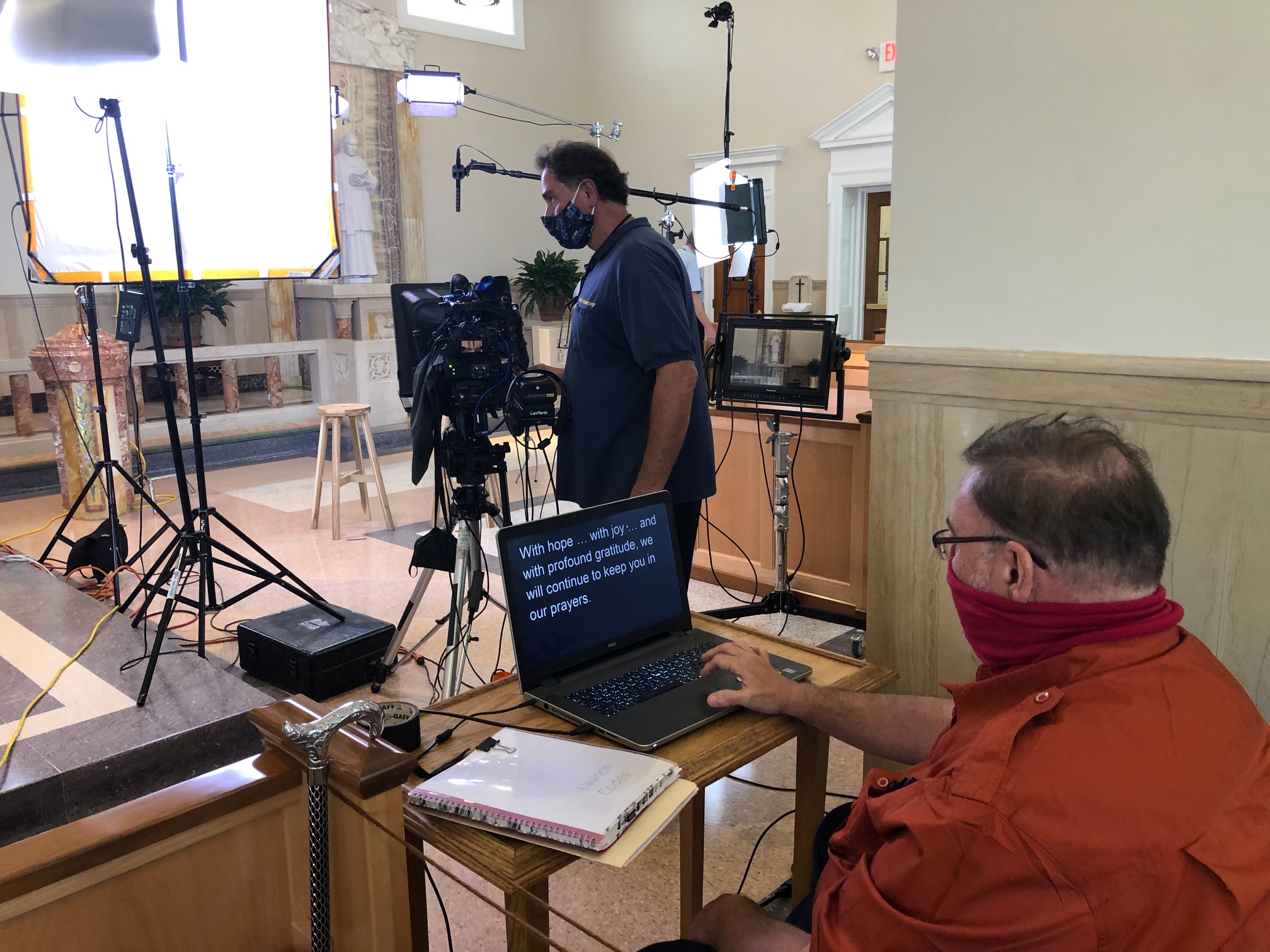
We specialize in teleprompter learning and coaching services. Our video production specialists are dedicated to helping individuals enhance their teleprompter skills and deliver impactful speeches and video production presentations.

Understanding the Teleprompter

A teleprompter is a device that displays a script or prompts on a screen, placed in front of the speaker, enabling them to read the content while maintaining eye contact with the audience. It consists of three essential components:

  1. Glass or Reflective Screen: The teleprompter features a glass or reflective screen positioned at an angle that reflects the text displayed on the monitor below it, creating an illusion that the speaker is looking directly at the camera or audience.
  2. Monitor: The monitor serves as the display unit where the text is electronically scrolled at a controlled speed. It can be connected to a computer or a dedicated teleprompter software for easy content management.
  3. Support System: The teleprompter is mounted on a support system, such as a tripod or teleprompter stand, to ensure stability and adjustability for the speaker’s comfort.

Preparing Your Teleprompter Script

To maximize the effectiveness of the teleprompter, proper script preparation is crucial. Here are some key considerations when creating your teleprompter script:

1. Use a Conversational Tone

Write your script in a conversational tone that matches your speaking style. Avoid complex sentences and jargon that may hinder the flow of your delivery. Break down your content into concise, easily digestible sections.

2. Highlight Keywords and Pauses

Identify the keywords or phrases you want to emphasize in your delivery. Use formatting techniques such as bold or italics to highlight these important elements. Additionally, mark pauses in your script to allow for natural breathing and pacing during your speech.

3. Adjust Font Size and Formatting

Ensure that the font size and formatting of your script are easily readable on the teleprompter monitor. Experiment with different font styles and sizes to find the optimal settings that suit your reading comfort.

4. Divide the Text into Digestible Segments

Break down your script into manageable segments that fit within the teleprompter’s screen size. Dividing your text into smaller sections helps maintain focus and prevents overwhelming scrolling.

5. Practice, Practice, Practice

Familiarize yourself with the script through extensive practice sessions. Read it aloud multiple times to establish a natural flow and become comfortable with the pacing and rhythm of your delivery.


Mastering Teleprompter Delivery

Once you have prepared your script, it’s time to master the art of teleprompter delivery. Follow these techniques to ensure a smooth and engaging performance:

1. Eye Contact and Body Language

Maintain eye contact with the audience or camera by looking directly at the teleprompter glass or reflective screen. Avoid constantly shifting your gaze between the script and the audience, as it can appear distracting. In addition, pay attention to your body language, maintaining an open and relaxed posture that exudes confidence and professionalism.

2. Control the Teleprompter Speed

Adjust the teleprompter speed to match your speaking pace. Aim for a speed that allows you to comfortably read the text while maintaining a natural cadence. Practice controlling the scrolling speed beforehand to ensure a seamless transition between segments.

3. Utilize Natural Pauses and Inflection

As you deliver your speech, make use of natural pauses and inflection to add emphasis and maintain audience engagement. Pausing at appropriate moments not only allows the audience to absorb the information but also adds a sense of anticipation and impact to your delivery. Vary your tone and inflection to convey emotions and maintain a dynamic presentation.

4. Maintain a Steady Speaking Rhythm

Maintaining a steady rhythm in your speech helps you maintain clarity and coherence. Pay attention to your breathing and pace yourself accordingly. Avoid rushing through the script or speaking too slowly, as it can affect the overall flow and impact of your delivery.

5. Practice Gesture Coordination

While reading from a teleprompter, it’s important to coordinate your gestures with the content. Use gestures to enhance your message and emphasize key points. Practice incorporating natural hand movements that complement your speech without distracting from the teleprompter.

6. Be Mindful of Pronunciation and Articulation

Clear pronunciation and articulation are essential for effective communication. Enunciate your words carefully and ensure that your speech is easily understandable. Pay attention to any challenging words or phrases in your script and practice pronouncing them correctly to avoid stumbling during your delivery.

7. Seek Professional Feedback

To refine your teleprompter delivery skills, seek feedback from experienced professionals or coaches. They can provide valuable insights and help you identify areas for improvement. Take their feedback into account and implement it in your practice sessions.


Mastering teleprompter techniques is a valuable skill for any public speaker or video content creator.

By understanding the fundamentals of using a teleprompter and practicing the delivery techniques outlined in this article, you can ensure a smooth and engaging performance that resonates with your audience.

At St Louis Drone Services, we specialize in teleprompter learning and coaching services. Our video production specialists are dedicated to helping individuals enhance their teleprompter skills and deliver impactful speeches and video production presentations. Whether you are new to teleprompters or looking to refine your existing skills, our services can provide you with the guidance and support you need to succeed.

Contact us today to learn more about our teleprompter learning and coaching services and take your speaking abilities to new heights.


Note: This article is written by a video production specialist and drone pilot Rob Haller. We offer teleprompter learning and coaching services to enhance your speaking skills.