Tag Archives: Orthomosaic drone

Economical Drone Video in St. Louis: How to Get Cinematic Results Without Cinematic Budgets

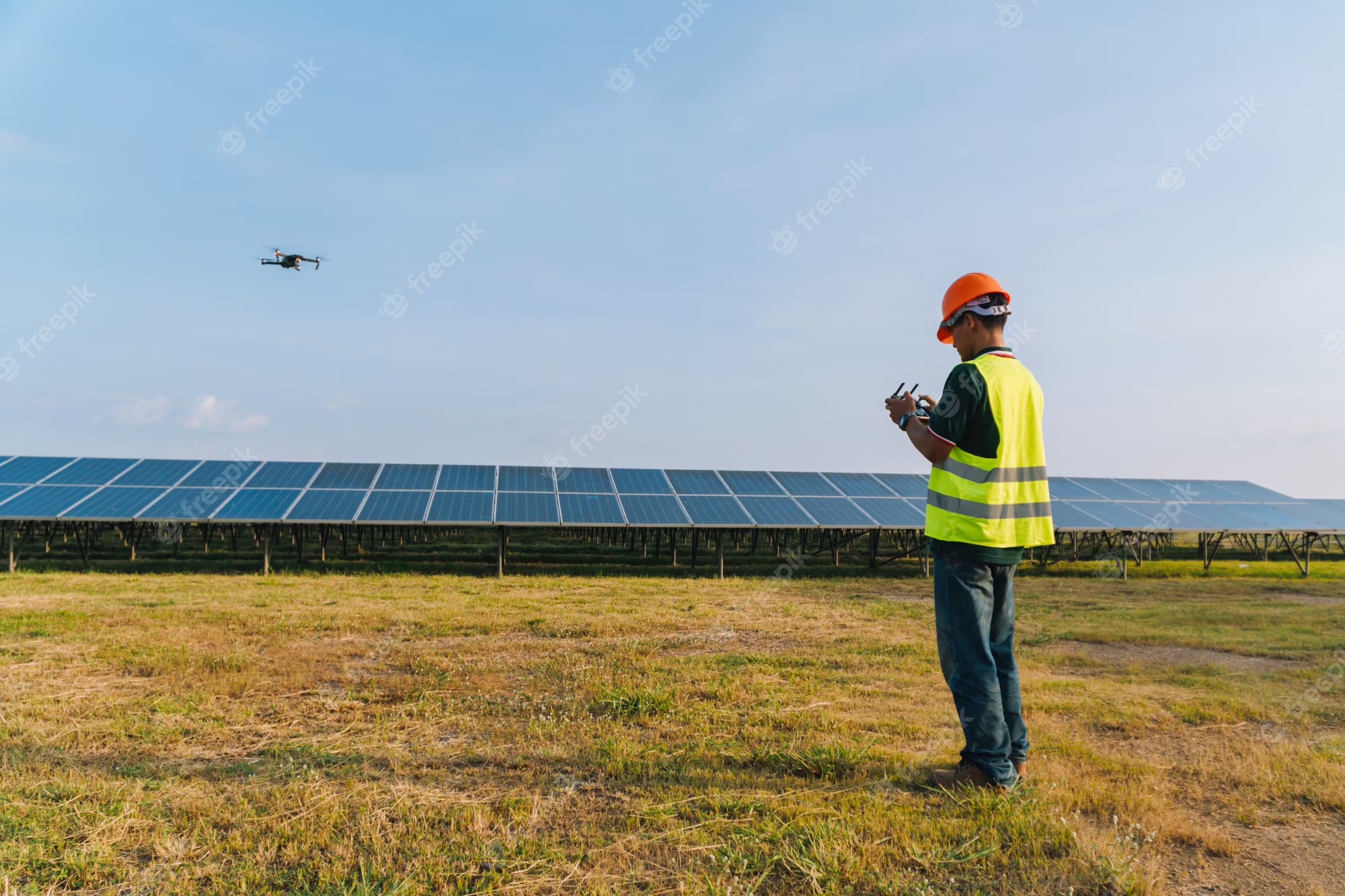
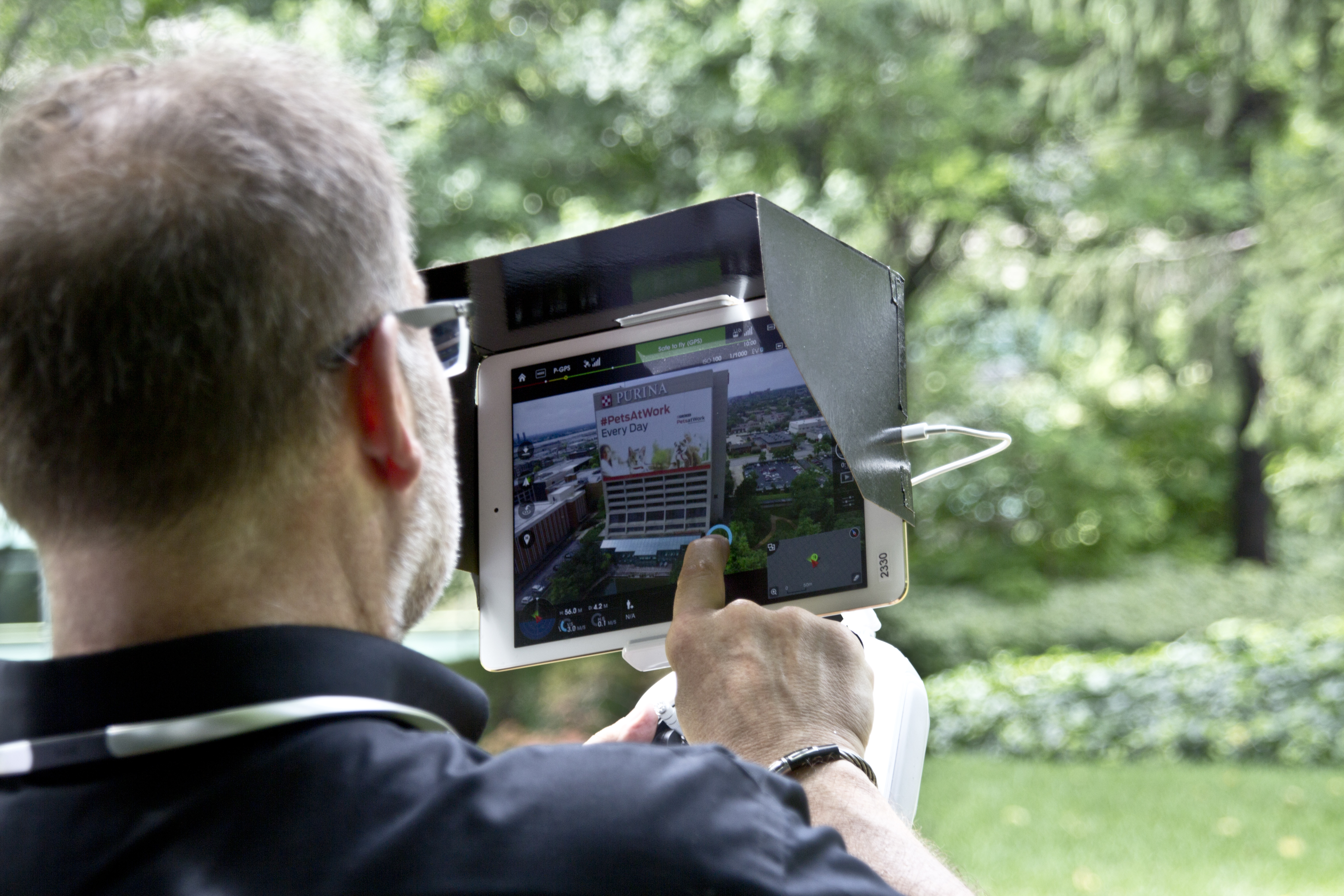
Drone video used to be a “nice-to-have” line item—something you’d add when there was extra room in the budget. That era is over. Today, aerial content is one of the most efficient ways to communicate scale, context, and credibility in seconds. The real question isn’t whether your organization should use drone video—it’s how to use it economically, safely, and strategically so it produces measurable marketing value.

This guide is written for decision makers who need high-impact visuals, predictable costs, and deliverables that integrate cleanly into campaigns, websites, internal communications, and sales enablement.


Why drone video is one of the most cost-effective “production upgrades”

When budgets tighten, teams often reduce production scope: fewer locations, shorter shoot days, less crew, less gear. Drone video can do the opposite—it can increase perceived production value while reducing time spent “manufacturing” scale with traditional camera setups.

Here’s what drone content replaces or improves economically:

  • Eliminates expensive access solutions in many cases (boom lifts, cranes, specialty rigs) for establishing shots.
  • Compresses storytelling time by showing location, facility scale, or site logistics instantly.
  • Generates multiple assets per flight (hero video, social cutdowns, still frames, backgrounds for graphics, web headers, campaign openers).
  • Adds credibility to operational claims: footprint, safety culture, process complexity, capacity, modernization, or community impact.

If you’ve ever watched a team burn two hours getting one “good establishing shot” from the ground, you already understand the economics.


What “economical” drone video actually means

“Economical” is not synonymous with “cheap.” Cheap drone video is what happens when someone shows up with a consumer drone, flies a few random passes, and hands you shaky clips that don’t match brand standards, color, cadence, or usage needs.

Economical drone video means:

  1. Clear deliverables (what you’ll receive and how it will be used).
  2. Efficient planning (minimal surprises, controlled variables).
  3. Right-sized crew and gear (no overbuild, no underbuild).
  4. High keeper rate (more usable shots per hour).
  5. Repurposable outputs (assets built for multiple channels and formats).

That’s the difference between “we shot drone” and “we produced aerial media.”


The highest-ROI use cases for St. Louis businesses and organizations

Some drone shoots are “cool.” The following are consistently useful, which is what makes them economical.

1) Facilities and campuses: scale, access, and trust

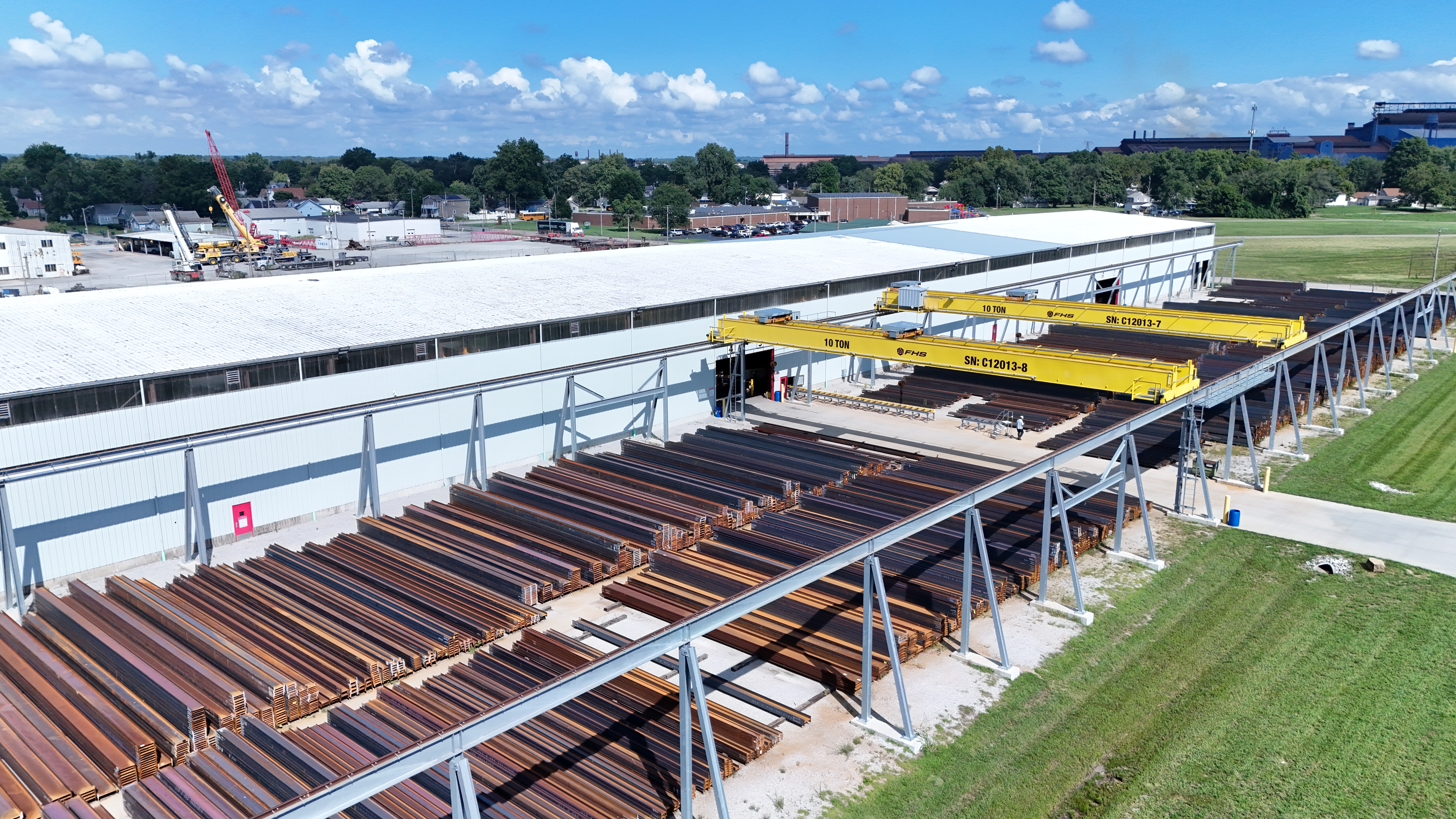
For manufacturers, logistics, healthcare networks, universities, and corporate campuses, drone video provides instant context. It shows:

  • operational footprint
  • proximity to highways/rail/river infrastructure
  • facility modernization
  • security, access points, and flow

A single 10–15 second sequence can replace paragraphs of marketing copy.

2) Construction, development, and real estate: progress and proof

Drone video is ideal for:

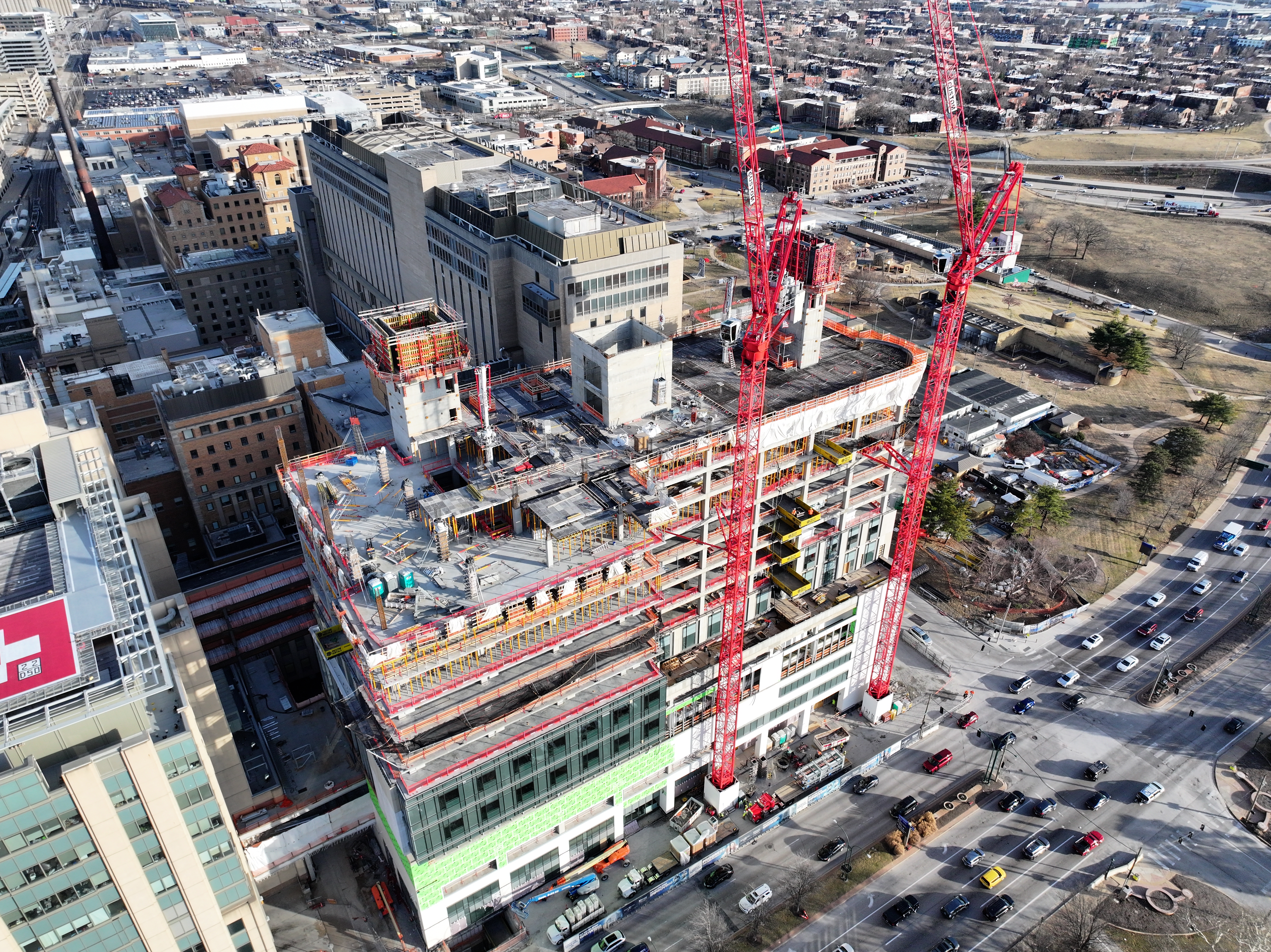
  • progress documentation
  • investor / stakeholder updates
  • leasing and sales support
  • before/after storytelling

Economical tip: plan recurring capture (monthly/quarterly) with consistent framing so edits become faster and comparisons become more dramatic.

3) Events and community impact: “big energy” in small windows

Outdoor activations, festivals, grand openings, and community initiatives benefit from aerial coverage because it communicates turnout and scale immediately.

Economical tip: schedule drone flights around the moments that actually matter—arrivals, peak attendance, keynote moments, sunset “hero pass”—rather than keeping the drone up continuously.

4) Industrial and infrastructure visuals: clarity without complexity

For utilities, civil engineering, industrial services, and inspection-adjacent marketing, drone footage provides practical visuals of:

  • site conditions
  • access routes
  • project scope
  • safety processes

The content can support marketing, recruiting, internal training, and proposals.


How to control costs without sacrificing quality

Here are the levers that reliably reduce cost while keeping outcomes premium.
Build a shot plan that matches business goals

A “shot list” isn’t just creative preference—it’s cost control. When you define what the video must accomplish, you reduce wasted flight time and eliminate the “maybe we should also get…” spiral.

Practical approach:

  • 3–5 hero shots (home page, brand film opener, campaign lead)
  • 6–10 supporting shots (process, context, movement, transitions)
  • 10–20 utility clips (social, reels, thumbnails, backgrounds)

Combine drone and ground in one cohesive plan

The most economical projects are designed as integrated productions, not “drone add-ons.” When drone and ground teams coordinate framing, direction of motion, and lighting continuity, edits become faster and more polished.

This also prevents a common problem: aerial footage that looks great but doesn’t cut well with your interviews, b-roll, or brand film pacing.

Keep flights efficient with smart scheduling

Drone video quality is often decided before the first battery is inserted.

  • Scout the location (even briefly) for obstacles, RF interference, and the best launch points.
  • Plan around sun position and shadows.
  • Identify times when the site looks “alive” (people, vehicles, operations) versus empty.

Efficiency is not rushing—it’s removing uncertainty.

Capture multiple deliverables intentionally

Economical drone video becomes extremely economical when you plan for reuse:

  • one hero sequence captured in multiple speeds/angles
  • safe versions for corporate and public audiences
  • vertical compositions for social
  • still frames for web, print, thumbnails

You don’t want to “discover” during edit that your best shot can’t be cropped for vertical without losing the subject.


The most common mistakes that quietly waste budget

If you want cost control, avoid these:

  1. No defined usage: if no one knows where the video will live, you’ll overshoot and under-deliver.
  2. Flying without a story: random passes lead to random edits.
  3. Ignoring continuity: direction changes, inconsistent altitude, mismatched speed = more time in post.
  4. Over-reliance on “one epic shot”: you need sequences, not just highlights.
  5. Underestimating post-production: the edit is where drone footage becomes marketing footage.

Economical doesn’t mean generic: building a recognizable visual identity

Decision makers increasingly want video that looks like their brand, not a compilation of drone clichés. The most effective approach is to define a repeatable aerial “look”:

  • consistent altitude ranges (e.g., low-level cinematic passes + mid-altitude reveals)
  • consistent camera movement vocabulary (push, orbit, tracking, rise-and-reveal)
  • consistent pacing (shot length and transitions)
  • consistent color pipeline (matching your existing photo/video brand assets)

When your drone content is stylistically consistent, it becomes a reusable system—not a one-off expense.


Indoor drone flights and tight spaces: when it’s the right tool

Indoor drone work can be a game changer for certain spaces—warehouses, large interiors, production floors, event setups—when safety and planning are prioritized. Indoor flight is not a novelty; it’s a specialized capability that can create dynamic coverage where ground rigs are limited.

The key is treating indoor drone capture like any other professional set: controlled environment, clear flight path design, and a plan that keeps people and operations safe.
The bottom line: aerial content is an efficiency tool when produced professionally

Drone video is economical when it’s:

  • planned to solve specific communication problems
  • captured with a high keeper rate
  • edited for multiple channels and formats
  • delivered in the file types and codecs your team actually needs
  • integrated into a broader marketing media strategy

That’s how you avoid the “we have drone clips but don’t know what to do with them” outcome.


Why St Louis Drone Services is the right production partner

As a full-service video and photography production corporation since 1982, St Louis Drone Services brings decades of real-world production experience—not just drone operation—to every project. We’re a full-service professional commercial photography and video production company with the right equipment and creative crew service experience for successful image acquisition.

We offer full-service studio and location video and photography, plus editing and post-production, and our team includes licensed drone professionals. St Louis Drone Services can customize productions for diverse media requirements, and repurposing your photography and video branding to gain more traction is one of our specialties.
We’re well-versed in all file types, media styles, and the accompanying software needed to deliver clean, usable assets for marketing teams, agencies, and in-house communications. We also use the latest in Artificial Intelligence across our media services—speeding workflows, improving consistency, and expanding what’s possible without expanding your budget.

Our private studio lighting and visual setup is ideal for small productions and interview scenes, and our studio is large enough to incorporate props to round out your set. We support every aspect of your production—from setting up a private, custom interview studio to supplying professional sound and camera operators, as well as providing the right equipment—ensuring your next video production is seamless and successful.

And when the job calls for it, we can fly our specialized drones indoors—giving you dynamic coverage in spaces where traditional rigs are limited.

If you want economical drone video in St. Louis that’s designed to perform across platforms—and produced with the same discipline as high-end commercial work—St Louis Drone Services is built for that.
314-604-6544

stlouisdroneservices@gmail.com

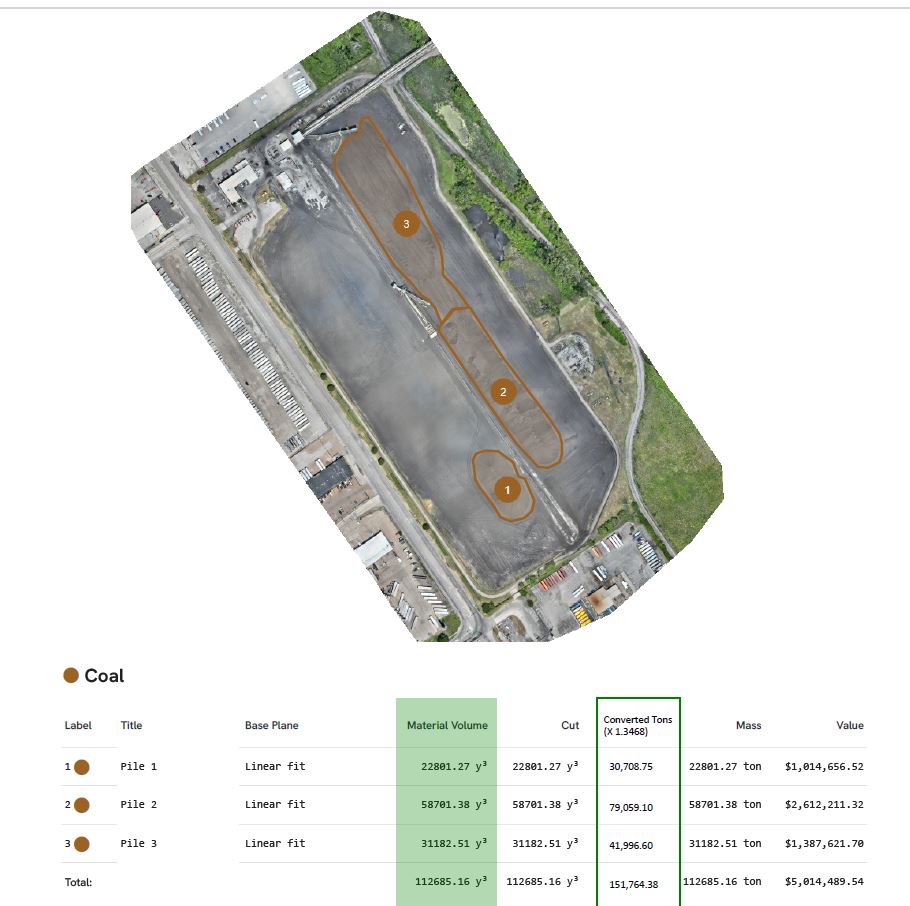
LiDAR Drones are Redefining Accuracy in Stockpile Reporting

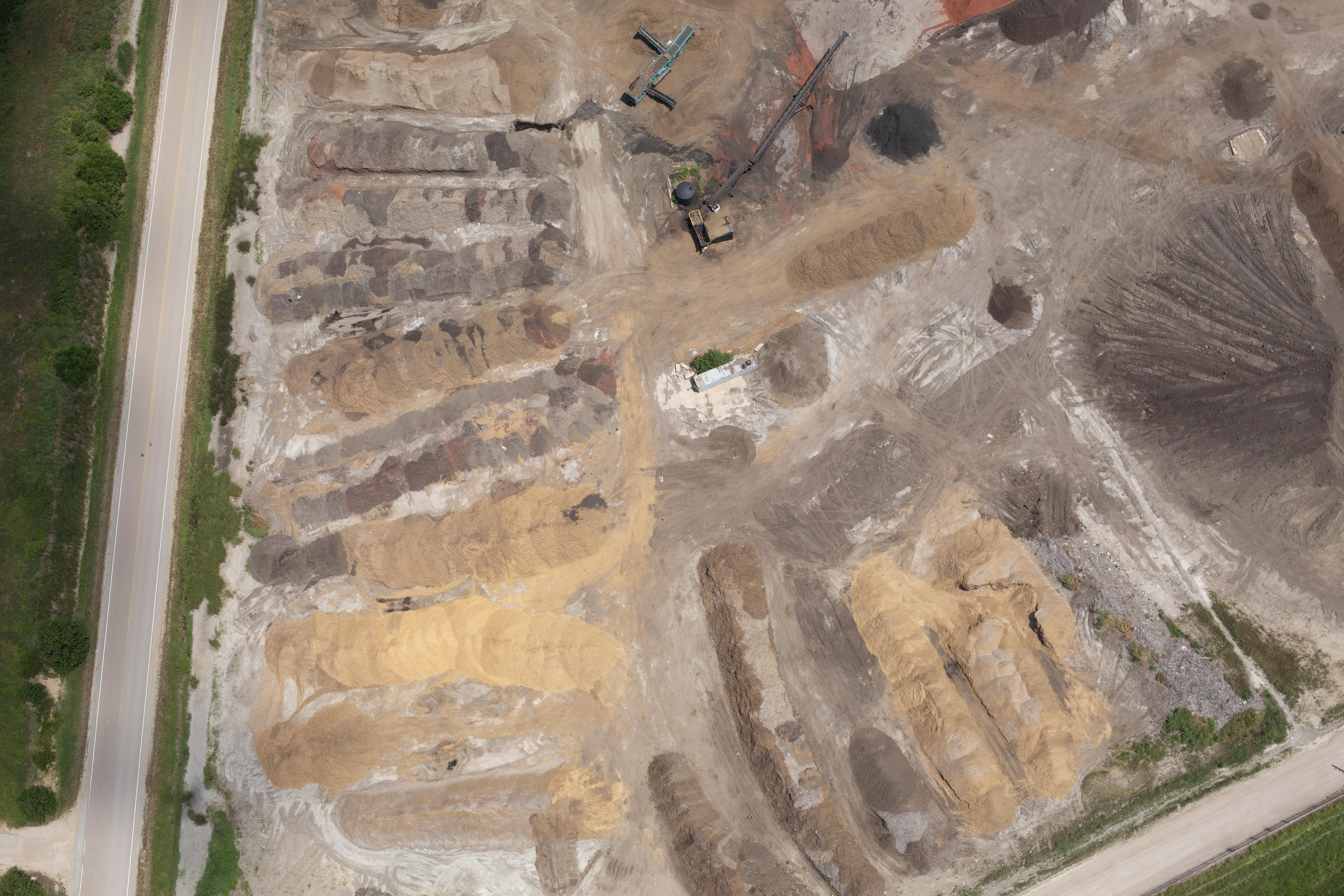
If your organization tracks bulk materials—aggregate, coal, salt, scrap, mulch, grain, or recycled product—your stockpile numbers aren’t just “operations data.” They’re financial data. They affect inventory valuation, purchasing, production schedules, customer commitments, and (in many cases) audit readiness.

The challenge is that stockpiles are a moving target. They change daily, they’re rarely tidy shapes, and the environments around them—conveyors, berms, walls, dust, shadows, traffic—make measurement difficult.

That’s exactly why LiDAR drones have become the measurement tool of choice for many sites that need accuracy and repeatability. This article explains what LiDAR is, why it often outperforms image-based methods in real industrial conditions, how a professional LiDAR reporting workflow works end-to-end, and what decision makers should demand in deliverables.


Why Stockpile Measurement Fails in the Real World

Traditional approaches each have a weak point:

  • Loader bucket counts: Fast, but heavily assumption-driven and inconsistent across operators, material, moisture, and loading method.
  • Tape/rod/hand measurement: Slow, risky, and often too coarse for large or complex piles.
  • Occasional survey crew work: Accurate when done right—but expensive, disruptive, and hard to schedule at the pace inventory changes.
  • Photogrammetry (image-based 3D): Can be excellent, but can also struggle when surfaces are uniform, reflective, dusty, shadowed, or low-texture.

Stockpiles punish inconsistency. If you change method, change operators, or change assumptions month-to-month, your trend line becomes questionable—even if each individual measurement looks plausible.

For decision makers, the real goal is defensible consistency:

  • Can we reproduce this result?
  • Can we explain it to finance or leadership?
  • Can we audit the workflow?
  • Can we compare month-to-month without “method noise” drowning out real change?

What LiDAR Is (and Why It’s Different)

LiDAR (Light Detection and Ranging) measures distance using laser pulses. A LiDAR sensor emits pulses, measures the return time, and produces a dense 3D point cloud—a direct measurement of physical surfaces.

Instead of reconstructing surfaces from pixels (which depends on lighting and texture), LiDAR measures geometry.

For stockpile reporting, this matters because industrial yards are rarely “camera-friendly.” LiDAR is typically more resilient to:

  • Low-texture materials (dark coal, uniform sand, wet piles)
  • Harsh shadows from structures or high walls
  • Reflective or shimmering surfaces (certain aggregates/salt)
  • Busy backgrounds with equipment, rails, or clutter
  • Sites where the pile-to-ground boundary is hard to see in photos

LiDAR doesn’t eliminate the need for professional workflow, but it often reduces failure modes that cause re-flights, re-processing, and “we don’t trust the number” conversations.


Where LiDAR Drones Improve Accuracy Most

1) Better Surface Definition on Difficult Materials

Image-based modeling can struggle when a pile looks “flat” to a camera—uniform color, minimal texture, or poor contrast. LiDAR doesn’t need texture to measure.

2) Cleaner Separation Between Pile and Ground

A big source of volume error is the base surface. If the “ground” under a pile is guessed wrong, the volume is wrong—even if the top surface looks perfect.

LiDAR workflows can produce more reliable terrain and pile models, especially when paired with solid georeferencing.

3) More Repeatable Results Month-to-Month

Accuracy isn’t only about closeness to “truth” today. It’s about whether your method produces stable, comparable results across seasons, crews, and site conditions.

Repeatability is where LiDAR often shines—because it depends less on lighting and imagery conditions that fluctuate across time.


What “Accurate” Actually Means: Precision, Verification, and Accountability

A key point many vendors avoid: accuracy depends on the whole system, not just the sensor.

A professional LiDAR stockpile program is built on:

  • Georeferencing (RTK/PPK and/or ground control)
  • Checkpoints (independent verification points)
  • Consistent boundary definitions
  • Consistent base surface methodology
  • Quality assurance documentation
  • Versioned deliverables (so “what number did we use last month?” is easy to answer)

If you want confidence from leadership and finance, demand a workflow that includes verification—not just a volume number.


The Professional LiDAR Stockpile Workflow (What You Should Expect)

Step 1: Define the Reporting Rules (Before the First Flight)

Agree on:

  • Which piles are in scope
  • How piles are named/identified
  • How boundaries are drawn (polygons, breaklines, site plan overlays)
  • What constitutes the base surface (pad model, terrain model, reference survey)
  • Units, rounding rules, and reporting cadence (weekly, monthly, quarterly)

This step prevents downstream disputes.

Step 2: Flight Planning That Reduces Occlusions

Industrial sites have shadows and blockages—conveyors, hoppers, walls, stacked materials. A LiDAR flight should be planned to minimize “blind spots” and maintain safe separation from operations.

Step 3: Capture with Positioning That Supports Accuracy

Depending on requirements, workflows may use:

  • RTK/PPK positioning
  • Ground control points (GCPs)
  • Checkpoints for accuracy verification

A serious provider will tell you what they used and why, and what error tolerance they expect.

Step 4: Processing Into Decision-Ready Models

Processing typically yields:

  • Classified point cloud (ground vs non-ground)
  • Digital terrain model (DTM) and digital surface model (DSM)
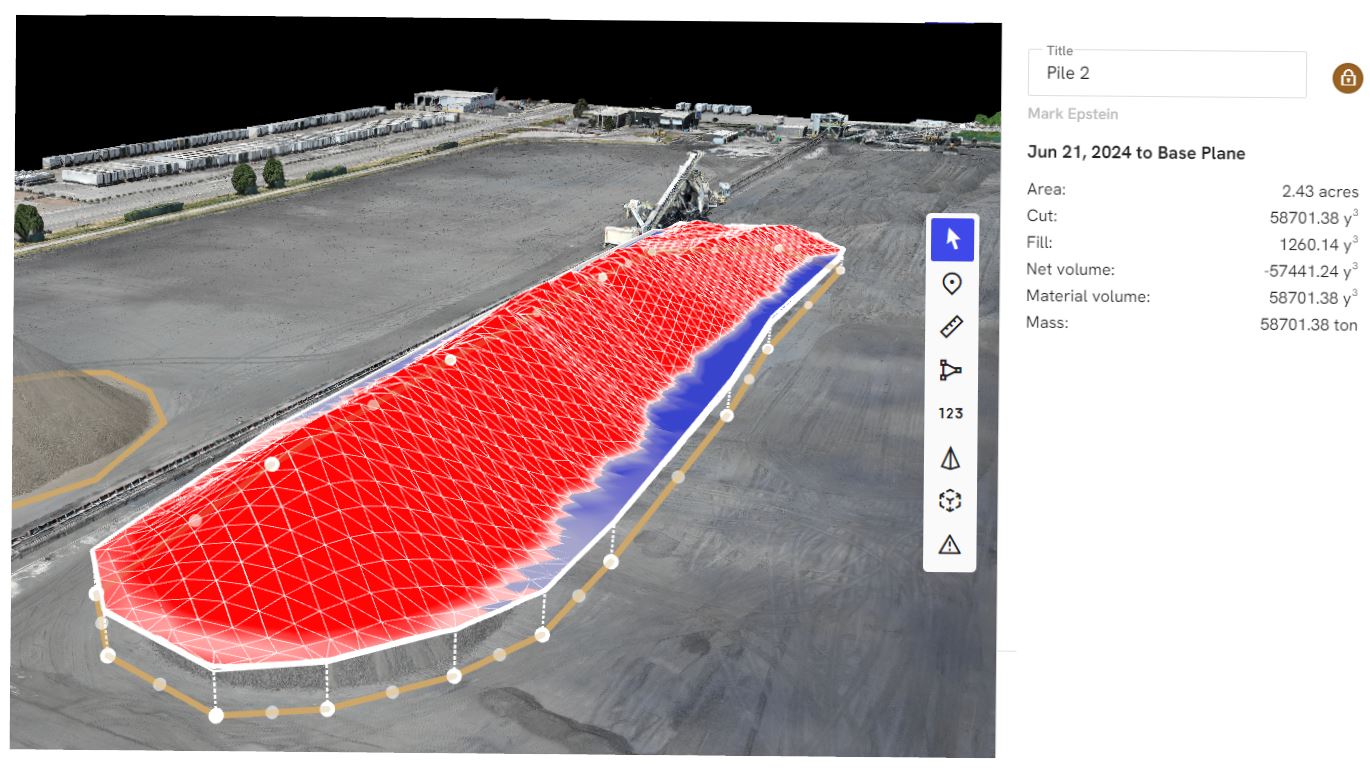
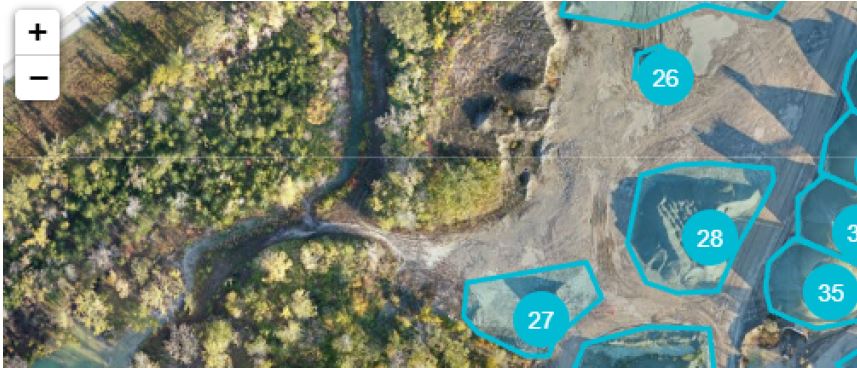
  • Pile surfaces and segmented volumes

Step 5: Reporting That Finance Can Use

Deliverables should be both readable and auditable. Common outputs include:

  • PDF summary report with map views and pile boundaries
  • Spreadsheet (CSV/XLSX) listing pile IDs and volumes
  • Change tracking vs prior periods (optional but valuable)
  • CAD-ready surfaces or contours (when needed for engineering)

Turning Stockpile Reporting Into a Business Process (Not a One-Off Project)

The biggest ROI shows up when you treat LiDAR reporting as a recurring operational discipline:

  • Month-end inventory support for accounting close
  • Vendor/customer dispute resolution (documented, timestamped, mapped)
  • Shrink/loss monitoring over time
  • Site planning with 3D yard models
  • Operational optimization (flow, layout, safety zones)

A mature program doesn’t just measure. It improves decisions.


The Decision-Maker Checklist: What to Ask Before You Hire a LiDAR Drone Provider

  1. How do you verify accuracy?
    Look for checkpoints, QA notes, and a method you can explain internally.
  2. How do you define pile boundaries and base surfaces?
    If boundaries change every time, your comparisons are meaningless.
  3. What exactly do you deliver—and in what formats?
    PDF + spreadsheet is a baseline. CAD and GIS outputs may matter depending on teams.
  4. Can you show a sample report from a similar site?
    Not just a screenshot—an example with pile IDs, maps, and methodology notes.
  5. How do you work around active operations safely?
    A professional crew coordinates; they don’t disrupt.

Why St. Louis Drone Services Is Built for High-Stakes Reporting and Marketing-Grade Visuals

At St. Louis Drone Services, we bring the discipline of full-scale production to industrial measurement and business storytelling—because accurate data and compelling visuals both depend on planning, consistency, and professional execution.

We’re a full-service professional commercial photography and video production company with the right equipment and creative crew service experience for successful image acquisition. We offer full-service studio and location video and photography, plus editing and post-production, and our work is supported by licensed drone professionals. St. Louis Drone Services can customize your productions for diverse media requirements, and repurposing your photography and video branding to gain more traction is another specialty.

We’re well-versed in all file types, media styles, and the software ecosystems used by businesses and agencies. We also use the latest Artificial Intelligence across our media services—helping streamline workflows, improve deliverables, and accelerate production without sacrificing quality.

Our private studio lighting and visual setup is ideal for small productions and interview scenes, and our studio space is large enough to incorporate props to round out your set. We support every aspect of your production—from setting up a private, custom interview studio to supplying professional sound and camera operators, as well as providing the right equipment—ensuring your next project is seamless and successful. And when environments demand it, we can fly specialized drones indoors.

As a full-service video and photography production corporation since 1982, St. Louis Drone Services has worked with many businesses, marketing firms, and creative agencies in the St. Louis area for marketing photography and video—bringing decades of experience to every project, whether the goal is a defensible stockpile report, a 3D site model, or content that sells your capabilities with authority.

If you want stockpile reporting that’s more accurate, more repeatable, and easier to defend internally—LiDAR drones can change the conversation from “best guess” to “business confidence.”

314-604-6544

stlouisdroneservices@gmail.com

Infrared Drones for Property Owners: Seeing the Problems You’re Paying For

Property ownership is a game of invisible risks. Heat moves through assemblies you can’t see. Moisture travels behind membranes and finishes. Electrical faults start as subtle temperature anomalies long before they become smoke, fire, downtime, and insurance claims.

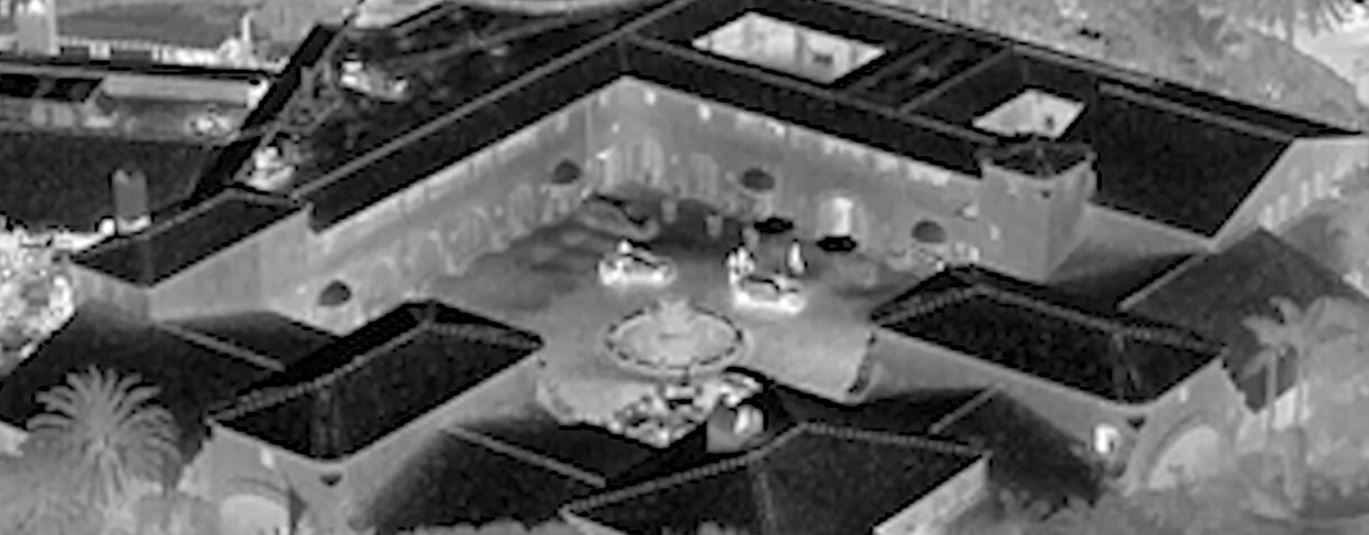
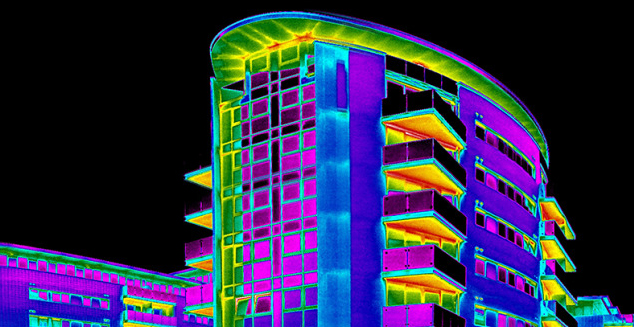
Infrared (thermal) drone imaging changes the math. It doesn’t “guess” where energy loss, wet insulation, rooftop defects, or overloaded electrical components might be hiding—it shows you patterns across the entire asset, fast, with evidence you can share.

This article breaks down what infrared drones can (and can’t) tell you, where they deliver the best ROI for property owners, how to plan a shoot so the results are actionable, and what to demand from a professional team so you don’t end up with pretty pictures that don’t answer real questions.


What infrared drone imaging actually measures

Thermal cameras don’t measure “heat loss” directly. They measure infrared radiation, then convert it into an image of apparent surface temperature. That nuance matters because what you see can be influenced by:

  • Emissivity (how efficiently a material emits IR energy)
  • Reflections (especially on shiny metals, glass, wet surfaces)
  • Wind, sun loading, and ambient conditions
  • Thermal lag (materials warm/cool at different rates)

A qualified operator interprets the thermal data in context—pairing it with visible imagery, site notes, and the right environmental window—so you can act with confidence.


Why property owners are adopting infrared drones now

1) Faster, safer coverage than manual thermography

Roofs, façades, solar arrays, and large sites often require lifts, ladders, shutdowns, and extensive labor to inspect closely. Drones reduce time on hazards and compress inspection cycles.

2) A repeatable baseline you can compare over time

A single thermal survey is useful. A scheduled thermal survey is powerful. Once you have baseline data, you can track drift and degradation:

  • roof moisture migration
  • HVAC performance changes
  • recurring electrical hotspots
  • insulation failures after storms or renovations

3) Better decision-making for capex, maintenance, and insurance documentation

Thermal findings help you prioritize spend. Instead of “replace the whole thing” vs “do nothing,” you can target repairs, validate contractor claims, and document pre/post conditions.


Best use cases for infrared drones on commercial properties

Flat and low-slope roof diagnostics (especially after weather events)

Infrared drone scans can help identify thermal anomalies that often correlate with:

  • trapped moisture in insulation
  • membrane separation
  • compromised seams/flashing areas
  • ponding-related failure zones

Why it matters: Wet insulation loses R-value, accelerates deterioration, and turns a repairable area into a larger replacement later. Thermal surveys can help you isolate suspect areas before opening the roof.

Key tip: Roof thermography is most effective in the right window (often after daytime heating with suitable evening conditions). Timing is strategy, not an afterthought.


Building envelope heat loss and insulation gaps

Thermal imaging can reveal:

  • missing or settled insulation
  • thermal bridging (structural members transferring heat)
  • air leakage pathways around penetrations and openings
  • abnormal patterns at roof-wall transitions

Why it matters: Comfort complaints, high utility bills, condensation, and HVAC strain often start here—especially in older buildings or recently remodeled spaces where assemblies changed.


Electrical and mechanical asset risk reduction

Thermal drone imagery (sometimes combined with closer-range thermography where required) can support inspection of:

  • rooftop HVAC units
  • mechanical exhaust fans and motors
  • electrical panels/gear areas where safely accessible and properly planned
  • connections and components that show abnormal heating

Why it matters: Overheating often precedes failure. Catching it early helps avoid downtime and emergency repair costs.


Solar array (PV) performance screening

Thermal imaging can flag “hot” cells/modules that may indicate:

  • failed bypass diodes
  • cell mismatch
  • micro-cracks or damage
  • soiling patterns or connection issues

Why it matters: Even small PV issues can drag production. Thermal surveys can help you identify problem strings/modules for targeted service.


Construction validation and renovation QA

If you’ve paid for insulation, air sealing, roof work, or envelope improvements, thermal imaging helps validate outcomes:

  • identify missed areas
  • confirm repairs actually changed thermal performance
  • document compliance for stakeholders

Why it matters: You reduce disputes and make punch lists evidence-based.


What infrared drones can’t do (and what to do instead)

Thermal imaging is a diagnostic screening tool—not a magic truth machine.

  • It can’t “see through” materials. It shows surface temperature patterns.
  • It can’t confirm moisture content without verification. Thermal anomalies often suggest moisture but should be corroborated with targeted core samples or moisture meters (especially for roofing decisions).
  • It can be fooled by reflections and sun. That’s why professional planning and interpretation matter.

A trustworthy workflow treats thermal as the map and verification as the compass. You use thermal to focus where you test and repair.


How to plan an infrared drone project that produces actionable results

Define the decision you’re trying to make

Examples:

  • “Where should we open the roof to verify wet insulation?”
  • “Which façade sections are driving energy loss?”
  • “Which PV modules are underperforming?”
  • “Did the contractor’s repair actually fix the issue?”

When the goal is clear, the flight plan, timing, and deliverables become obvious.

Choose the right timing window

Environmental conditions can make or break thermal clarity. A pro team plans around:

  • solar loading and cool-down cycles
  • wind limits
  • temperature differentials
  • precipitation history (especially for roofing)

Combine thermal + high-resolution visible imaging

Thermal tells you where. Visual tells you what. Together they create:

  • clearer interpretation
  • better contractor communication
  • stronger documentation for stakeholders

Demand a deliverable that’s built for stakeholders

Decision makers need reporting that speaks their language:

  • prioritized findings and severity
  • annotated imagery
  • clear assumptions and limitations
  • recommended next steps (verification, repair categories, monitoring)

What “good” deliverables look like for property owners

Depending on the project, we typically structure outputs around how teams actually work:

  • Executive summary (what we found, why it matters, what to do next)
  • Annotated thermal and visible stills (numbered, geo-referenced when needed)
  • Short highlight video (for internal teams, boards, investors, or tenants)
  • Asset map or inspection zones (roof sections, elevations, PV strings)
  • Before/after comparisons (for repairs and renovations)
  • File formats that fit your workflow (web, print, presentations, archives)

The goal is not “more media.” The goal is usable evidence.


Choosing the right provider: questions that separate pros from hobbyists

If you’re hiring infrared drone services, ask:

  • What’s your process for timing and conditions (roof, PV, envelope)?
  • How do you prevent misreads from reflections and emissivity issues?
  • Do you pair thermal with visible imagery and on-site context notes?
  • Can you provide deliverables that our facilities team and leadership can act on?
  • Are you insured and properly credentialed to operate commercially?
  • Can you fly safely indoors for specialized inspections (when appropriate)?

If the answer is “we just fly and send images,” you’re buying risk.


Why St Louis Drone Services for infrared drone imaging

At St Louis Drone Services, we don’t treat infrared drone work like a gadget demo—we treat it like professional image acquisition for business decisions.

We are a full-service professional commercial photography and video production company, operating since 1982, with deep experience supporting businesses, marketing firms, and creative agencies throughout the St. Louis area. We bring the right equipment and the right crew experience to capture, interpret, and deliver imagery that holds up in meetings, planning sessions, and project documentation.

Here’s what that means for you:

  • Full-service studio and location video and photography, plus editing and post-production
  • Licensed drone pilots and professional production workflows
  • Ability to customize deliverables for different media requirements (facilities reports, marketing, stakeholder updates, training, presentations)
  • Expertise across file types, formats, and software used by marketing and operations teams
  • Use of the latest Artificial Intelligence in our media services to accelerate workflows, improve organization, and streamline content repurposing
  • A private studio lighting and visual setup ideal for small productions and interview scenes, with room for props and custom sets
  • End-to-end support—from building a private interview studio to supplying professional sound and camera operators
  • Capability to fly specialized drones indoors when the environment and safety plan call for it

If you’re a property owner (or advising one) and you want thermal imaging that leads to clearer decisions—rather than a folder of confusing heat maps—St Louis Drone Services is built for that job.

314-604-6544

stlouisdroneservices@gmail.com