Tag Archives: photography

How to Plan Your Drone Shots for a Stronger Marketing Story

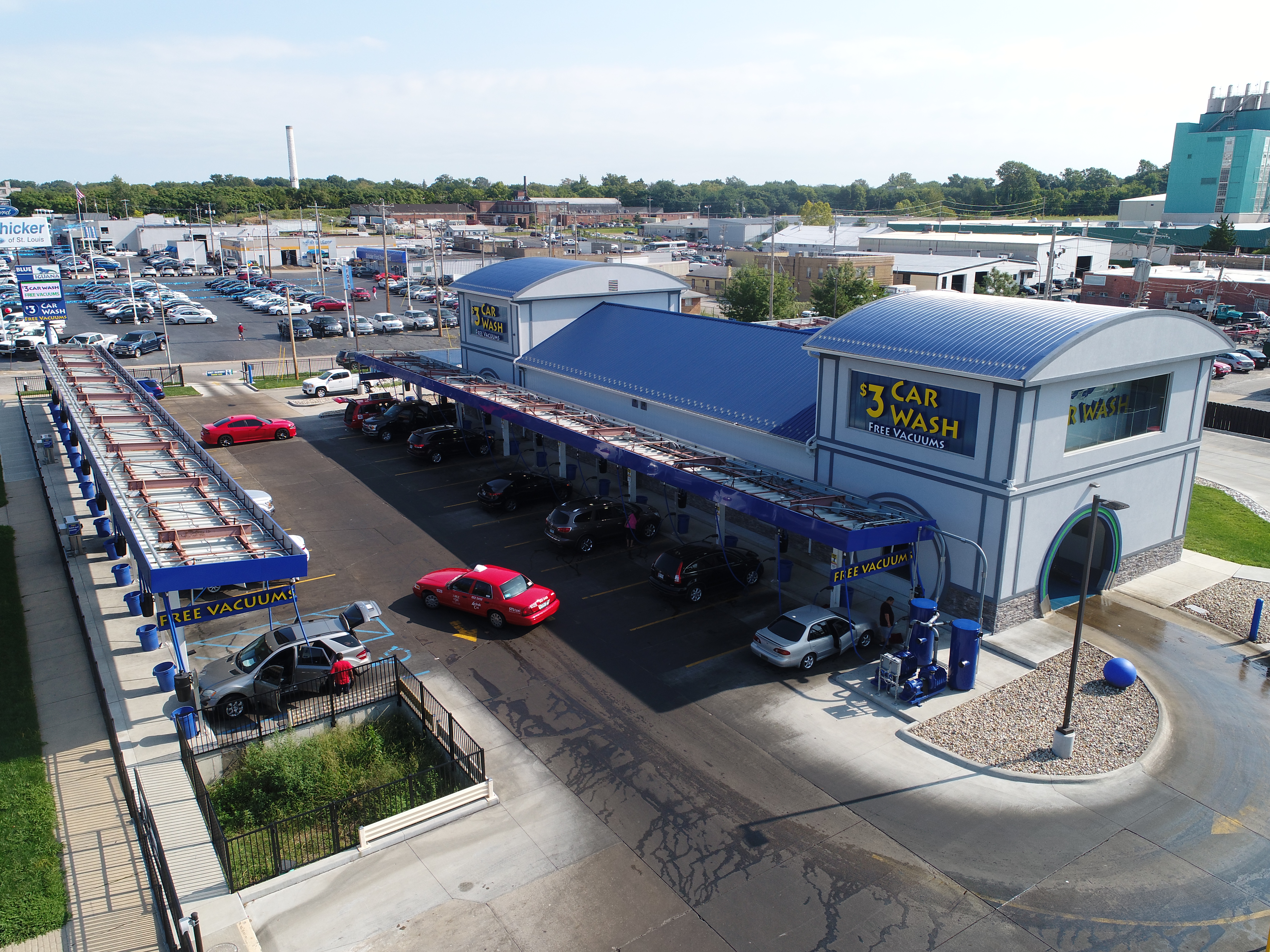
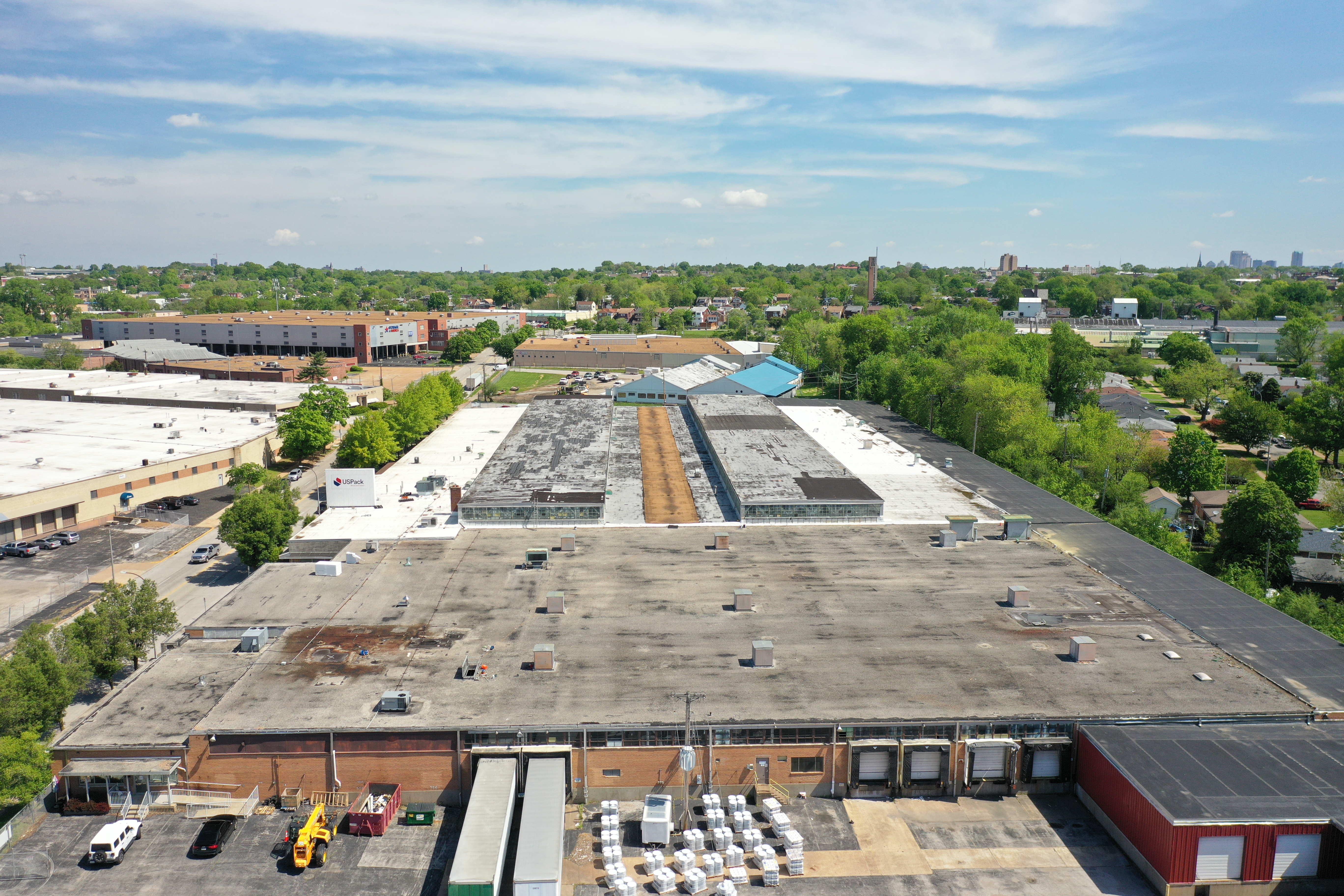
In an era when visual content determines audience engagement, storytelling through video must be more than just beautiful—it must be intentional. Drone footage has become a powerful tool in marketing, allowing businesses to add cinematic flair, showcase scale, and highlight unique perspectives. But like any visual asset, drone shots only truly shine when planned with strategy and narrative in mind.

At St Louis Drone Services, we don’t just fly drones—we help tell your brand story from above with purpose. Here’s how to effectively plan drone shots that enhance your next marketing campaign and leave a lasting impression.


1. Start with the Story, Not the Shot

Before thinking about flight paths or aerial angles, anchor your production with a strong message. Ask:

  • What are we trying to communicate?
  • What mood or emotion should the viewer feel?
  • How does the aerial perspective support or elevate the message?

For example, if you’re promoting a logistics company, you may want drone shots that communicate speed, coordination, and scale—such as smooth tracking over a fleet in motion or a wide reveal of a bustling shipping yard.


2. Location Scouting: Think Vertically and Spatially

Traditional location scouting is essential—but with drone productions, you must also consider airspace, obstructions, elevation, and regulations. Identify the most compelling visual elements and ensure they’re drone-accessible.

We recommend:

  • Conducting a pre-flight aerial assessment using maps or previous drone imagery
  • Considering sunrise/sunset for dramatic lighting
  • Reviewing FAA guidelines for the area (especially around restricted zones)

3. Map Out the Flight Plan to Match the Script

Treat drone footage as an integrated visual asset—not just a filler. If your marketing video has a script or narrative arc, align drone movement with key beats.

Example flight plan:

  • Opening shot: A reveal of your facility with a rising vertical movement to establish context
  • Middle sequence: Lateral tracking over operations to show workflow or human engagement
  • Final shot: A pull-away aerial to leave a sense of scale or progress

With professional crews like ours, we storyboard your drone sequences alongside the rest of the production plan for seamless integration.


4. Choose the Right Movement for the Mood

Drone maneuvers communicate mood just like music and pacing. Fast or aggressive flight may create excitement or urgency; slow, smooth glides convey trust and stability. Use this to your advantage.

Tips:

  • Orbiting shots can convey unity or innovation
  • Crane-style vertical rises are great for product reveals or dramatic intros
  • Tracking movement can enhance narrative flow or direct viewer attention

5. Balance Wide Aerials with Intimate Moments

While drone shots are naturally expansive, you don’t want them to feel disconnected from your ground-level story. Use them to transition between scenes, highlight scale, or contrast with close-up details.

Pro tip: Mix indoor drone fly-throughs with ground-level footage to keep viewers engaged and fully immersed in your brand environment.


6. Don’t Forget Post-Production Planning

Great drone content depends just as much on how it’s captured as how it’s cut, colored, and contextualized. Know your target platforms—horizontal for YouTube, vertical for Instagram Reels, square for LinkedIn. Planning with editing in mind ensures your shots are framed correctly and usable across campaigns.

At St Louis Drone Services, we tailor all drone footage for multi-platform flexibility and consistent brand integration.


Why Choose St Louis Drone Services?

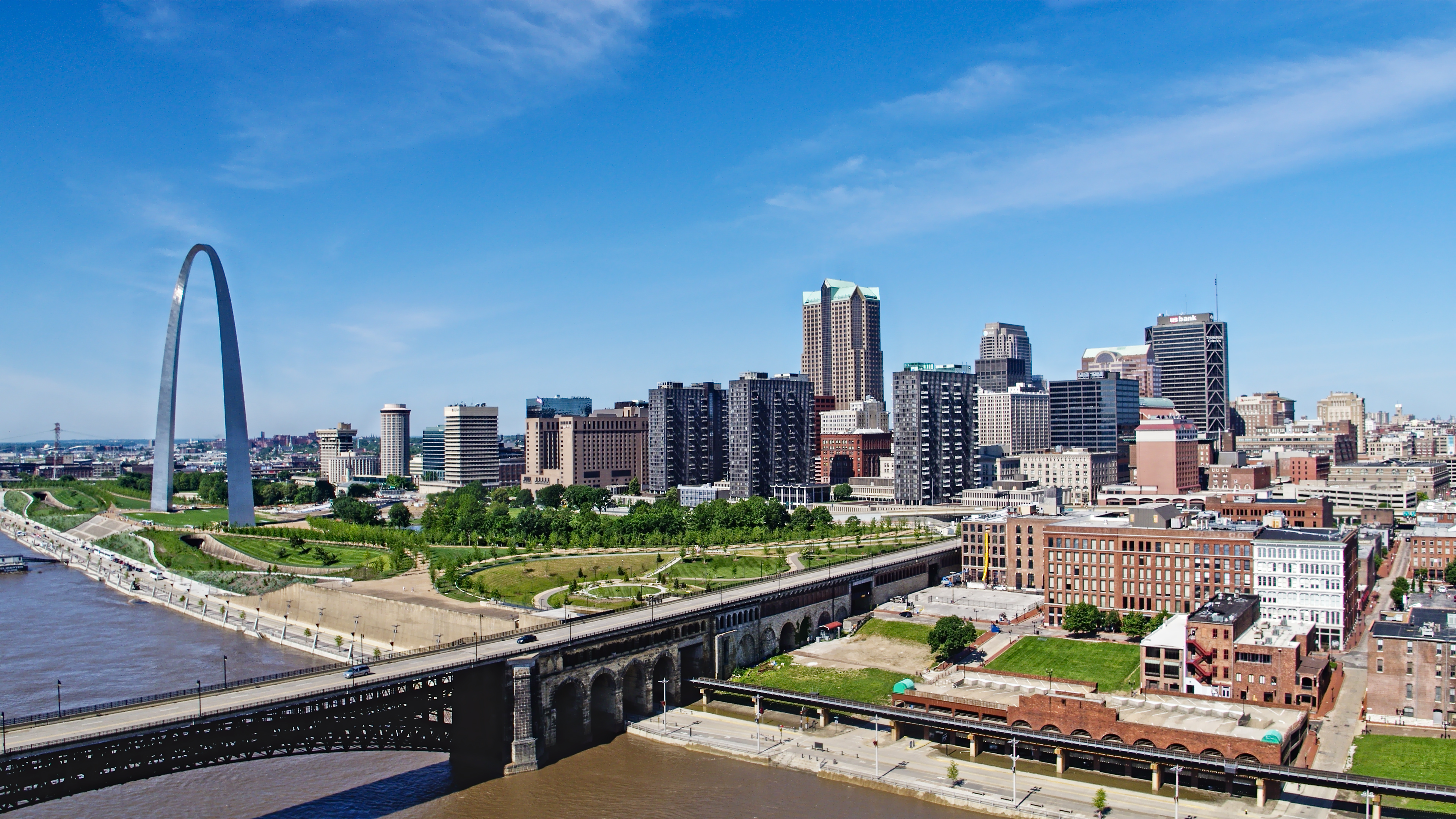
At St Louis Drone Services, we bring decades of commercial video production experience together with the most advanced drone technology available today. Since 1982, we’ve worked with businesses, marketing firms, and creative agencies across the St. Louis region to deliver powerful aerial imagery that tells a story.

We offer:

  • Licensed and insured drone pilots trained in outdoor and indoor aerial capture
  • Custom studio setups for interview-driven or mixed-format content
  • Full-service editing, post-production, and AI-enhanced workflow for fast, high-quality results
  • Creative crew support including producers, camera ops, and location scouts
  • Expert repurposing strategies to stretch your investment across digital, broadcast, and social campaigns
  • In-depth experience with all major file formats and production styles

We even fly our specialized drones indoors, making your warehouse, showroom, or facility tour possible in a single, cinematic sequence.

No matter your industry—real estate, manufacturing, logistics, healthcare, or tourism—St Louis Drone Services has the tools, talent, and track record to help you plan and execute drone footage that delivers results.

Let’s fly with purpose. Let’s tell your story from above.

314-604-6544

stlouisdroneservices@gmail.com

What’s Next for Drones in Construction? How Aerial Imaging Is Shaping the Future of Job Site Management.

Introduction: Elevating Construction with Aerial Innovation

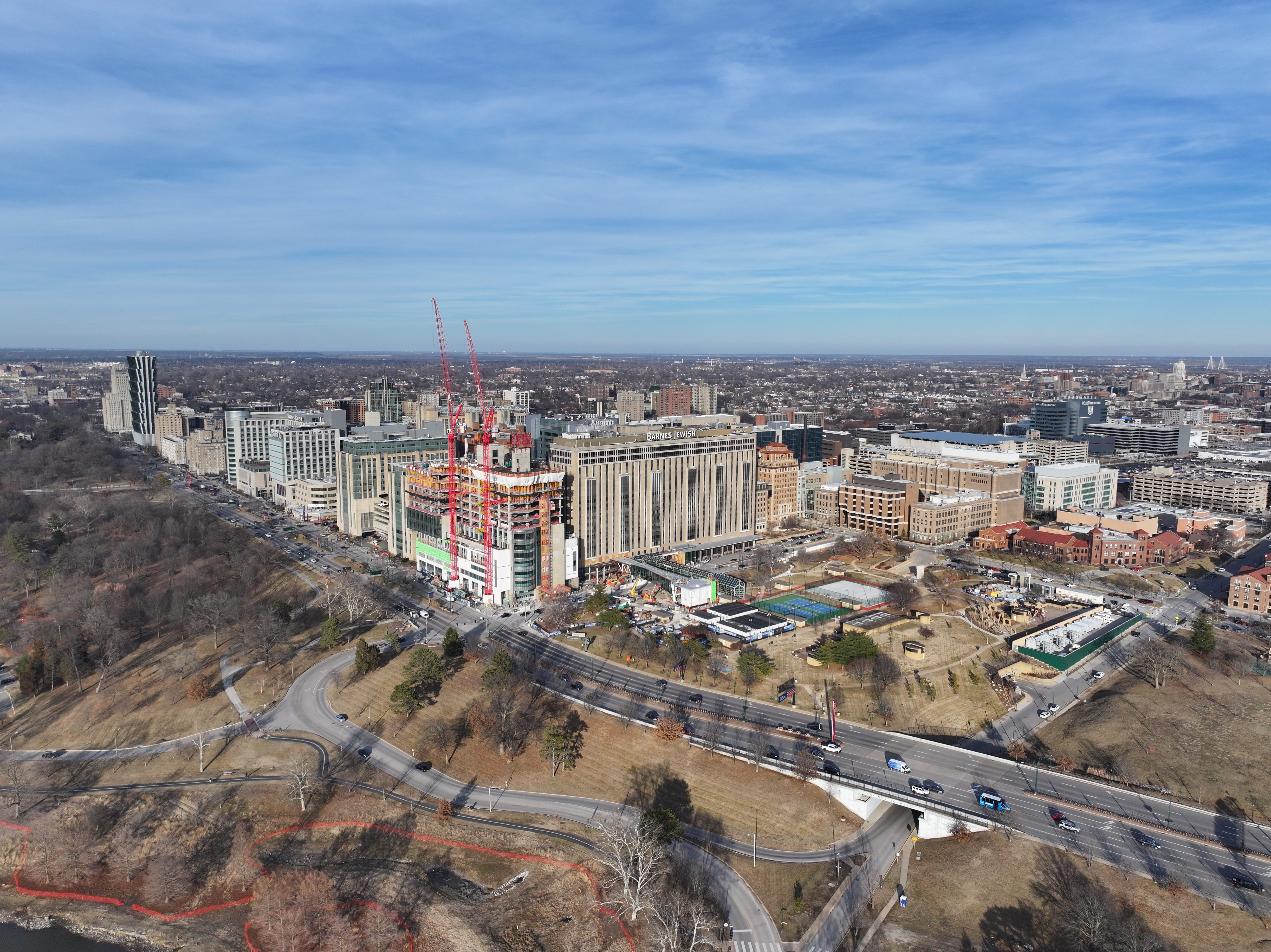
In the fast-paced world of construction, precision, efficiency, and real-time information are critical. As the industry evolves, so too does the technology supporting it—none more transformative than the rise of drone services. Once used primarily for overhead photography, drones now play an integral role in modern construction workflows. From pre-construction planning to post-project evaluation, drones are revolutionizing how teams visualize, measure, and manage job sites.

At St Louis Drone Services, we’ve seen firsthand how aerial solutions can boost productivity, enhance safety, and reduce costs. But what’s next? Let’s take a closer look at where drone technology is heading in the construction industry—and how businesses can leverage it to gain a competitive edge.


Current Use Cases: Where Drones Already Excel on Construction Sites

Today’s construction teams are turning to drones for a wide range of high-impact tasks:

  • Topographic Mapping & Land Surveys
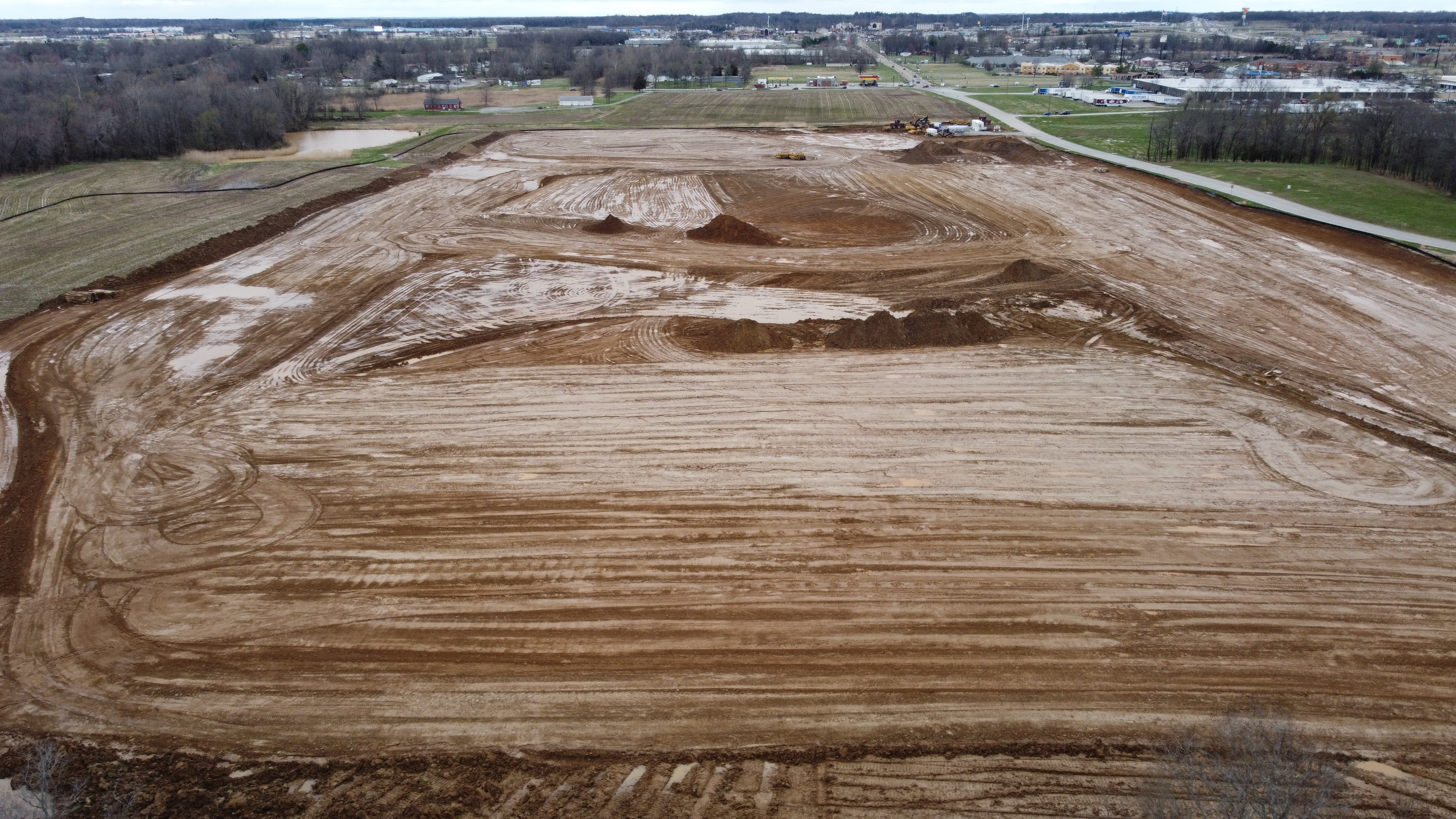
    Drones can survey large areas of land quickly and cost-effectively. With RTK-enabled drones and photogrammetry software, we can generate detailed, geo-referenced 2D and 3D models—often more accurately and faster than traditional surveying methods.
  • Progress Monitoring & Visual Reporting
    Frequent drone flights provide stakeholders with up-to-date, high-resolution visuals, aiding in project tracking and client communications. These images and videos also serve as valuable documentation for compliance and insurance purposes.
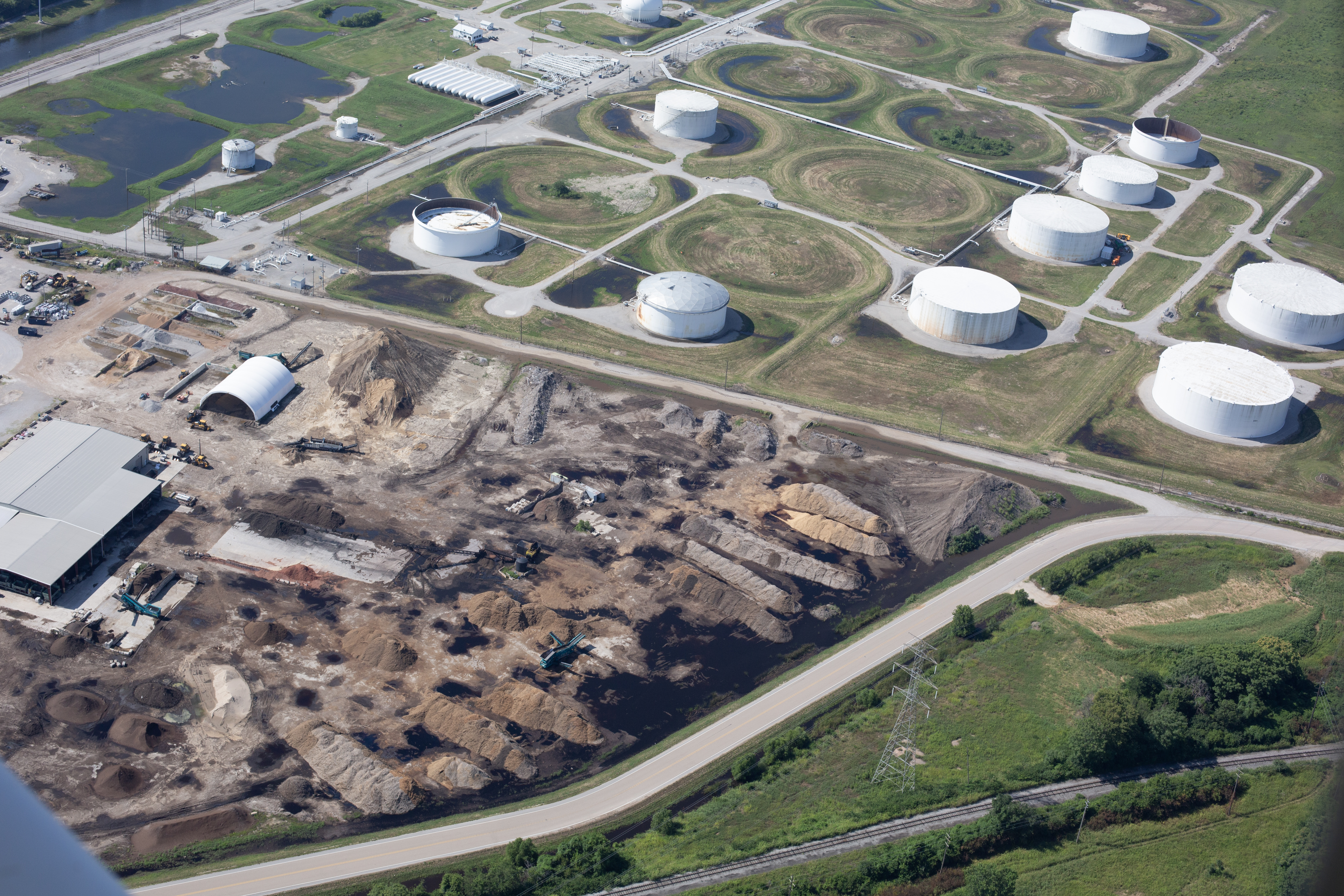
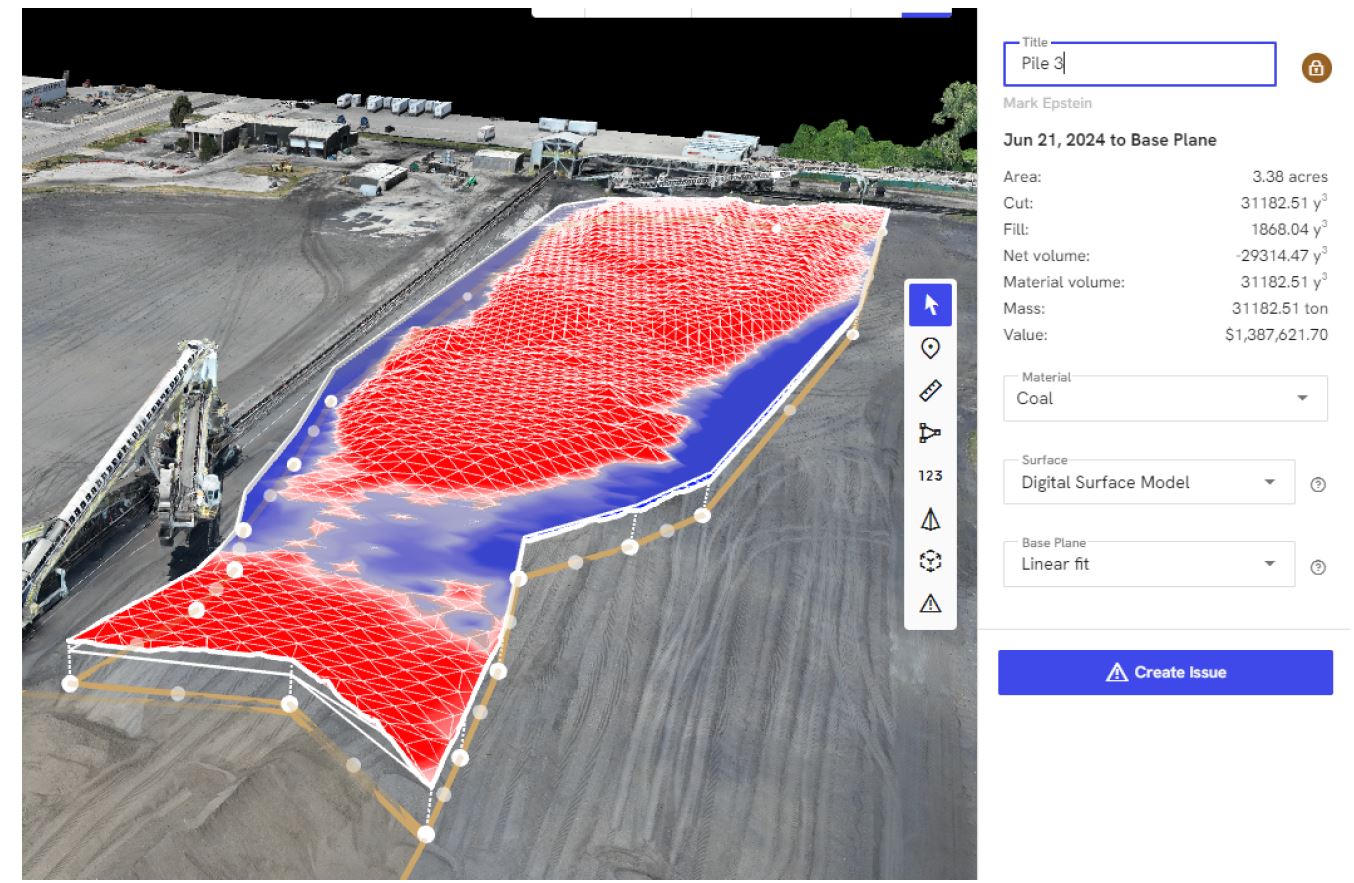
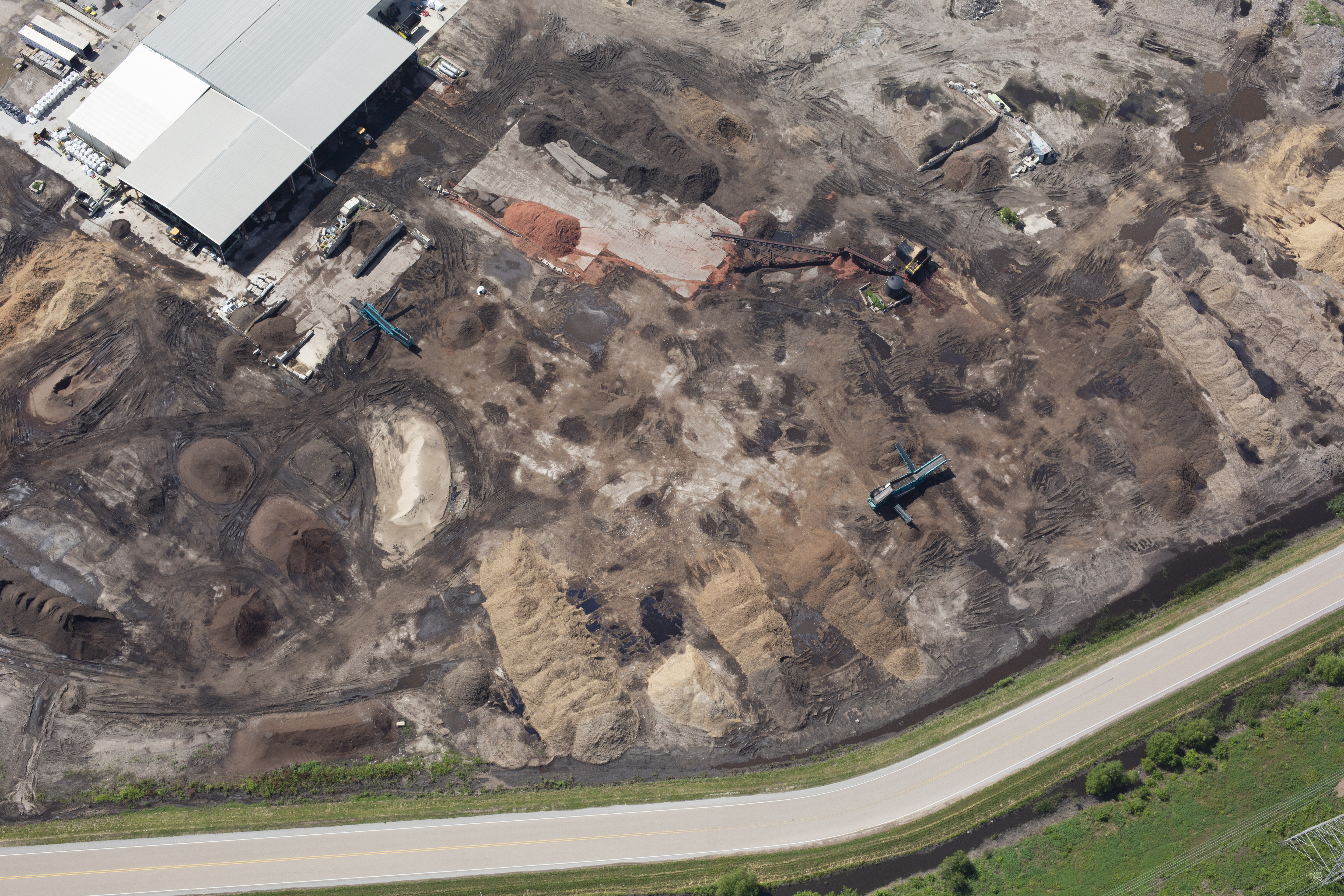
  • Volumetric Analysis for Earthworks & Stockpiles
    Drone data enables accurate measurement of materials moved on-site. This is especially useful for grading, cut-and-fill planning, and confirming vendor material deliveries.
  • Site Inspections & Safety Assessments
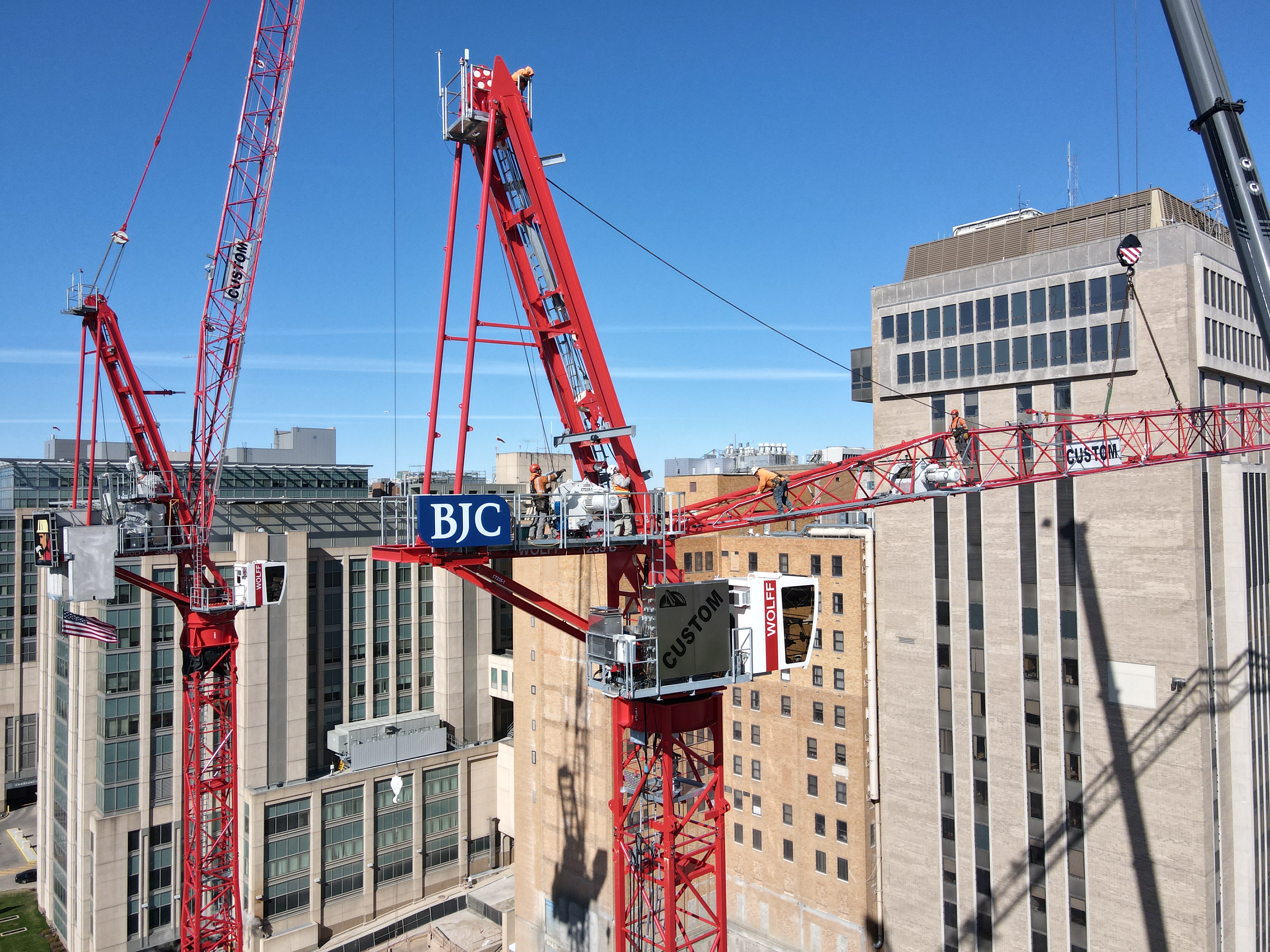
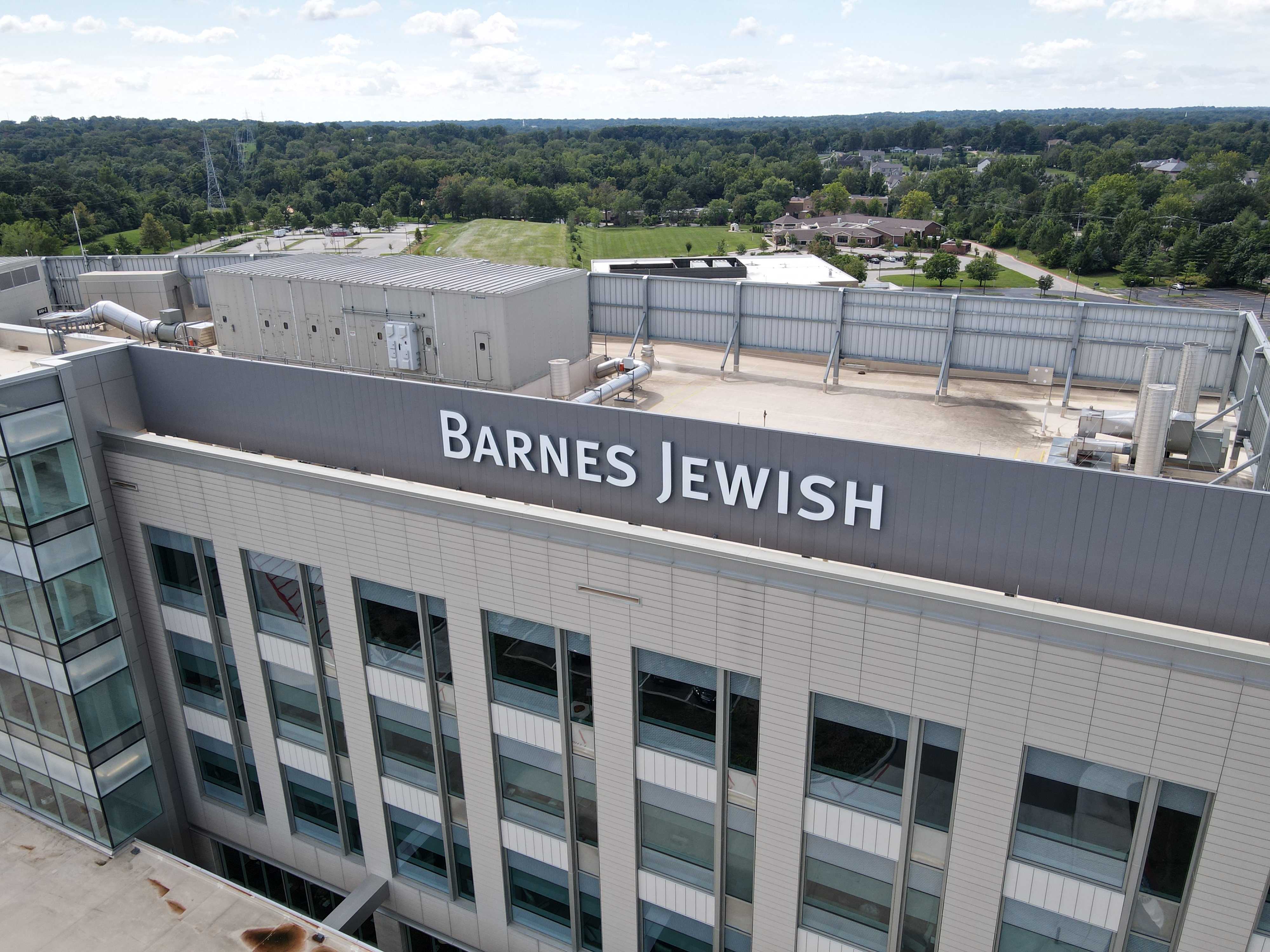
    Drones provide access to hard-to-reach or hazardous areas, keeping personnel safe while gathering critical visual information from roofs, towers, scaffolding, and other elevated zones.

What’s Next: The Future of Drones in Construction

As drone technology continues to mature, we anticipate several key developments that will further embed UAVs into construction workflows:

  • Autonomous Flight Plans & AI-Powered Analysis
    With AI-assisted flight planning and automated data processing, drones will not just capture images—they’ll interpret them. AI can identify changes in site conditions, detect potential safety hazards, and flag discrepancies between blueprints and actual builds.
  • Real-Time 3D Modeling & Digital Twins
    Construction firms will increasingly rely on real-time 3D reconstructions of job sites—so-called “digital twins”—to simulate progress, collaborate remotely, and prevent costly mistakes.
  • BIM Integration
    Drone data will be more tightly integrated with Building Information Modeling (BIM) systems. This convergence allows for seamless updates to planning documents and immediate insights into the build’s progress versus design.
  • Indoor Drone Flight for Facility Mapping
    With advanced obstacle avoidance and optical flow technology, drones can now navigate interior spaces for documentation, as-built verification, and post-construction inspection—ideal for warehouses, factories, and large commercial spaces.
  • Thermal Imaging & LiDAR Applications
    Drones equipped with thermal cameras and LiDAR sensors will gain broader use in energy audits, underground infrastructure mapping, and monitoring of HVAC systems during facility upgrades or new construction.

Why It Matters: Competitive Advantages of Drone Integration

Construction firms that adopt aerial technology early stand to benefit from:

  • Faster data collection and turnaround
  • Reduced rework from improved quality control
  • Lower labor and insurance costs
  • Stronger documentation for stakeholder transparency
  • Enhanced reputation for innovation and safety

As the construction landscape becomes more competitive and technology-driven, drone services are no longer optional—they’re essential.


Why Choose St Louis Drone Services?

At St Louis Drone Services, we combine deep industry experience with cutting-edge technology to help your construction projects take flight—literally and figuratively.

We’re a full-service professional commercial photography and video production company, offering:

  • Licensed and insured drone pilots
  • Aerial photography, video, and 3D imaging
  • Editing and post-production
  • Indoor and outdoor flight capabilities
  • AI-enhanced image analysis
  • Volumetric measurements and digital modeling
  • Private studio lighting and custom-built sets for visual presentations

Whether you’re tracking construction progress, inspecting infrastructure, or creating stakeholder presentations, we have the right equipment and creative crew to ensure successful image acquisition.

Since 1982, St Louis Drone Services has worked with businesses, marketing firms, and creative agencies throughout the St. Louis area. Our media team understands how to repurpose your photography and video branding to gain more traction—whether for project management, marketing, or internal documentation. We are well-versed in all media file types, styles, and accompanying software, delivering a seamless experience from planning to final delivery.

Let us elevate your next construction project—in the air and on the ground.

314-604-6544

stlouisdroneservices@gmail.com

How to Plan Drone Shots for Your Next Video

Incorporating drone shots into your video production can elevate your project by adding dramatic perspectives, dynamic motion, and cinematic appeal. However, successful drone shots require more than just a drone and a camera—they require thoughtful planning, expert coordination, and a clear vision of how these shots will contribute to your overall story. For businesses, marketing firms, and organizations looking to integrate drones into their video production, understanding how to effectively plan drone shots is crucial to achieving the desired outcome.

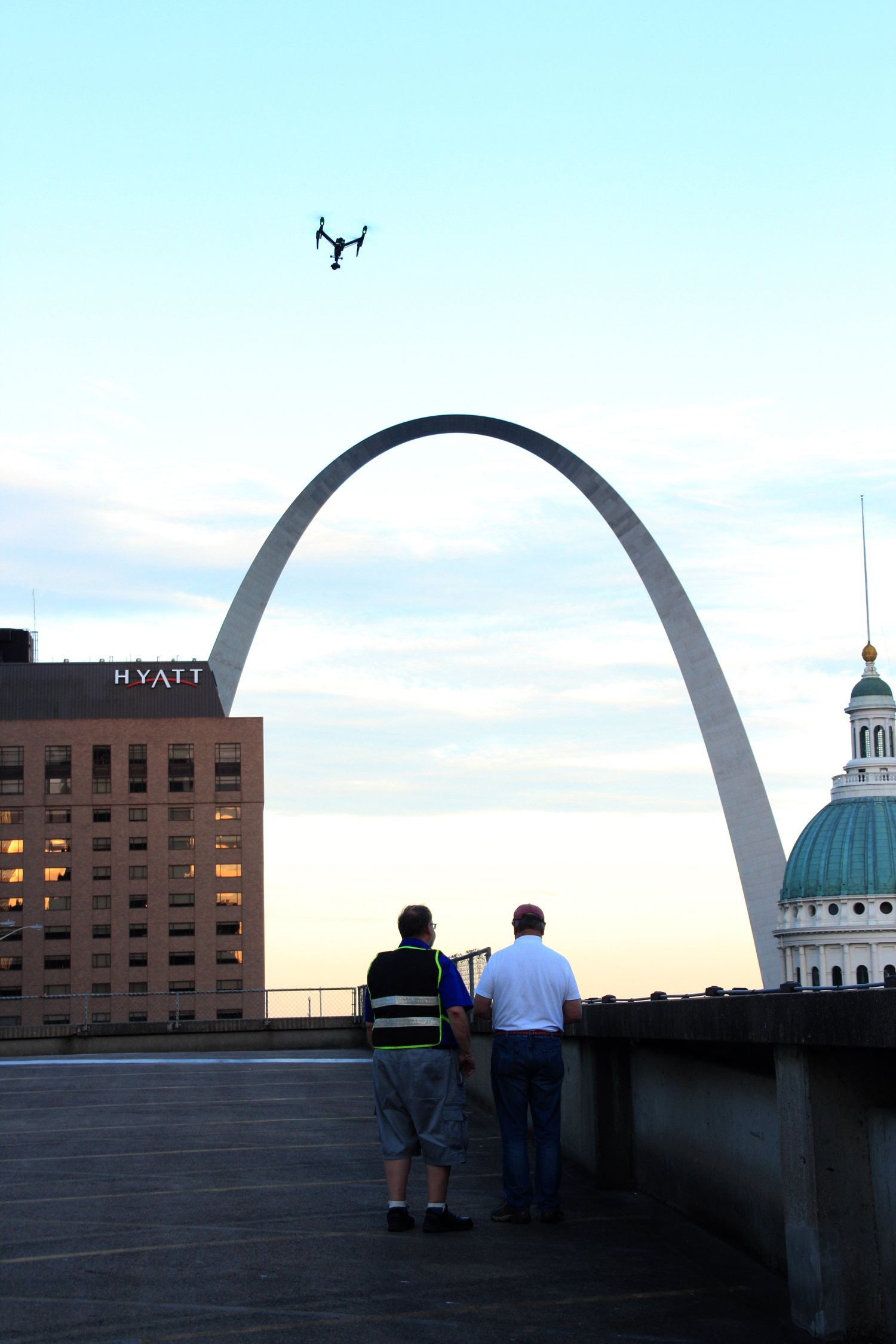
The best drone shots often take place during the golden hours—shortly after sunrise or just before sunset—when the light is soft and dramatic.

Here’s a guide to help you plan the perfect drone shots for your next video production:

1. Identify the Purpose of the Drone Shot

Before you even think about equipment or technical details, it’s important to identify what you want the drone shots to achieve. Ask yourself the following questions:

  • What mood or emotion do I want to convey? A sweeping aerial view can create a sense of grandeur or serenity, while a dynamic, fast-moving shot can evoke excitement or urgency.
  • What aspect of the scene or location should the drone highlight? Are you showcasing a vast landscape, a bustling city, or a close-up of a building or event? Drone shots are perfect for capturing the larger context and providing scale.
  • How will the drone shot fit into the narrative? Consider how the drone shot will move the story forward. Is it an establishing shot to set the scene, an action shot to follow a subject, or a cutaway to provide visual variety?

Once you have a clear purpose for your drone shots, you can tailor your planning accordingly.

2. Choose the Right Locations for Drone Shots

Drone shots are especially effective in open spaces, but they can also be used creatively in more confined settings. When scouting locations for your video, think about:

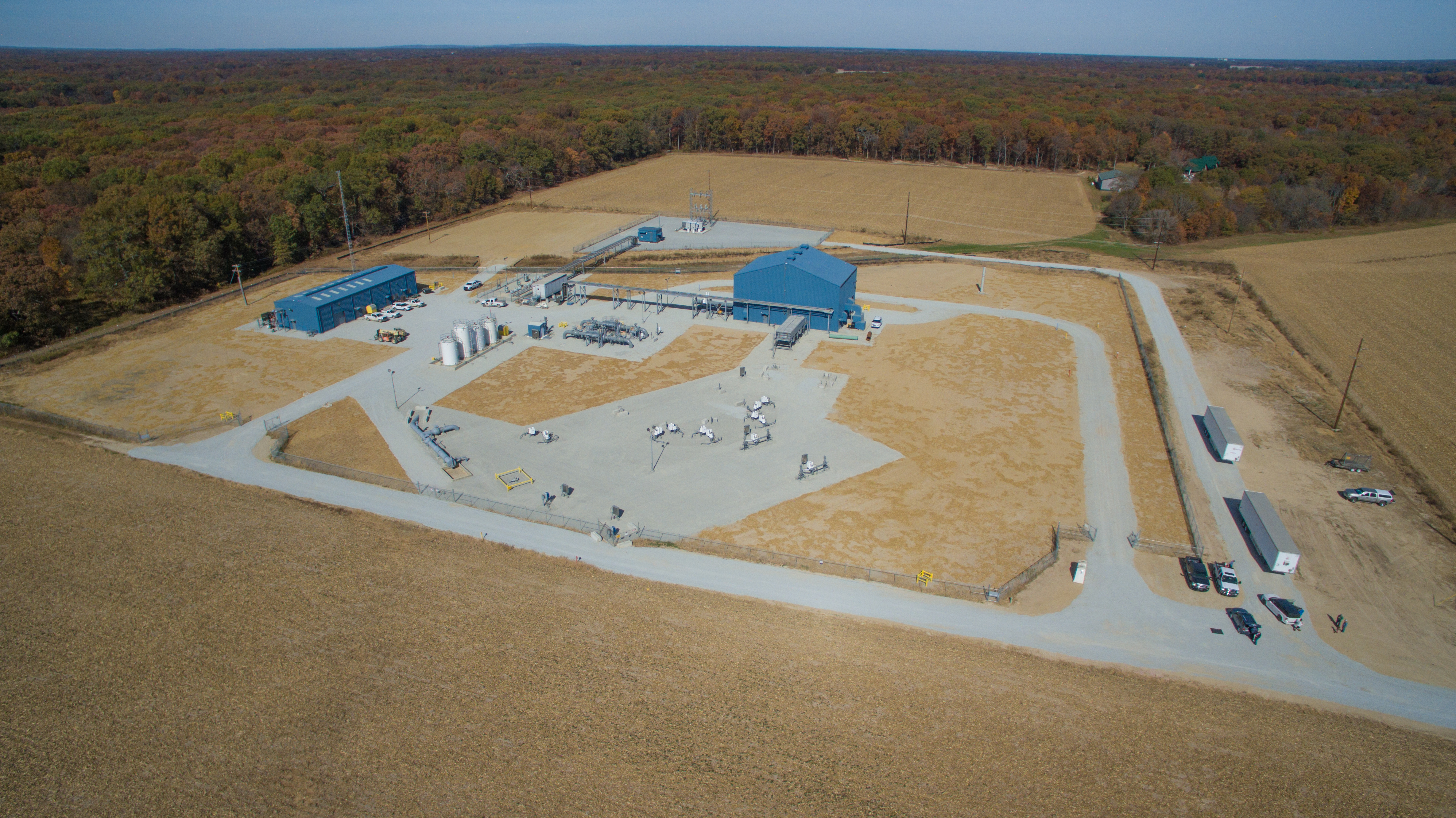
  • Wide open spaces: Drone shots are ideal for capturing outdoor environments like parks, construction sites, industrial facilities, cityscapes, or even natural landscapes.
  • Crowded or complex environments: Drones can also be used in busy or complex environments, such as office buildings, event spaces, or manufacturing facilities. However, you may need to consider specific logistics, such as obstacles or permission requirements.
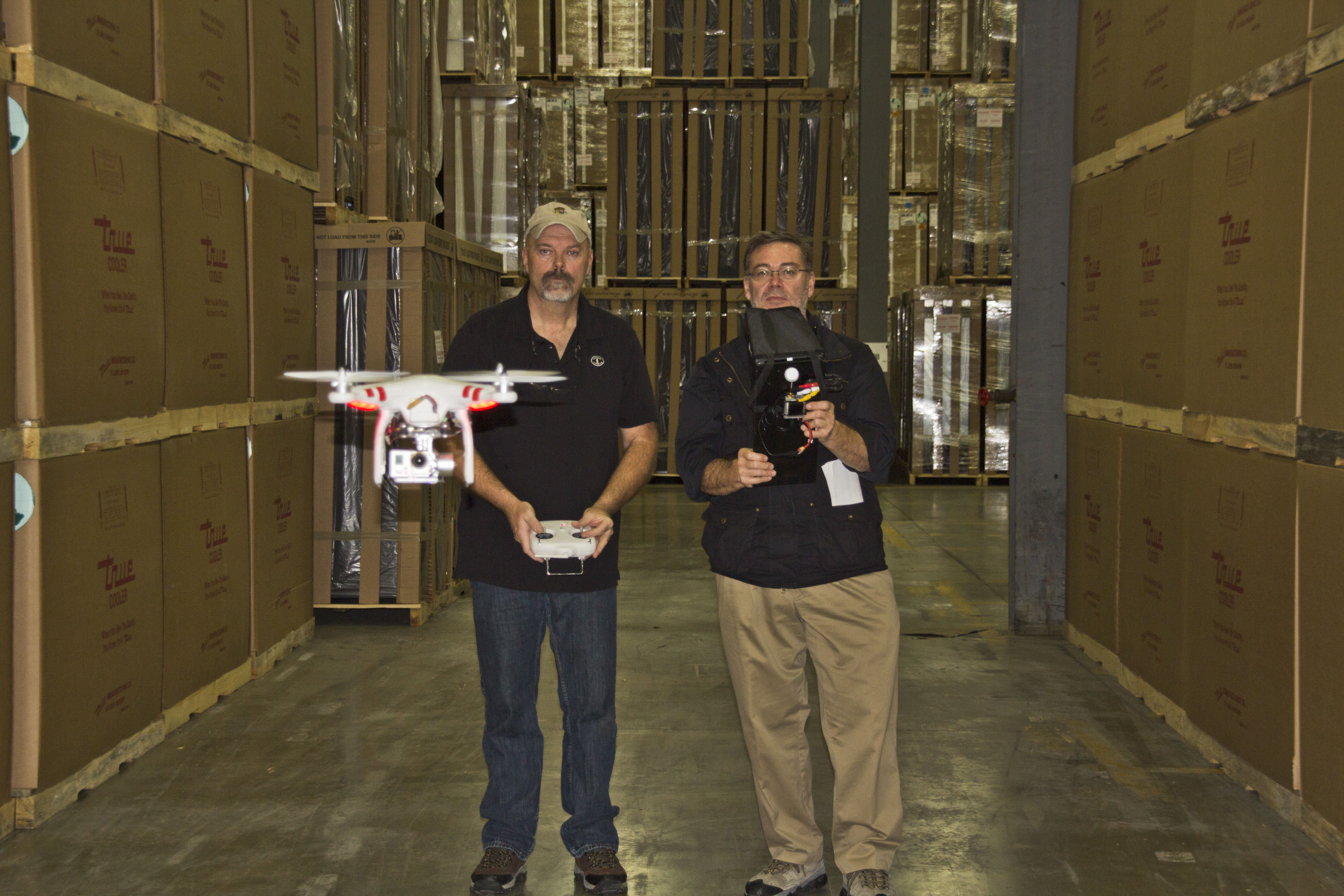
  • Indoor shooting: Specialized drones can be flown indoors to capture detailed shots in locations like studios, warehouses, or office spaces. These shots provide a unique perspective, especially in environments that traditional cameras may struggle to capture.

Proper location scouting is key to ensuring that your drone shots serve both the narrative and the visual aesthetic of the project.
3. Consider the Weather and Lighting Conditions

Drone shots are highly sensitive to weather and lighting, so planning these factors is essential to achieving optimal results:

  • Weather conditions: Strong winds, rain, or low visibility can impede drone flight and affect shot quality. Ensure that you monitor weather forecasts in advance and plan your drone shots around the best conditions.
  • Lighting: The best drone shots often take place during the golden hours—shortly after sunrise or just before sunset—when the light is soft and dramatic. However, depending on the look you’re aiming for, you may choose to shoot in other lighting conditions, such as bright midday sunlight or even during night shoots with artificial lighting.

4. Work with Experienced Pilots and Operators

Flying drones isn’t as simple as pushing a button—it requires skill, precision, and coordination with other members of your production crew. This is where experienced drone operators and videographers come into play.

At St. Louis Drone Services, we have licensed drone pilots who are experts in navigating various environments, whether that means flying over a busy city, around tall buildings, or inside a tight space. The proficiency of your drone operator will directly affect the smoothness and safety of the shot, as well as its quality.

Ensure that your drone operators are experienced enough to handle the specific challenges of your shoot, and have them coordinate with other crew members to align with your overall production plan.

5. Create a Detailed Flight Plan

Drone flights should be carefully mapped out to avoid obstacles, ensure safe flying, and optimize shot quality. A detailed flight plan should include:

  • Flight path: Plot the trajectory of the drone, including takeoff and landing points, direction of flight, altitude, and speed. This ensures that the drone stays within the designated area and avoids obstacles.
  • Shot list: Create a list of specific shots you want the drone to capture, including angles, elevations, and transitions. This ensures that all key moments are covered and that your team stays on track.
  • Timing: Plan how long each drone shot will take, factoring in time for adjustments, repositioning, and retakes. If you have multiple drone shots planned, make sure there’s ample time for each segment of the shoot.

6. Understand the Legal and Safety Requirements

Drone operations are subject to specific regulations and laws, particularly when flying in urban areas or around private property. Ensure that you are familiar with the necessary permits, airspace restrictions, and any other legal considerations before your shoot.

In many cases, you’ll need to obtain permission to fly in certain areas or locations. It’s also important to prioritize safety and communicate with your team to ensure that everyone is aware of potential hazards.

7. Incorporate Drone Shots into the Post-Production Process

Once you’ve captured your drone shots, it’s important to integrate them seamlessly into your final video. Drone shots often require post-production work, such as stabilizing footage, color correction, and sound editing.

At St. Louis Drone Services, we offer full-service editing and post-production services, ensuring that your drone footage is polished and ready to make an impact. Whether you need a smooth aerial transition, seamless integration with other camera angles, or visual effects, our expert editing team will help bring your drone shots to life.

St. Louis Drone Services: Your Trusted Partner for Expert Drone Photography and Video Production

At St. Louis Drone Services, we are experts in planning and executing drone shots that will elevate your video production to new heights. Our full-service team is equipped with the right tools and experience to help you achieve your vision. From studio and location video to editing, post-production, and licensed drone pilots, we offer everything you need for a successful production.

We specialize in customizing your production to meet diverse media requirements, ensuring that your videos stand out and leave a lasting impression. Our extensive experience with all types of media and software ensures that we deliver high-quality, optimized footage that is perfect for your digital platforms.

With our private studio setup, sound and camera operators, and ability to fly specialized drones indoors, we’re equipped to handle every aspect of your production—from interviews to dynamic aerial shots. Since 1982, St. Louis Drone Services has been a trusted partner for businesses, marketing firms, and agencies in the St. Louis area, offering top-notch photography and video services that create lasting results.

Let us help you plan and execute the perfect drone shots for your next video production. Contact St. Louis Drone Services today to learn more about how our team can bring your creative vision to life.

314-604-6544

stlouisdroneservices@gmail.com

Enhancing Solar Panel Layout Planning with Drones: The Future of Efficient Energy Solutions

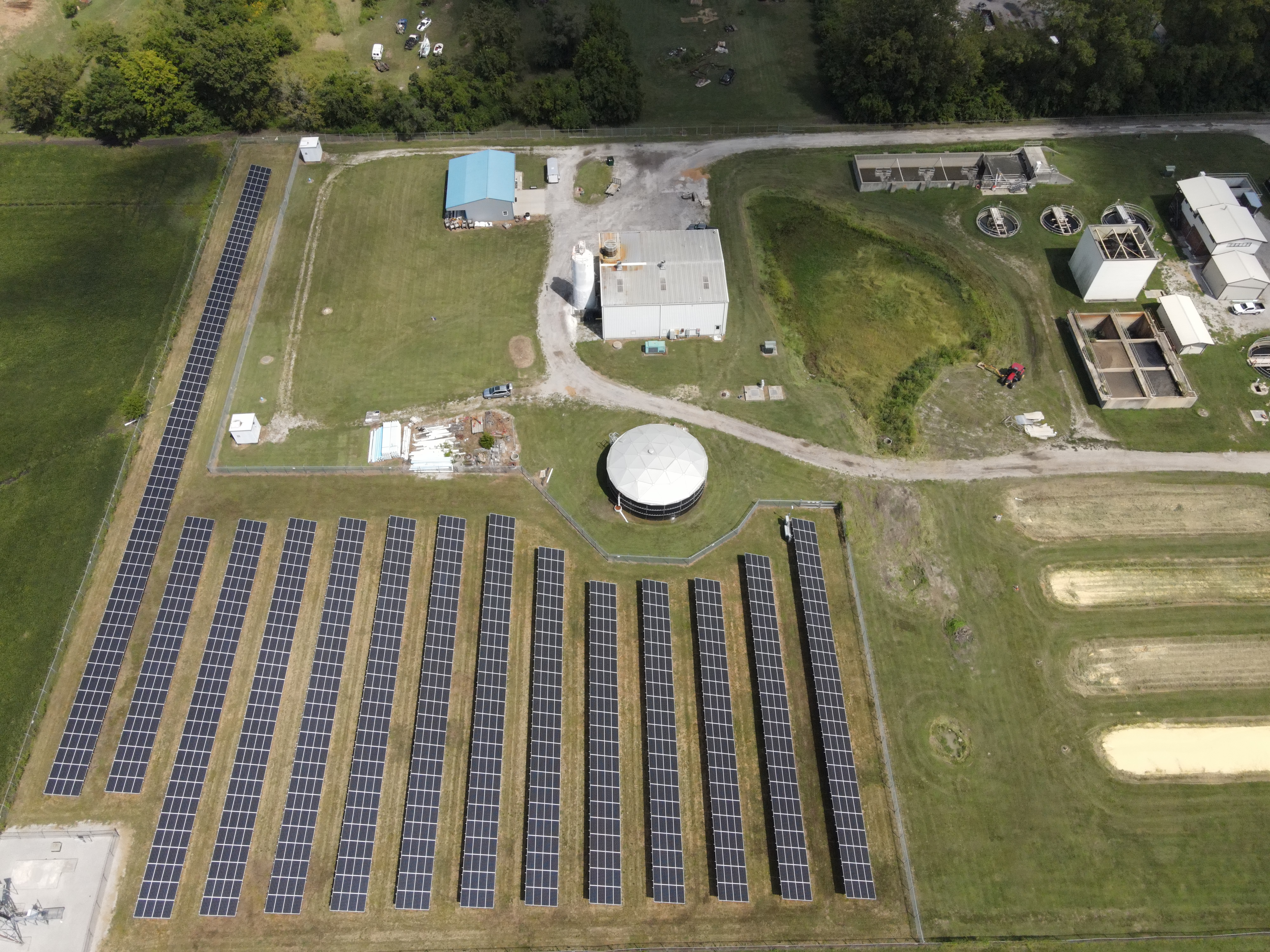
With drones, solar companies can capture high-resolution aerial images, ensuring that all data is precise and reliable.

In the growing renewable energy industry, solar power remains one of the most promising solutions for sustainable energy. To maximize its potential, it’s crucial for businesses to optimize the design and placement of solar panels. One of the most effective tools for improving the planning and execution of solar panel layouts is drone technology. With their ability to capture detailed aerial views and data, drones are transforming how energy companies and businesses plan their solar installations.

The Role of Drones in Solar Panel Layout Design

Planning an efficient solar panel layout involves analyzing various factors, including terrain, sunlight exposure, and the layout of the land. Traditionally, this process required time-consuming ground surveys and measurements. However, drones have significantly streamlined this process, providing quicker, more accurate data.

Drones equipped with high-resolution cameras and mapping software can capture precise imagery of the site, even in challenging terrain or hard-to-reach locations. The data gathered from these aerial surveys can be used to generate 3D models, offering insights that help engineers optimize solar panel placement to achieve maximum sunlight exposure and energy efficiency.

Why Drones Are the Game-Changer for Solar Panel Layouts

  1. Speed and Efficiency: Drones can survey large areas in a fraction of the time it would take to conduct manual surveys, accelerating the planning process and enabling faster decision-making.
  2. Cost-Effective Technology: Drone services offer a more affordable alternative to traditional surveying methods, saving businesses money on labor and equipment costs. Additionally, drones reduce the need for specialized machinery, lowering the overall project cost.
  3. High-Precision Data: With drones, solar companies can capture high-resolution aerial images, ensuring that all data is precise and reliable. This data can then be used to create 3D models that enhance the accuracy of solar panel placement.
  4. Access to Difficult Terrain: Drones can easily navigate difficult or dangerous terrain, such as steep hills or densely vegetated areas, where traditional surveys might be impractical or unsafe.
  5. Real-Time Insights: Drones provide real-time data, allowing solar designers to make adjustments to the layout on the spot, improving the overall efficiency and accuracy of the design.

St. Louis Drone Services: Transforming Solar Panel Layout Planning

At St. Louis Drone Services, we specialize in providing advanced drone solutions for the renewable energy sector, including solar panel layout planning. Our expertise in commercial photography and video production, combined with our state-of-the-art drone technology, allows us to offer a comprehensive service that meets the unique needs of energy companies.

As a full-service provider, St. Louis Drone Services offers everything from aerial photography and video to 3D mapping and modeling, delivering the precise data you need to plan your solar installations effectively. Our licensed drone pilots have extensive experience and can even fly specialized drones indoors for projects that require a controlled environment.

We also offer a range of additional services to support your production needs. Whether it’s creating a custom interview studio setup, providing sound and camera operators, or offering expert editing and post-production, St. Louis Drone Services has everything needed for a seamless video production experience.

Since 1982, we have been serving businesses, marketing firms, and agencies in the St. Louis area, providing them with the tools and expertise to achieve their goals. Our private studio offers a perfect space for small productions and interviews, while our larger setups are ideal for more complex shoots involving props and elaborate sets.

At St. Louis Drone Services, we pride ourselves on our ability to customize every project to your specific needs. Whether you’re looking to optimize solar panel layouts or need help with repurposing video and photography for marketing, we have the right equipment and creative team to bring your vision to life.

Let us help you take your solar panel layout planning to the next level. With our expert drone services, we ensure that your project is as efficient and effective as possible.

314-604-6544

stlouisdroneservices@gmail.com

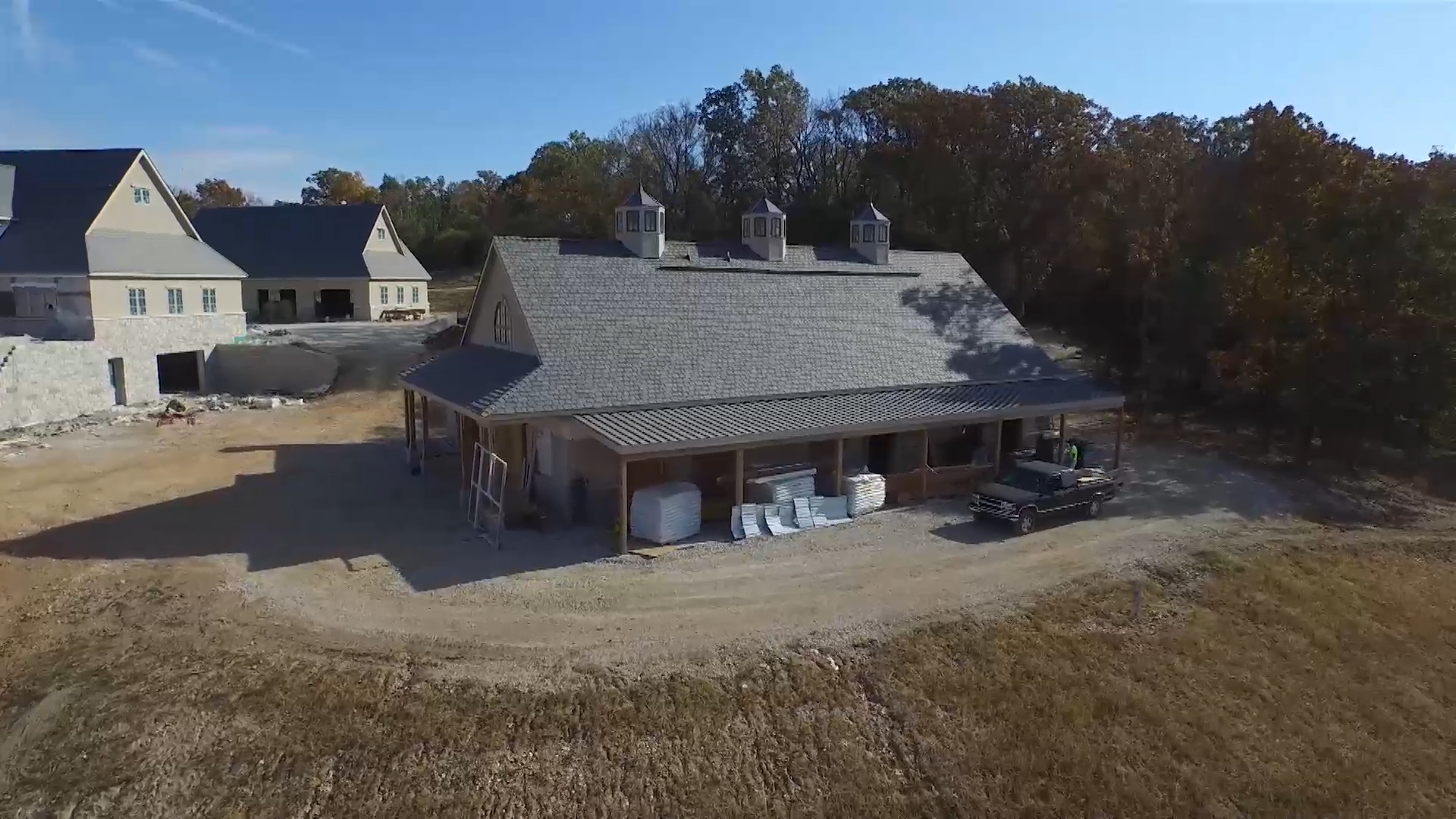
How Drone Videos Can Show Your Construction Progress Clearly

In today’s fast-paced business environment, the ability to showcase project progress in real-time can significantly enhance transparency and communication with stakeholders. For construction companies, using drone technology to capture video footage has emerged as a game-changer, providing a clear, bird’s-eye view of ongoing work. Here’s how drone videos can effectively convey your construction progress.

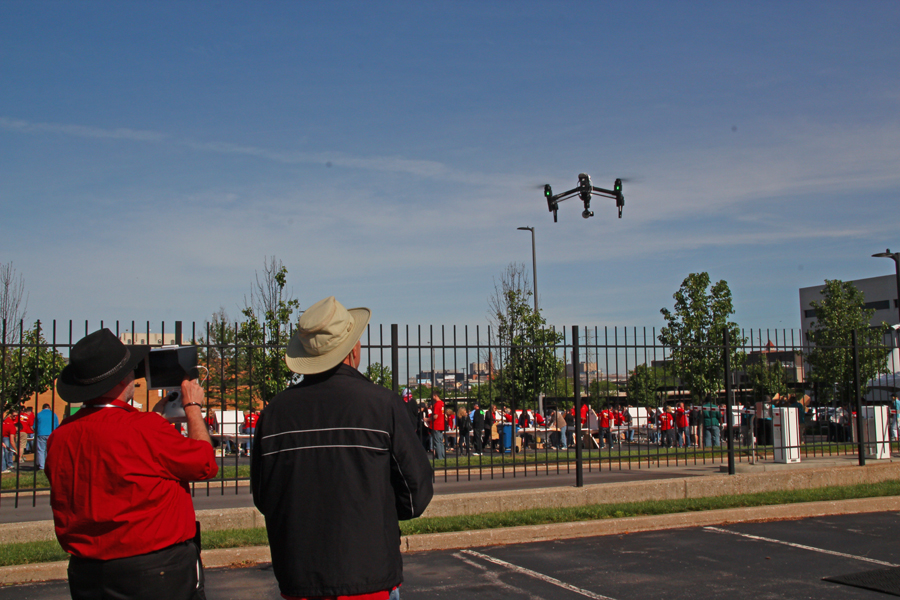
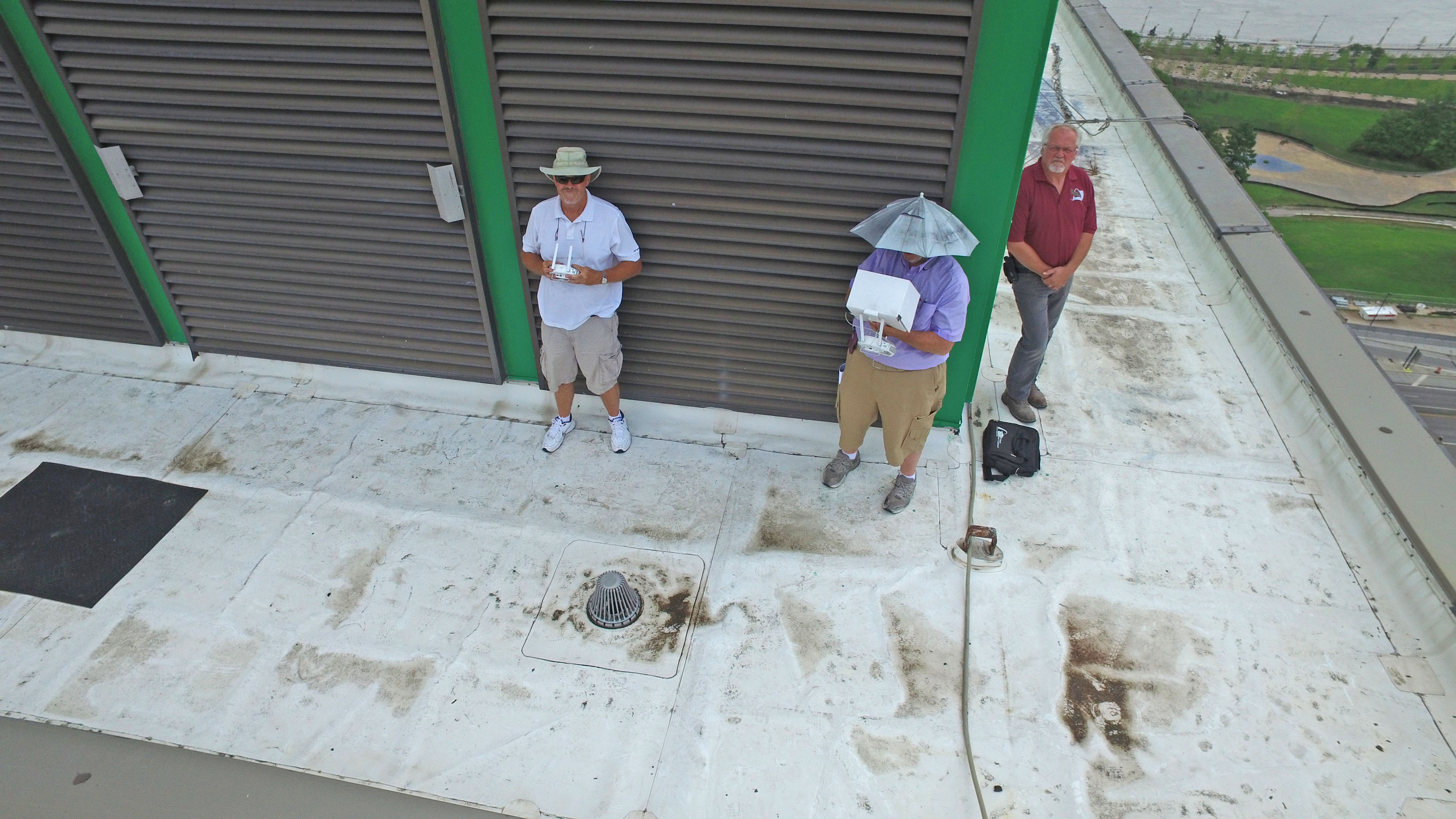
Drones can access areas that may be hazardous or difficult to reach, allowing for safe inspection of rooftops, scaffolding, and other elevated structures.

Enhanced Visual Documentation

Traditional methods of documenting construction progress often involve ground-level photography and static images. While these methods have their place, they can fall short in delivering a comprehensive view of a site. Drone videos offer a dynamic perspective, allowing you to capture wide-angle shots that illustrate the entire site, showcasing everything from foundational work to structural development.

By integrating drone footage into your project reports, you can create a compelling narrative of progress that is easily digestible for stakeholders. This high-quality visual documentation not only enhances your presentations but also serves as a valuable resource for future projects.

Real-Time Monitoring

One of the most significant advantages of utilizing drones for construction progress videos is the capability for real-time monitoring. Drones can fly over construction sites at scheduled intervals, providing up-to-date footage that reflects current conditions. This immediacy allows project managers and decision-makers to assess progress, identify potential delays, and make informed decisions without the need for extensive on-site visits.

Moreover, real-time drone footage can enhance communication with clients, as they can witness the ongoing work and understand project timelines better. This transparency builds trust and strengthens client relationships.

Comprehensive Analysis and Reporting

Drone videos can be used not just for documentation but also for in-depth analysis. By capturing aerial footage over time, you can create time-lapse videos that visually represent the evolution of a project from groundbreaking to completion. This type of reporting is invaluable for stakeholders, as it provides clear evidence of progress and adherence to timelines.

Furthermore, drones equipped with advanced imaging technology can capture detailed images that can be analyzed for various construction parameters, such as material placement, site logistics, and worker safety. This data can be used to optimize operations and improve efficiency on site.

Safety and Accessibility

Drones can access areas that may be hazardous or difficult to reach, allowing for safe inspection of rooftops, scaffolding, and other elevated structures. This capability not only minimizes risks associated with manual inspections but also ensures that you are capturing accurate footage from all necessary angles.

Additionally, drones can be utilized to assess damage after extreme weather events or accidents, providing immediate feedback that can guide recovery efforts. The ability to assess sites safely and quickly is a considerable advantage in maintaining project momentum.

Customizable Production for Diverse Media Requirements

At St Louis Drone Services, we understand that every construction project is unique, and we are committed to providing customized solutions tailored to your specific media requirements. As a full-service professional commercial photography and video production company since 1982, we offer a comprehensive suite of services that includes:

  • Full-Service Studio and Location Video and Photography: Our team can manage everything from initial concept development to final delivery.
  • Editing and Post-Production: Our skilled editors can enhance your footage, ensuring that it meets your branding standards and messaging goals.
  • Licensed Drone Pilots: Our experienced drone operators are fully licensed and trained to capture stunning aerial footage safely and effectively.

Our private studio is equipped with advanced lighting and visual setups, making it perfect for small productions and interviews. We can seamlessly incorporate props and other elements to create a compelling set that resonates with your audience.

Conclusion

Incorporating drone technology into your construction project documentation can elevate your reporting capabilities and enhance stakeholder engagement. St Louis Drone Services stands ready to assist you in achieving your production goals. With our extensive experience working with businesses, marketing firms, and agencies in the St. Louis area, we have the right equipment and creative crew service experience to ensure successful image acquisition. Let us help you repurpose your photography and video branding to gain more traction. We are well-versed in all file types, styles of media, and accompanying software, ensuring that your project reflects the quality and professionalism you demand.

Contact us today to learn more about how we can customize your next production and make it truly exceptional!

314-604-6544

stlouisdroneservices@gmail.com

Quick Fixes for Common Video Production Problems

In the fast-paced world of video production, decision-makers often face a myriad of challenges that can arise unexpectedly. Whether you’re capturing a corporate event, creating a promotional video, or producing a series of training modules, problems can emerge that threaten to derail your project. Understanding these common issues and having strategies to address them can significantly enhance your production process. Here, we explore some prevalent video production problems and their quick fixes.
Scout your location in advance to identify potential distractions. Schedule shoots during quieter times and communicate your filming schedule to avoid foot traffic.

1. Poor Lighting

Problem: Inadequate lighting can lead to poorly exposed footage, which detracts from the overall quality of your video.

Fix: Invest in adjustable lighting equipment. Utilize softboxes, LED panels, or ring lights to provide even illumination. If you’re shooting indoors, consider using diffusers to soften harsh light sources. Natural light can also be your friend; schedule shoots when there’s ample daylight, and position your subjects near windows.

2. Bad Audio Quality

Problem: Poor audio can ruin an otherwise great video. Background noise, echoes, or muffled dialogue can make your content hard to follow.

Fix: Always use external microphones instead of relying on built-in camera audio. Lapel mics are excellent for interviews, while shotgun mics work well for capturing dialogue from a distance. Conduct a sound check before recording, and use sound blankets to minimize echo in smaller spaces.

3. Inconsistent Branding

Problem: Videos that lack a cohesive look and feel can confuse your audience and dilute your brand message.

Fix: Establish clear branding guidelines that include color schemes, fonts, and graphic styles. Use branded intros and outros in your videos. Consistency in your visuals and messaging will reinforce your brand identity across various media platforms.

4. Unplanned B-Roll

Problem: Not capturing enough B-roll footage can lead to a disjointed final product, making it difficult to create a smooth narrative flow.

Fix: Always plan for B-roll during the pre-production phase. Create a shot list that outlines essential B-roll footage, including cutaways of products, team interactions, or relevant environmental shots. Having a well-stocked B-roll library can save time during editing.

5. Equipment Failures

Problem: Technical issues with cameras, drones, or lighting equipment can halt production, especially if you’re not prepared.

Fix: Always conduct a thorough equipment check before filming. Have backup gear on hand, including extra batteries, memory cards, and even a spare camera. Familiarize yourself with your equipment’s specifications to avoid unexpected failures on set.

6. Tight Deadlines

Problem: Rushing to meet a deadline can compromise video quality and lead to oversight in editing and post-production.

Fix: Set realistic timelines during the pre-production phase. Build in buffer time for unexpected delays. Prioritize tasks and delegate effectively to ensure each phase of the production receives the attention it deserves.

7. Distractions During Filming

Problem: On-location shoots can present various distractions, including noise, unplanned interruptions, or unexpected weather changes.

Fix: Scout your location in advance to identify potential distractions. Schedule shoots during quieter times and communicate your filming schedule to avoid foot traffic. For outdoor shoots, have a backup location or an indoor alternative in case of inclement weather.

Conclusion

At St Louis Drone Services, we understand that video production is an intricate process that requires not only creative vision but also technical expertise. Since 1982, our company has specialized in providing comprehensive photography and video production services, equipping you with the right tools and an experienced crew to tackle any production challenge.

As a full-service professional commercial photography and video production company, we offer tailored solutions to meet diverse media requirements. From studio and location video to editing and post-production, we have the capabilities to enhance your project. Our licensed drone pilots can capture stunning aerial footage, while our private studio is perfectly designed for small productions and interviews, complete with customizable lighting and props.

When you choose St Louis Drone Services, you’re not just getting a service provider; you’re partnering with a team that’s committed to elevating your brand through high-quality video production. Let us help you achieve your vision and maximize the impact of your photography and video branding. Contact us today to discuss how we can assist in making your next project a success.

314-604-6544

stlouisdroneservices@gmail.com

Safety Regulations for FPV Drone Pilots

The world of FPV (First Person View) drone piloting has revolutionized the photography and video production industry, offering breathtaking aerial shots and dynamic perspectives previously unimaginable. However, with the increasing popularity of FPV drones, it’s essential to navigate the regulatory landscape to ensure safe and compliant operations, especially in commercial settings.

FPV drone pilots must respect privacy laws and ethical guidelines, especially when capturing video or photography in residential or sensitive areas.

Understanding the Basics of FPV Drone Safety

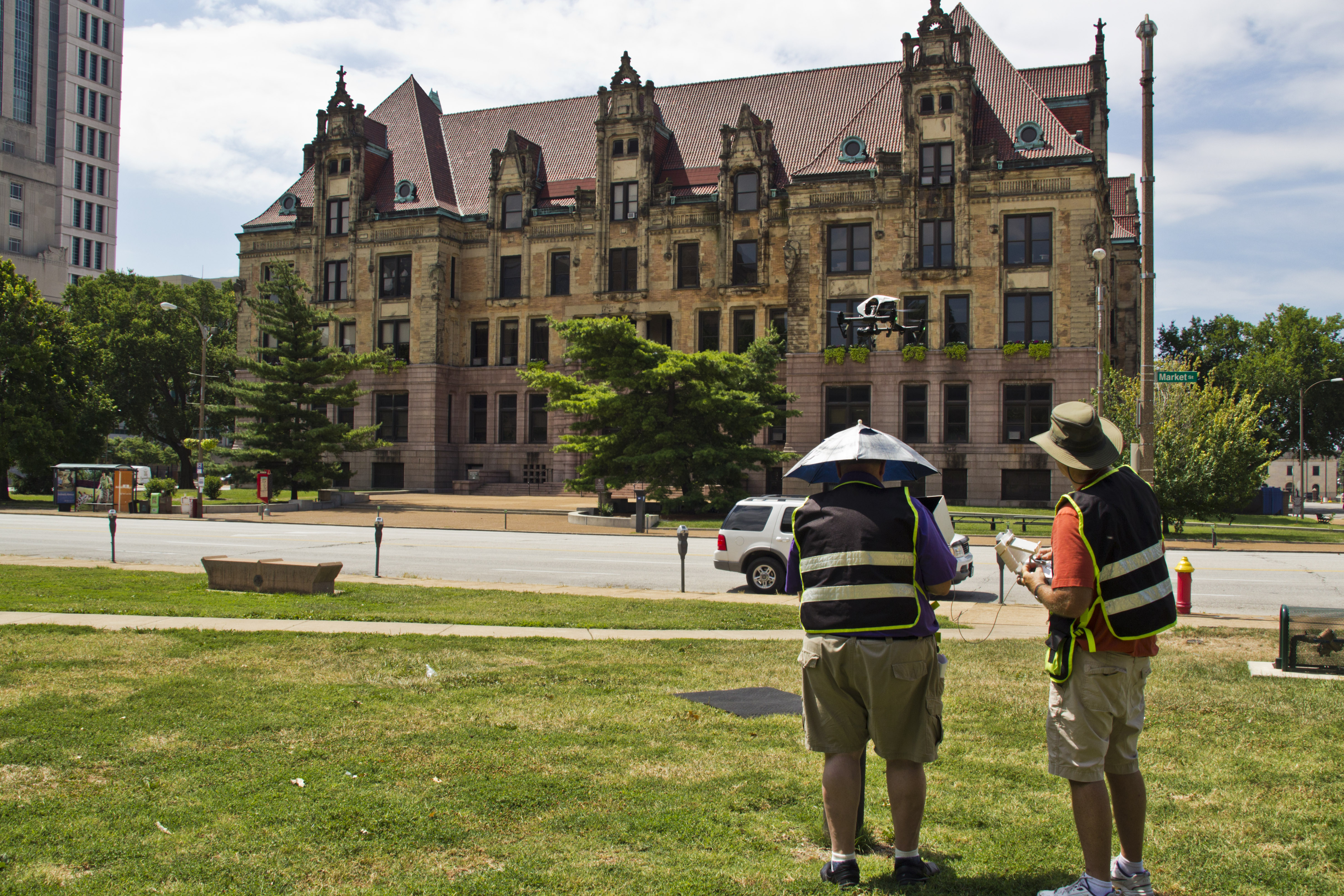
FPV drones provide pilots with a real-time video feed from the drone’s camera, allowing them to fly the drone as if they were in the cockpit. While this offers incredible creative possibilities, it also comes with unique safety challenges. The pilot’s field of view is limited to what the drone’s camera captures, which can make obstacle avoidance and situational awareness more difficult compared to traditional line-of-sight flying.

Key Safety Regulations for FPV Drone Operations

  1. FAA Part 107 Certification
    • In the United States, the Federal Aviation Administration (FAA) mandates that all commercial drone pilots must hold a Part 107 certification. This certification ensures that pilots understand airspace regulations, weather patterns, emergency procedures, and the technical aspects of drone operations.
  2. Visual Line of Sight (VLOS)
    • The FAA requires that a visual observer maintain a line of sight with the drone at all times during FPV operations. This is to ensure that the drone does not collide with obstacles, other aircraft, or people. The visual observer must be in direct communication with the pilot to relay any potential hazards.
  3. Flying in Controlled Airspace
    • FPV drone pilots must be aware of the airspace they are operating in. Controlled airspace near airports requires specific authorization from the FAA, which can be obtained through the Low Altitude Authorization and Notification Capability (LAANC) system. Understanding airspace classifications and respecting no-fly zones are critical to maintaining compliance.
  4. Altitude Limits
    • FPV drones are typically restricted to flying at or below 400 feet above ground level (AGL) to minimize the risk of interference with manned aircraft. This altitude limit is particularly important in urban environments where the presence of buildings, power lines, and other structures can pose additional risks.
  5. Night Operations
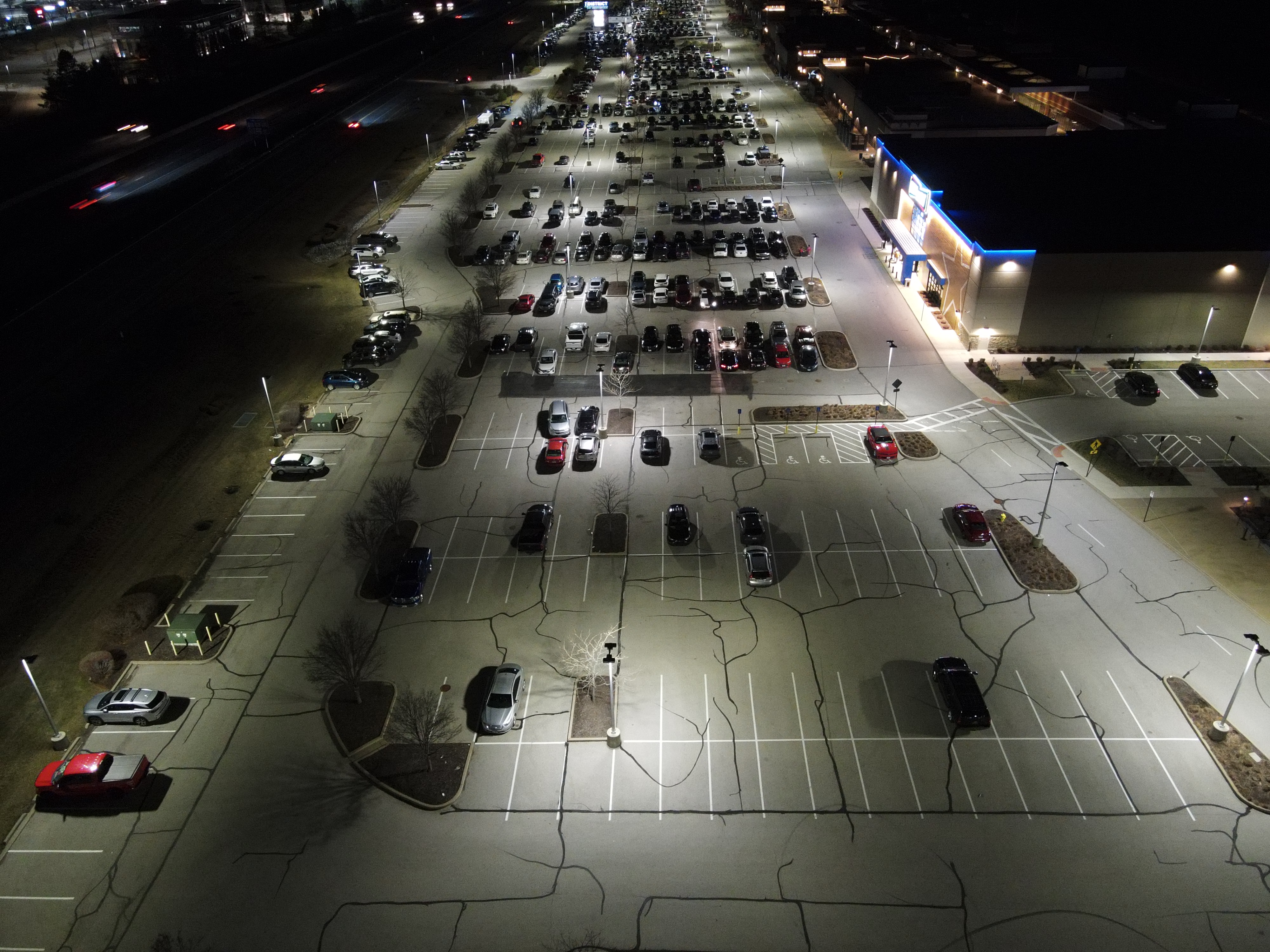
    • Flying FPV drones at night requires special consideration. The FAA allows night operations under Part 107, but the drone must be equipped with anti-collision lights that are visible for at least three statute miles. Pilots should also be aware of the challenges of reduced visibility and the increased difficulty of depth perception when flying at night.
  6. Privacy and Ethical Considerations
    • FPV drone pilots must respect privacy laws and ethical guidelines, especially when capturing video or photography in residential or sensitive areas. Infringing on personal privacy or capturing unauthorized footage can lead to legal consequences and damage a company’s reputation.
  7. Emergency Procedures
    • Pilots must be prepared for potential emergencies, such as loss of signal, low battery, or unexpected weather changes. Establishing a predefined return-to-home (RTH) point and knowing how to initiate it quickly can prevent accidents. Regularly practicing emergency procedures ensures that pilots can respond calmly and effectively in real-world scenarios.

Best Practices for Safe FPV Drone Operations

  • Pre-Flight Checklist: Before every flight, conduct a thorough pre-flight inspection of the drone, checking the battery levels, propellers, and camera equipment. Ensure that the firmware is up-to-date and that the drone’s GPS and compass are calibrated.
  • Flight Planning: Plan your flight path carefully, considering obstacles, weather conditions, and the specific shots you need to capture. Use flight simulation software to practice complex maneuvers in a controlled environment.
  • Communication: Maintain clear communication with your team, including the visual observer and any other crew members. Use radios or other reliable communication tools to ensure that everyone is aware of the flight plan and any changes that may arise.
  • Insurance: Ensure that your FPV drone operations are covered by adequate insurance. This should include liability coverage for third-party damages and coverage for the drone and equipment in case of an accident.

St Louis Drone Services: Your Trusted Partner in Safe and Creative FPV Drone Operations

At St Louis Drone Services, we understand the importance of safety and compliance in drone operations. As a full-service professional commercial photography and video production company, we bring decades of experience, advanced equipment, and a creative crew that is committed to delivering exceptional results.

Our team is fully licensed, including FAA Part 107-certified drone pilots, and we are well-versed in all aspects of drone safety and regulations. Whether you need aerial footage for a corporate video, marketing campaign, or any other media requirement, we can customize our services to meet your specific needs.

We offer a range of services, from full-service studio and location video and photography to editing, post-production, and specialized indoor drone operations. Our private studio is ideal for small productions and interview scenes, equipped with top-notch lighting and visual setups. For larger productions, our studio can accommodate various props to enhance your set.

St Louis Drone Services has been a trusted partner for businesses, marketing firms, and agencies in the St. Louis area since 1982. We have the expertise to repurpose your photography and video branding to gain more traction across diverse media platforms. With our state-of-the-art equipment and comprehensive service offerings, we are ready to make your next video production perfect, from concept to completion.

Let us help you elevate your brand with stunning aerial visuals and expert production services. Contact us today to learn how we can collaborate on your next project and ensure it is both safe and successful.

314-604-6544

stlouisdroneservices@gmail.com

What are the Top 10 FAQs For Hiring a Drone Photographer?

In today’s competitive market, businesses and organizations are constantly seeking innovative ways to stand out. Aerial photography and videography, facilitated by drones, have become a game-changer in creating captivating visual content. As decision-makers, understanding the nuances of hiring a licensed drone photographer is vital for ensuring quality, compliance, and effective visual storytelling. Below, we delve into the top 10 frequently asked questions about hiring a licensed drone photographer, tailored to your specific needs.

A drone photography session begins with a site survey to identify optimal shooting locations and ensure safety.

1. Why is it essential to hire a licensed drone photographer?

Hiring a licensed drone photographer ensures adherence to legal and safety standards. Licensed photographers have passed the FAA’s Part 107 certification, demonstrating their knowledge of airspace regulations, safety protocols, and operational guidelines. This minimizes legal risks and enhances the safety of your project.

2. What should I look for in a drone photographer?

When selecting a drone photographer, consider their FAA Part 107 certification, experience, portfolio, and client reviews. Additionally, assess their familiarity with your industry and their ability to understand and meet your specific project needs. A reputable drone photographer will also have liability insurance, providing an extra layer of protection.

3. What types of drones are used in professional photography and videography?

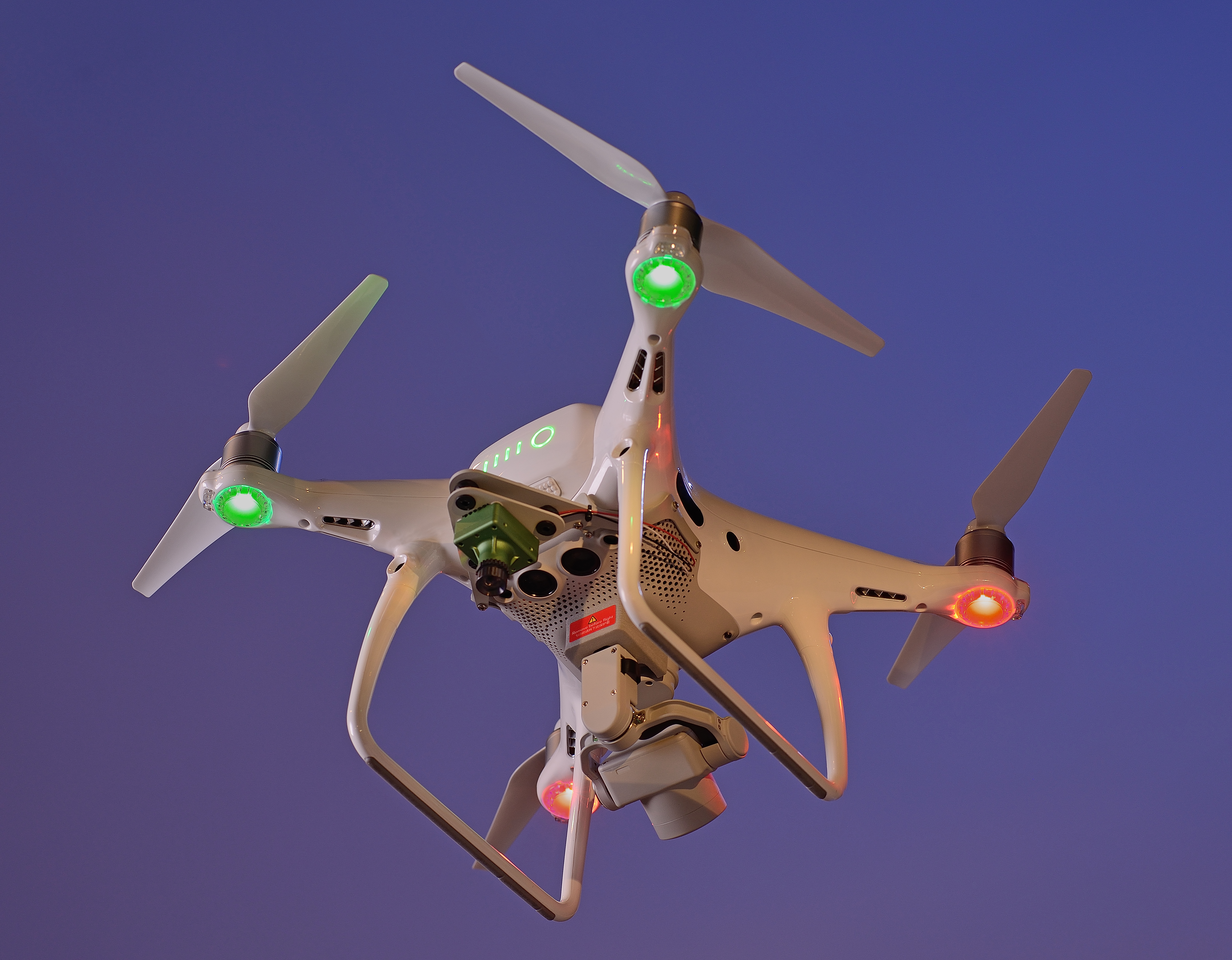
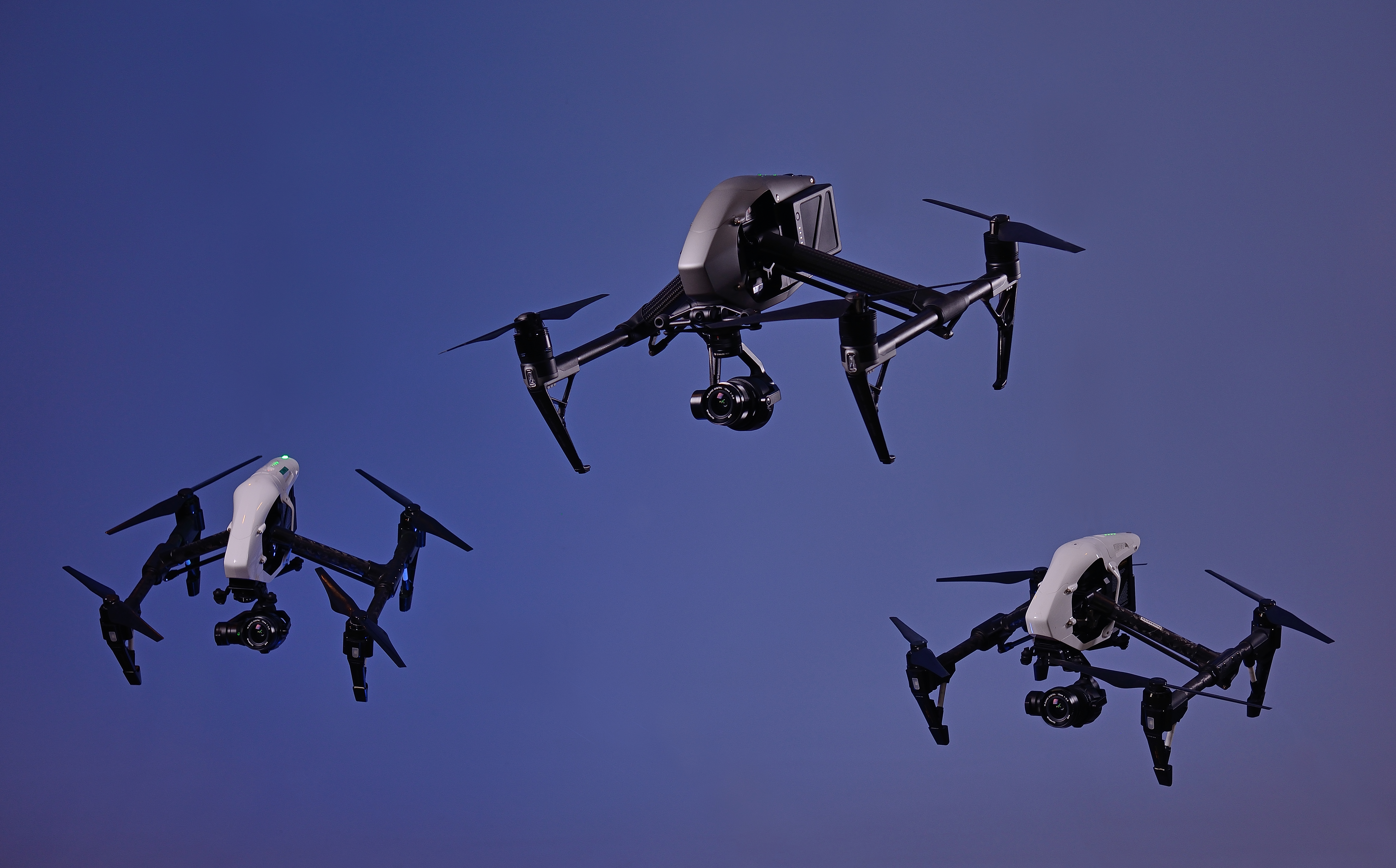
Professional drone photographers typically use high-end drones like the DJI Phantom series, DJI Mavic series, and DJI Inspire series. These drones offer superior imaging capabilities, such as 4K video resolution, high-resolution stills, and advanced stabilization systems. They also feature obstacle avoidance and GPS for precise navigation.

4. How do drone photographers address safety and privacy concerns?

Safety and privacy are paramount in drone operations. Licensed drone photographers conduct thorough pre-flight assessments to identify potential hazards and obtain necessary flight permissions. They adhere to strict privacy guidelines, avoiding unauthorized footage of private properties and complying with all relevant privacy laws.

5. What are the advantages of using drones for commercial projects?

Drones offer unique perspectives and the ability to capture dynamic, wide-angle shots that traditional photography cannot achieve. They are ideal for real estate showcases, construction progress documentation, event coverage, and scenic landscape photography. Drones provide a cost-effective way to achieve high-impact visual content that engages audiences.

6. What is the cost structure for hiring a drone photographer?

The cost of hiring a drone photographer varies based on project complexity, duration, and post-production requirements. On average, prices range from $200 to $500 per hour. Discussing your specific needs and budget with the photographer will help you get a tailored quote that meets your project goals.

7. What post-production services do drone photographers provide?

Professional drone photographers offer a suite of post-production services, including video editing, color grading, sound design, and special effects. They can also enhance still images, create panoramic shots, and develop promotional materials tailored to your brand’s identity. These services ensure your final product is polished and professional.

8. Can drones be used for indoor photography and videography?

Yes, drones can be used indoors, provided the space allows for safe operation. Specialized drones with obstacle avoidance and precise controls are used for indoor shoots, capturing unique angles in venues such as event halls, warehouses, and large indoor spaces. Indoor drone photography requires careful planning and skilled operation.

9. How do drone photographers handle unexpected weather conditions?

Experienced drone photographers monitor weather forecasts and plan shoots during optimal conditions. They are trained to recognize adverse weather signs and have contingency plans in place. If weather conditions deteriorate unexpectedly, photographers may reschedule the shoot or adjust their approach to ensure safety and quality.

10. What can I expect during a drone photography session?

A drone photography session begins with a site survey to identify optimal shooting locations and ensure safety. The photographer will set up equipment, conduct test flights, and capture footage based on your project’s requirements. Professional conduct, adherence to timelines, and delivery of high-quality content are standard expectations.


Why Choose St Louis Drone Services for Your Photography and Video Production Needs?

At St Louis Drone Services, we are committed to delivering exceptional visual content through professional drone photography and videography. Our team of experienced photographers, videographers, and licensed drone pilots is equipped with cutting-edge technology and creative expertise to meet your unique needs.

We provide comprehensive services, including studio and location video and photography, editing, post-production, and customized productions for various media requirements. Our private studio is perfect for small productions and interview scenes, offering ample space for props and tailored setups. We specialize in repurposing your visual content to maximize impact and engagement across different platforms.

Our offerings include:

  • Licensed Drone Operations: Ensuring safety and compliance with all regulations.
  • High-Quality Equipment: Utilizing top-of-the-line drones for superior image and video quality.
  • Customized Productions: Tailoring services to meet specific branding and marketing needs.
  • Studio Services: Providing a fully equipped studio for controlled environment shoots.
  • Post-Production Excellence: Offering advanced editing and post-production services to enhance your visual content.
  • Indoor Drone Flights: Capturing unique indoor perspectives with specialized drones.

Having collaborated with numerous businesses, marketing firms, and agencies in the St. Louis area, St Louis Drone Services has built a reputation for delivering high-quality corporate photography and video services. We are well-versed in all file types and media styles, ensuring compatibility with your existing systems and requirements.

Contact us today to elevate your visual content and experience the professional difference with St Louis Drone Services. Let us help you create compelling visuals that resonate with your audience and drive your business forward.

314-604-6544

stlouisdroneservices@gmail.com

Indoor Drone Expert: Insider Tips and Tricks

Drones have revolutionized the way we capture images and videos from the sky, but what about indoors? While many people associate drones with outdoor aerial photography and videography, there is a growing demand for indoor drone services in various industries. As an experienced editor, photographer, and videographer at St Louis Drone Services, I’ve compiled a comprehensive guide to mastering indoor drone photography and videography.

Adjust your drone’s camera settings to accommodate different lighting scenarios and enhance the quality of your footage.

Understanding Indoor Drone Challenges

Indoor environments pose unique challenges for drone operation. Unlike outdoor spaces, indoor areas lack GPS signal, which drones rely on for navigation and stability. Additionally, confined spaces present obstacles such as walls, ceilings, and furniture, requiring careful maneuvering to avoid collisions.

Tips for Successful Indoor Drone Operation

1. Choose the Right Drone

Selecting the appropriate drone for indoor use is crucial. Opt for a compact and agile model with obstacle avoidance sensors to navigate tight spaces safely. DJI’s Mavic Mini or Mavic Air series are popular choices for indoor drone photography and videography.

2. Practice in Controlled Environments

Before tackling complex indoor shoots, practice flying your drone in controlled environments such as empty warehouses or spacious rooms. Familiarize yourself with the drone’s controls and responsiveness to gain confidence in maneuvering indoors.

3. Plan Your Shots

Careful planning is essential for indoor drone projects. Create a detailed flight plan, taking into account obstacles, lighting conditions, and desired angles. Visualize the shots you want to capture and strategize your flight path accordingly.

4. Utilize Indoor Lighting

Indoor spaces often have varying lighting conditions, from harsh fluorescent lights to natural sunlight streaming through windows. Adjust your drone’s camera settings to accommodate different lighting scenarios and enhance the quality of your footage.

5. Maintain Line of Sight

Maintaining visual line of sight with your drone is critical for safety and control, especially in indoor environments where obstacles are prevalent. Always keep the drone within your line of sight to avoid collisions and navigate effectively.

6. Edit and Enhance Post-Production

Post-production editing plays a significant role in refining indoor drone footage. Utilize editing software to stabilize shaky footage, adjust colors and exposure, and add special effects to enhance the final product.

Elevating Your Indoor Drone Productions with St Louis Drone Services

At St Louis Drone Services, we specialize in indoor drone photography and videography, offering unparalleled expertise and creativity for your projects. Our experienced team of editors, photographers, and videographers is equipped with state-of-the-art equipment and innovative techniques to capture stunning imagery in any indoor environment.

From corporate events and promotional videos to architectural surveys and real estate showcases, we tailor our services to meet your unique needs. With licensed drone pilots and extensive experience in indoor drone operations, St Louis Drone Services delivers exceptional results that exceed expectations.

Call to Action

As a full-service video and photography production company, St Louis Drone Services has partnered with numerous businesses, marketing firms, and agencies in the St. Louis area for their corporate photography and video needs. Contact us today to elevate your indoor drone productions and unlock the potential of aerial imagery for your business.

Remember, mastering indoor drone photography and videography takes practice, patience, and precision. With the right techniques and equipment, you can capture breathtaking footage that showcases the beauty and intricacies of indoor spaces like never before.


At St Louis Drone Services, we are committed to pushing the boundaries of creativity and innovation in aerial photography and videography. Contact us today to discover the endless possibilities of indoor drone imaging for your business or organization.

314-604-6544

stlouisdroneservices@gmail.com